PRIME MINISTERS OF IRAN
Introduction
The office of the Prime Minister in Iran has played a significant role in shaping the country’s modern political history. From the early 20th century until its abolition in 1989, the Prime Minister served as the head of government, managing domestic affairs while the Shah or the President held executive authority. This role often reflected the dynamic political changes and challenges within Iran.
LIST OF PRIME MINISTERS OF IRAN

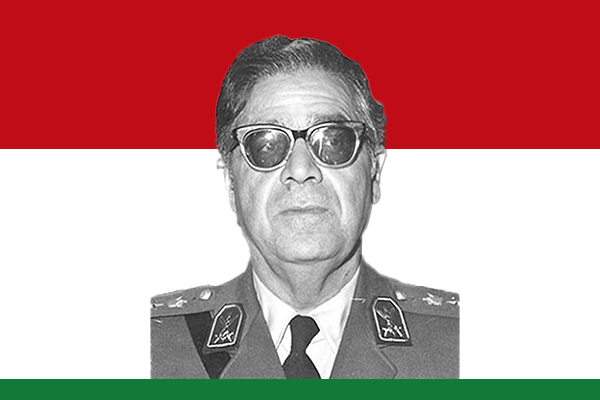

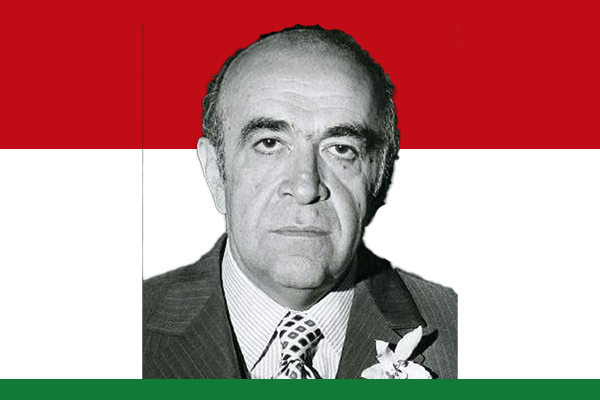

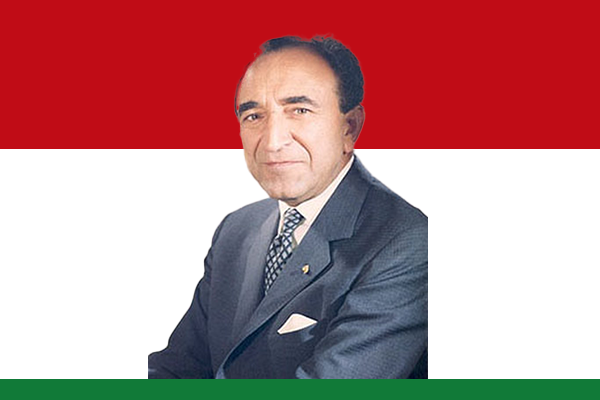


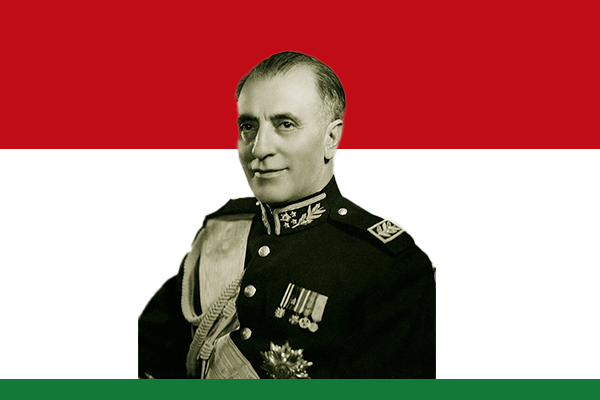

Early Prime Ministers
Iran’s modern prime ministership began during the Qajar dynasty. Mirza Nasrullah Khan, appointed in 1906, became the first official Prime Minister following the establishment of Iran’s constitution. Early prime ministers faced challenges of modernization, political reform, and balancing foreign influence, particularly from Britain and Russia. Their tenure often depended on the Shah’s approval, making political stability fragile.
Prime Ministers During the Pahlavi Era
Under the Pahlavi dynasty, Prime Ministers had varying degrees of influence. Reza Shah Pahlavi often centralized power, limiting the autonomy of his prime ministers. Following his abdication in 1941, Mohammad Reza Shah allowed prime ministers more authority. Notable figures like Mohammad Mossadegh, who nationalized Iran’s oil industry in the early 1950s, exemplified the potential power of the office. Mossadegh’s government faced intense domestic and international pressure, culminating in a coup in 1953, which drastically altered Iran’s political trajectory.
Prime Ministers After the Islamic Revolution
After the 1979 Islamic Revolution, the Prime Minister’s office continued under the new constitution, but the political landscape changed significantly. The Prime Minister acted under the President, coordinating domestic policies and economic planning. Notable post-revolutionary prime ministers included Mir-Hossein Mousavi, who served from 1981 to 1989 and managed the country during the Iran-Iraq War. Mousavi’s tenure highlighted the importance of administrative leadership during crises.
Abolition of the Office
In 1989, a constitutional amendment abolished the office of the Prime Minister, transferring executive powers entirely to the President. This change marked the end of an era in which the position had served as a crucial bridge between legislative bodies, the head of state, and the public. Today, the historical legacy of Iran’s Prime Ministers remains an essential part of the country’s political development, offering insight into governance, reform, and the balance of power.
Conclusion
Iran’s Prime Ministers played pivotal roles during critical moments in the nation’s history, from the constitutional era to post-revolutionary Iran. Although the office no longer exists, the decisions and leadership of these figures continue to influence Iranian politics and society.