PRIME MINISTERS OF AUSTRIA
Prime Ministers of Austria
Austria is a central European country known for its rich history, cultural heritage, and democratic political system. The head of government in Austria is called the Federal Chancellor, a position similar to a prime minister in many other countries. The Chancellor leads the government, manages national policies, and represents the country in political affairs. Since the establishment of the modern Austrian republic after World War I, many leaders have served in this important role and shaped the nation’s political and economic development.
LIST OF PRIME MINISTERS OF AUSTRIA
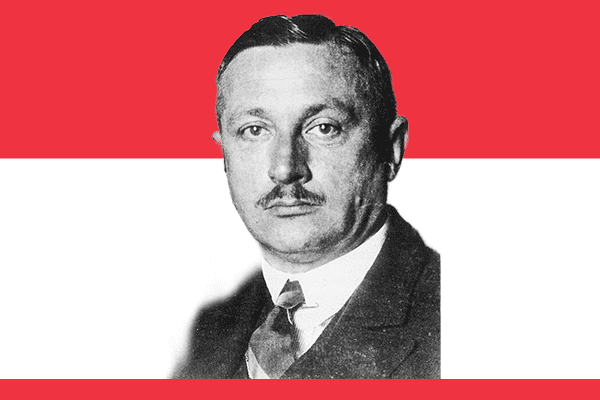
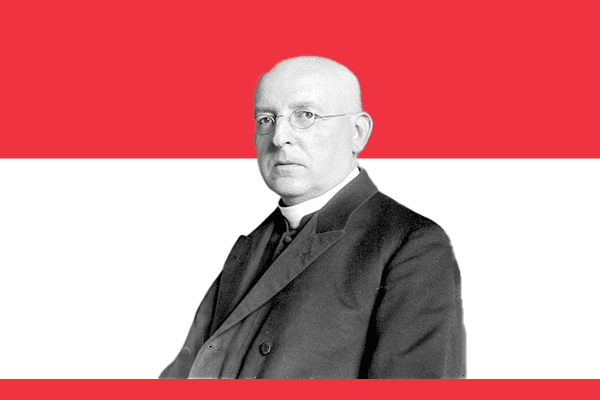
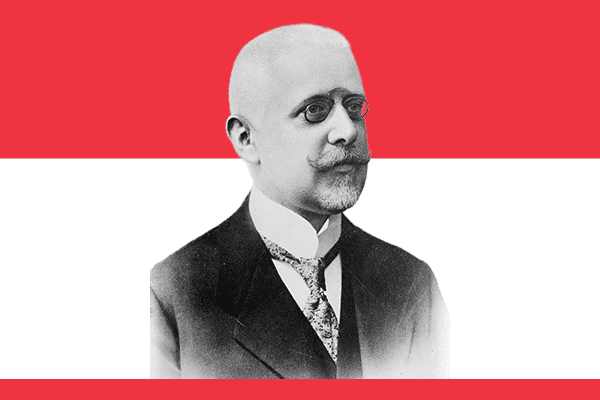
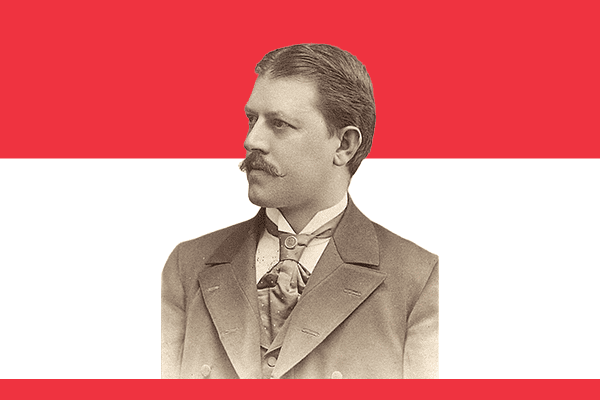
Early Prime Ministers of Austria
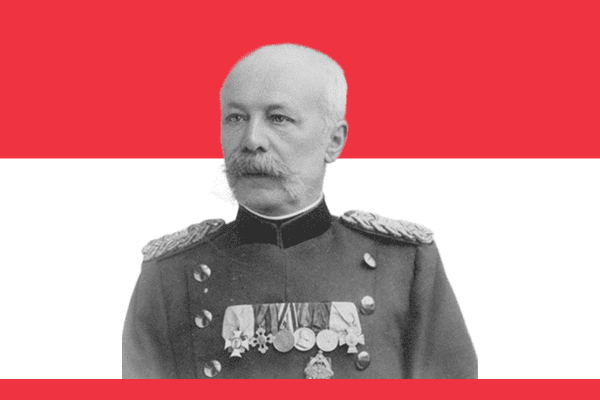
After the collapse of the Austro-Hungarian Empire in 1918, Austria became a republic. Karl Renner became the first Chancellor and played a major role in forming the new democratic government. During the interwar period, Austria faced economic struggles and political instability, leading to frequent changes in leadership.
In the 1930s, leaders such as Engelbert Dollfuss and Kurt Schuschnigg governed during a difficult time marked by authoritarian rule and rising tensions in Europe. Austria later became part of Nazi Germany in 1938, ending its independent government until the end of World War II.
Post–World War II Leadership
After 1945, Austria regained independence and rebuilt its democratic institutions. Leopold Figl became one of the most important postwar leaders. He helped restore the country and supported Austria’s recovery after the war.
Another major figure was Bruno Kreisky, who served for more than a decade. Kreisky introduced social reforms, improved education, and strengthened Austria’s international reputation. His leadership is often considered one of the most influential periods in modern Austrian politics.
Modern Prime Ministers
In recent decades, Austria has continued to experience coalition governments led by different political parties. Wolfgang Schüssel introduced economic reforms and promoted Austria’s role in the European Union.
Sebastian Kurz became one of Europe’s youngest national leaders when he first took office in 2017. His government focused on immigration, economic policy, and modernization, though his political career also faced controversies.
Today, Christian Stocker serves as Austria’s Chancellor. He continues to guide the country through economic, social, and international challenges.
Conclusion
The Prime Ministers, or Federal Chancellors, of Austria have played a vital role in shaping the nation’s history. From rebuilding the country after wars to leading modern reforms, each leader has contributed to Austria’s democratic and economic progress. Their leadership reflects the changing political landscape of Austria and its growing importance in Europe.