PRIME MINISTERS OF BELGIUM
Prime Ministers of Belgium
Belgium’s political leadership has always reflected the country’s linguistic diversity, federal structure, and coalition-based governance. The role of the Prime Minister is central in coordinating government policies, ensuring cooperation among regions, and representing Belgium at the European and global levels. Over the decades, Belgium has witnessed leaders from various parties—liberal, socialist, Christian democratic, and nationalist—who shaped the nation through periods of reform, crisis, and modernization.
LIST OF PRIME MINISTERS OF BELGIUM

Early Foundations of Belgian Leadership
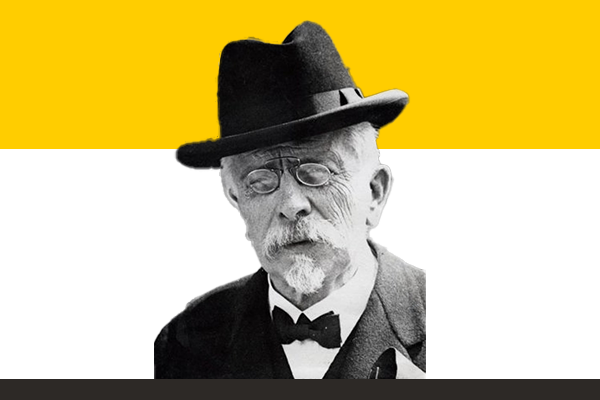
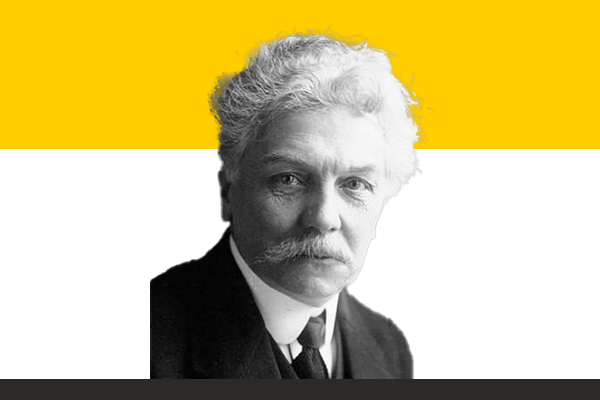
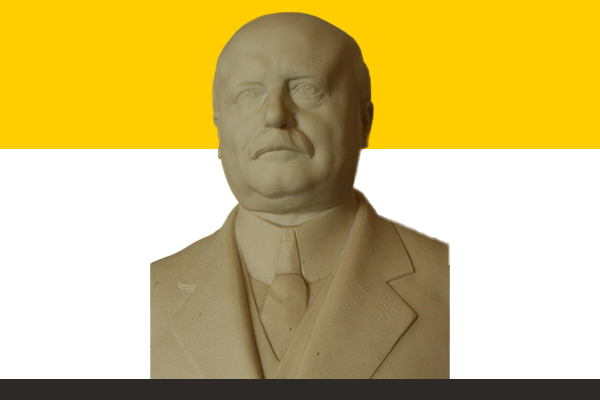
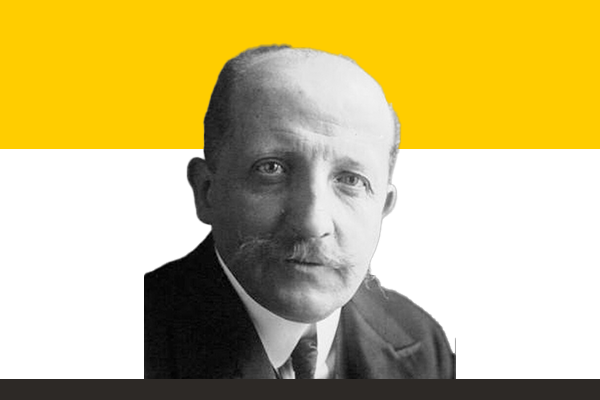
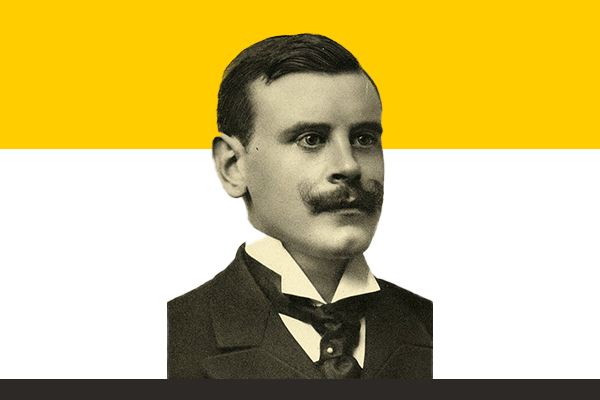
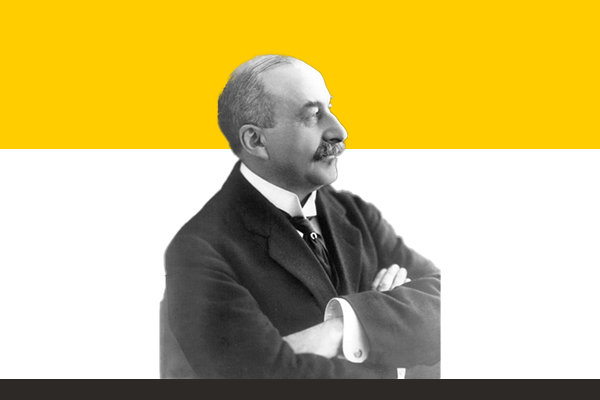
After Belgium gained independence in 1830, the country adopted a constitutional monarchy and a parliamentary system. The early Prime Ministers, such as Étienne de Gerlache and Barthélémy de Theux de Meylandt, helped establish political stability and build administrative foundations. Their governments often balanced the interests of the Catholic and Liberal parties, which dominated early Belgian politics.
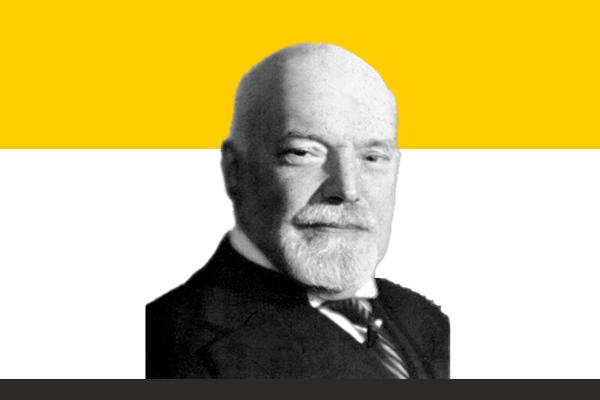
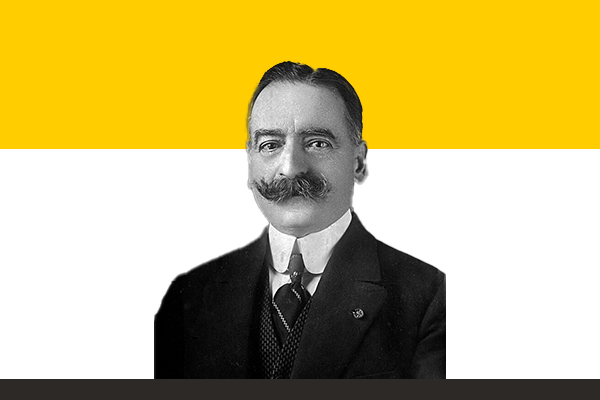
In the late 19th and early 20th centuries, Prime Ministers like Paul de Smet de Naeyer and Charles de Broqueville faced challenges including social unrest, industrial expansion, and World War I. These leaders strengthened national unity and introduced social reforms that responded to Belgium’s changing economic landscape.
Post-War Transformation and Federalization
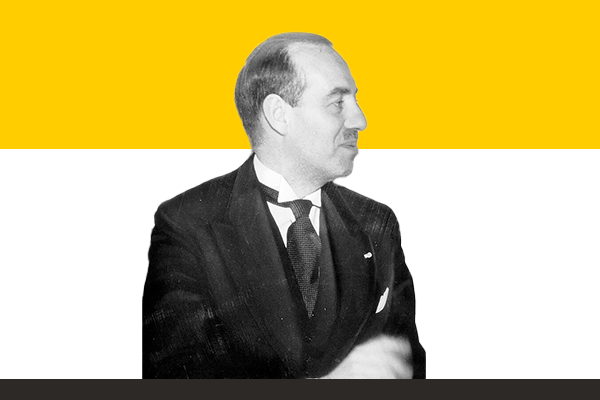
After World War II, Belgium entered a period of reconstruction and modernization. Prime Ministers such as Achille Van Acker and Gaston Eyskens implemented major economic reforms, modern welfare policies, and European cooperation. Eyskens played a crucial role in beginning Belgium’s transformation into a federal state, recognizing linguistic and cultural divisions between Flanders and Wallonia.
The 1970s and 1980s were marked by economic difficulties and linguistic tensions. Leaders like Leo Tindemans and Wilfried Martens stabilized Belgium through multiple state reforms, gradually granting autonomy to the regions and communities. Martens, one of Belgium’s longest-serving Prime Ministers, oversaw crucial constitutional changes that redefined Belgian governance.
Modern Leadership and Contemporary Challenges
In recent decades, Belgium saw increasing political fragmentation, leading to complex coalition governments. Prime Ministers such as Guy Verhofstadt pursued liberal economic policies, European integration, and modernization of public administration. His leadership marked a period of stability and international prominence.
In the 2010s, leaders including Elio Di Rupo, the first francophone Prime Minister in decades, and Charles Michel, who later became President of the European Council, navigated Belgium through economic recovery and migration challenges.
More recently, Alexander De Croo led Belgium through the COVID-19 pandemic, emphasizing unity, scientific decision-making, and economic support measures. His government continued to focus on digital transformation, climate action, and balancing regional interests.
Conclusion
The Prime Ministers of Belgium reflect the nation’s political diversity and commitment to consensus. Their leadership has guided Belgium from its early years of nation-building to a modern federal state active in European and global affairs.