PRESIDENTS OF INDONESIA
Presidents of Indonesia
Since gaining independence in 1945, Indonesia, the world’s largest archipelago, has been led by a succession of presidents who have shaped the nation’s political, economic, and social landscape. Each leader brought distinct priorities and approaches, reflecting the country’s complex challenges and diverse population. From Sukarno’s role in uniting the archipelago to Suharto’s long-term economic focus, and from the democratic reforms of B.J. Habibie and Abdurrahman Wahid to Joko Widodo’s modern development agenda, Indonesia’s presidents have played crucial roles in steering the nation through periods of change and growth.
LIST OF PRESIDENTS OF INDONESIA
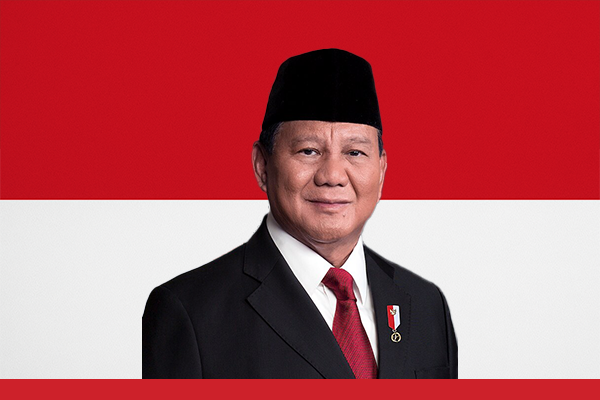
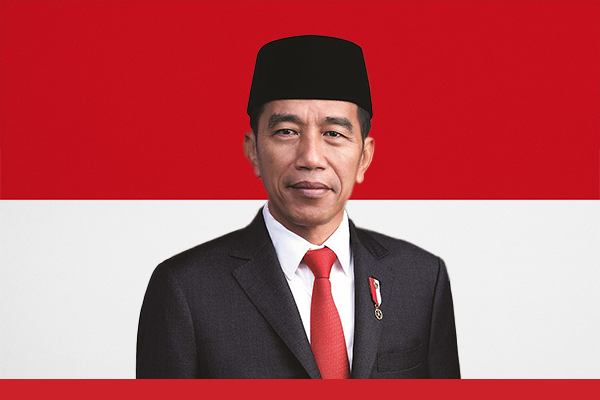
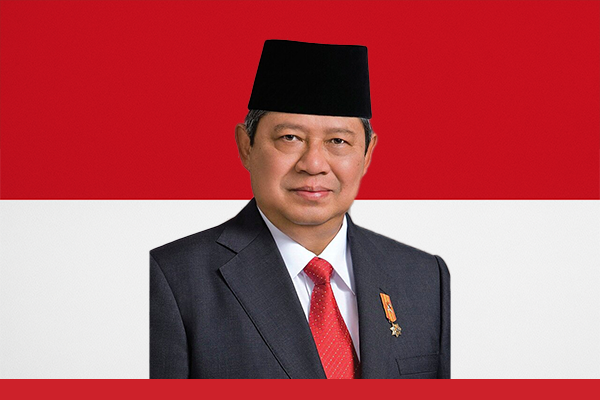
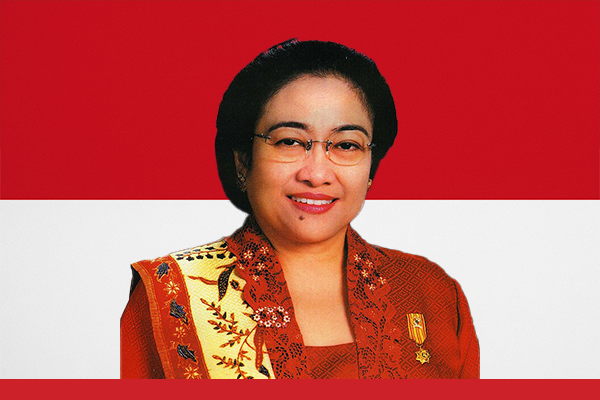
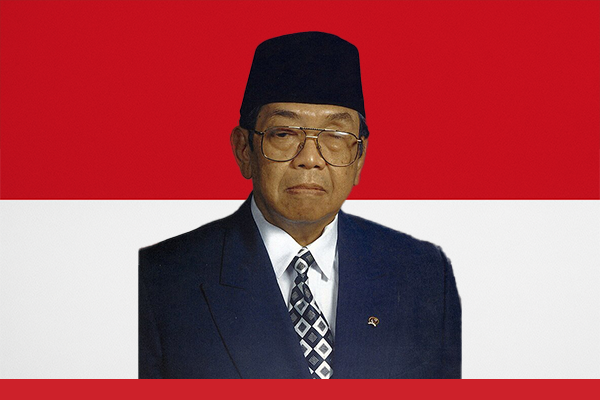
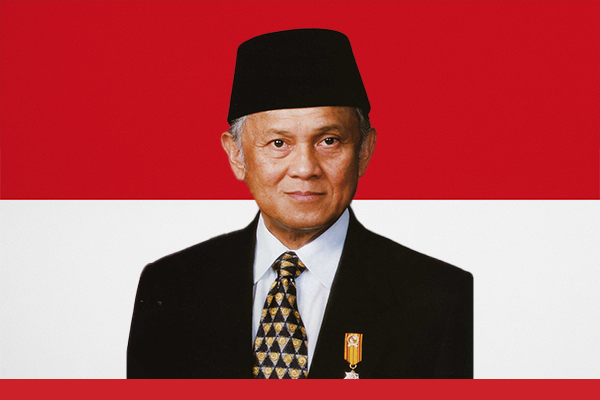

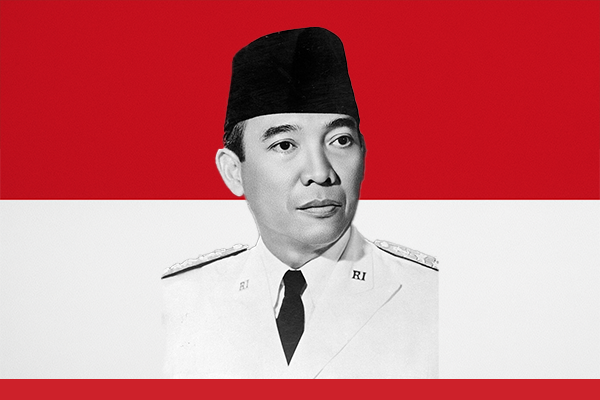
Presidents of Indonesia
Sukarno (1945–1967)
Sukarno became Indonesia’s first president after the country declared independence from Dutch colonial rule in 1945. He was a charismatic leader who played a crucial role in uniting the diverse archipelago under a single national identity. Sukarno implemented the concept of Guided Democracy in the late 1950s to stabilize the nation politically, but his presidency ended amid economic turmoil and political unrest, leading to his removal in 1967.
Suharto (1967–1998)
Following Sukarno, Suharto established the New Order regime, ruling Indonesia for over three decades. He focused on economic development, modernization, and political stability, transforming Indonesia into one of Asia’s emerging economies. However, Suharto’s tenure was marked by authoritarianism, corruption, and human rights violations. The Asian financial crisis of 1997–1998 triggered widespread protests, ultimately forcing him to resign.
B.J. Habibie (1998–1999)
B.J. Habibie assumed the presidency after Suharto’s resignation. A technocrat and engineer, he led Indonesia during a critical transitional period. Habibie introduced political reforms, including liberalizing the press and holding democratic elections. His administration also oversaw the referendum in East Timor, which led to the region’s independence.
Abdurrahman Wahid (1999–2001)
Commonly known as Gus Dur, Abdurrahman Wahid was Indonesia’s fourth president. He promoted democracy, human rights, and religious tolerance. However, his presidency faced challenges due to political instability and resistance from parliament, leading to his impeachment in 2001.
Megawati Sukarnoputri (2001–2004)
Megawati, Sukarno’s daughter, became Indonesia’s first female president. She focused on consolidating democracy, improving economic stability, and maintaining national unity. Despite her efforts, her administration faced criticism for slow economic reforms and limited political impact.
Susilo Bambang Yudhoyono (2004–2014)
Susilo Bambang Yudhoyono, also known as SBY, was Indonesia’s sixth president and the first to be directly elected by the people. He emphasized economic growth, anti-corruption measures, and international diplomacy. Under his leadership, Indonesia experienced significant political stability and economic progress.
Joko Widodo (2014–Present)
Joko Widodo, popularly known as Jokowi, became the seventh president of Indonesia. His leadership focuses on infrastructure development, healthcare, and social welfare. Jokowi’s presidency emphasizes a hands-on approach, promoting modernization while balancing economic growth and social equity.