PRIME MINISTERS OF JAPAN
Prime Ministers of Japan: An Overview
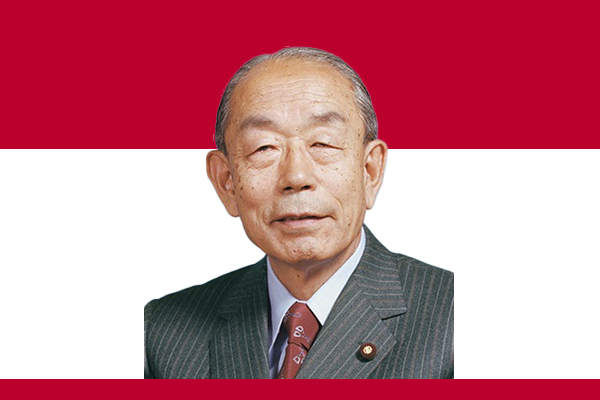
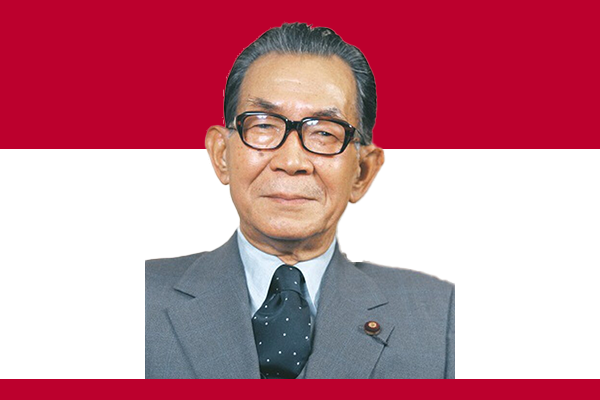
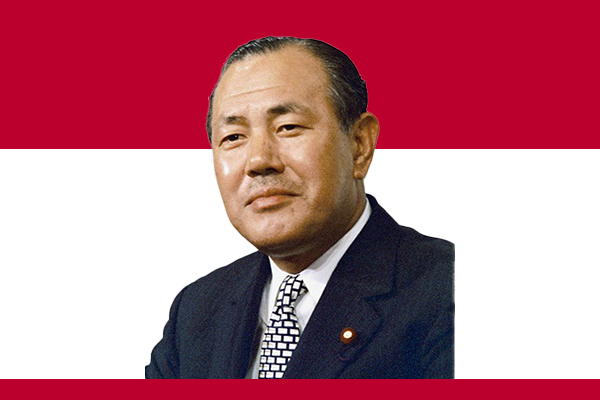
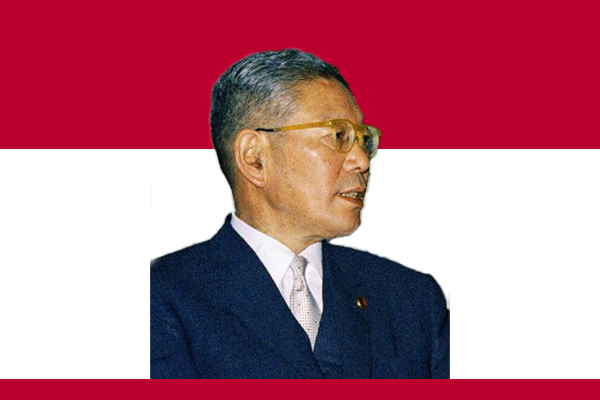
Japan has witnessed a long line of Prime Ministers who played pivotal roles in shaping the nation’s political, economic, and social landscapes. The Prime Minister serves as the head of government, leading the executive branch and representing Japan on the global stage. This position has evolved significantly since the establishment of the modern cabinet system in 1885.
LIST OF PRIME MINISTERS OF JAPAN


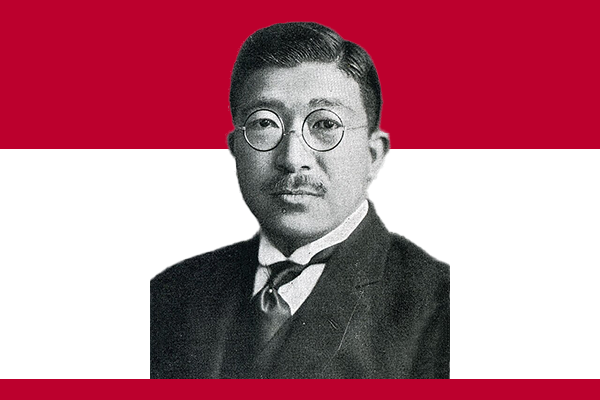
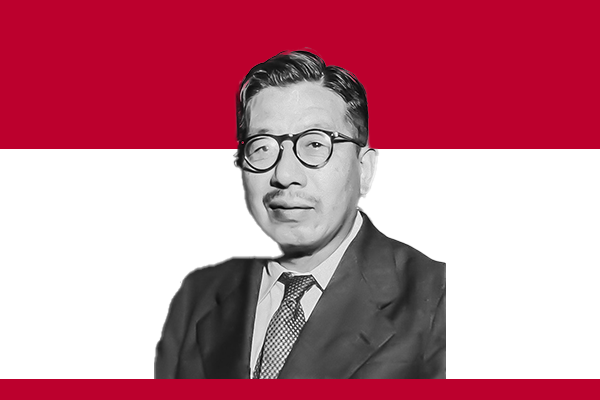
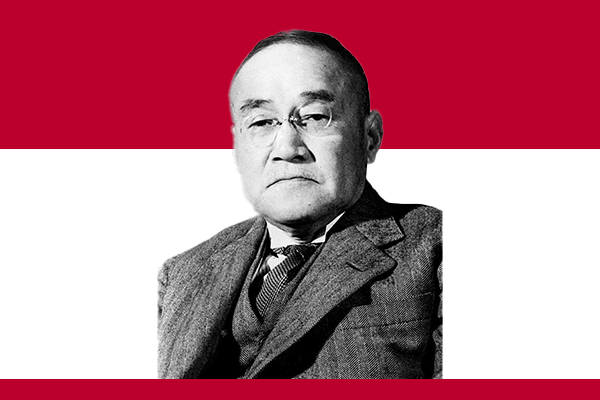
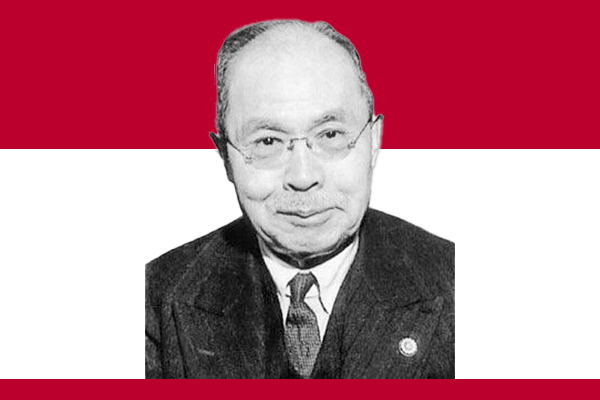
Historical Background
The office of the Prime Minister of Japan was established during the Meiji Era when modern political institutions were introduced. Itō Hirobumi became the first Prime Minister in 1885 and played a vital role in framing the Meiji Constitution. The position initially carried limited power as the emperor held supreme authority, but over time, the role of the Prime Minister strengthened, especially after World War II, with the introduction of the new Constitution in 1947.
Post-War Era and Democratic Reforms
Prime Ministers of Japan After World War II, Japan adopted a parliamentary democracy under the 1947 Constitution. The Prime Minister became the leader of the majority party in the National Diet (Parliament) and was responsible for governing the country. Shigeru Yoshida, serving multiple terms after the war, focused on economic recovery and aligning Japan with Western nations. His policies laid the foundation for Japan’s rapid economic growth in the 1950s and 1960s.
Economic Growth and Leadership
During the 1960s and 1970s, leaders like Hayato Ikeda and Eisaku Satō spearheaded policies that turned Japan into an economic powerhouse. Ikeda’s “Income Doubling Plan” revolutionized the economy, while Satō secured the return of Okinawa from the United States in 1972 and received the Nobel Peace Prize for promoting nuclear disarmament.
Political Stability and Change
The Liberal Democratic Party (LDP) dominated Japanese politics for decades, producing most of the Prime Ministers. However, the 1990s brought political turbulence, with frequent changes in leadership due to economic stagnation and political reforms. Leaders like Ryutaro Hashimoto and Junichiro Koizumi pushed for administrative and economic reforms to revitalize Japan’s economy and modernize its political system.
Contemporary Leaders
In recent decades, Prime Ministers such as Shinzo Abe have left a lasting impact on Japan’s domestic and foreign policies. Abe, Japan’s longest-serving Prime Minister, introduced “Abenomics” to revive the economy and strengthened Japan’s defense policies. After his tenure, leaders like Yoshihide Suga and Fumio Kishida have continued to address challenges such as economic reforms, technological advancement, and international diplomacy.
Conclusion
The Prime Ministers of Japan have played a critical role in shaping the nation’s modern identity. From post-war recovery to technological innovation and economic growth, their leadership reflects Japan’s journey through political stability, reform, and global engagement. As Japan faces new global challenges, the role of the Prime Minister remains central to its future trajectory.