PRIME MINISTERS OF LEBANON
Prime Ministers of Lebanon
The Prime Minister of Lebanon is the head of government and one of the most important political leaders in the country. Lebanon follows a unique political system based on a confessional (religious) power-sharing arrangement. According to the National Pact of 1943 and later the Taif Agreement of 1989, the Prime Minister must always be a Sunni Muslim, the President a Maronite Christian, and the Speaker of Parliament a Shia Muslim. This system aims to maintain balance among Lebanon’s diverse religious communities.
LIST OF PRIME MINISTERS OF LEBANON
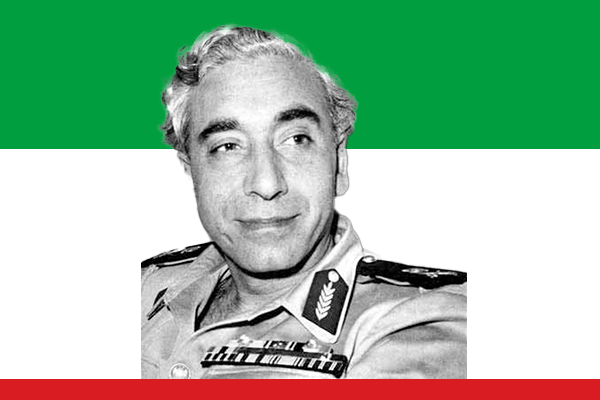
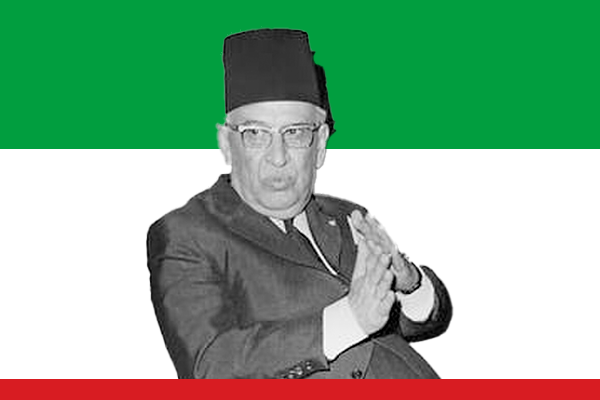
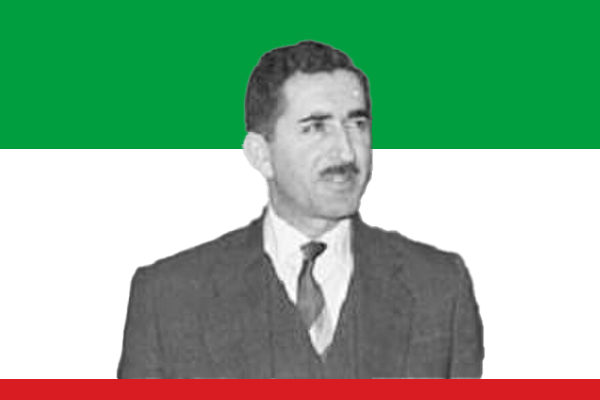
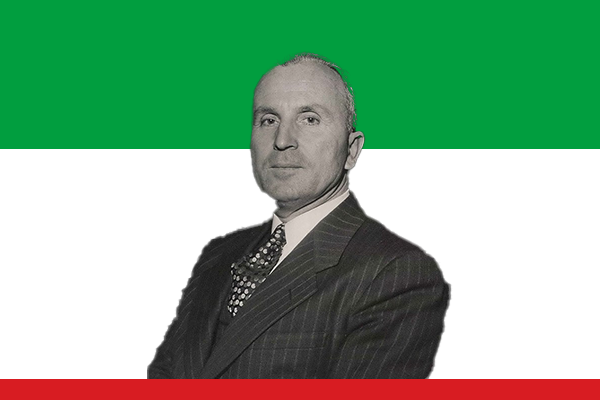
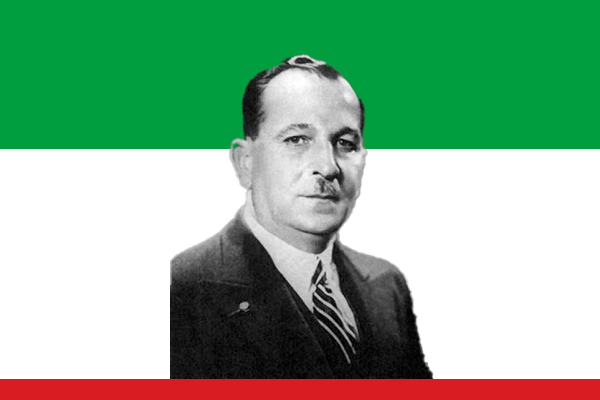
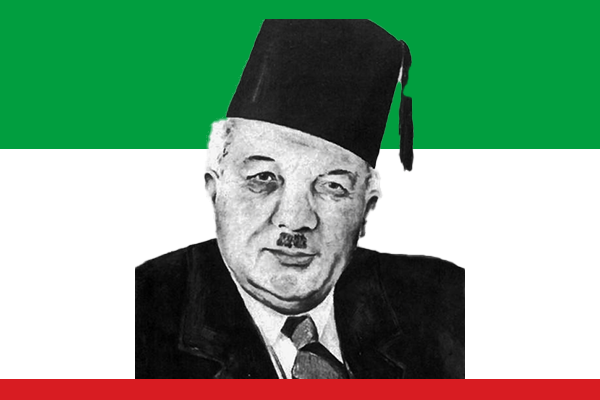
Early Prime Ministers
Lebanon gained independence from France in 1943. The first Prime Minister after independence was Riad Al Solh. He played a major role in negotiating independence and shaping the new Lebanese state. His leadership laid the foundation for parliamentary democracy in the country.
Throughout the 1950s and 1960s, several leaders served as Prime Minister, guiding Lebanon during times of economic growth and regional tension. Among them was Saeb Salam, who served multiple terms and promoted national unity with his famous slogan, “No victor, no vanquished.”
Civil War and Reconstruction Era
Lebanon faced a devastating civil war from 1975 to 1990. During this period, the authority of the Prime Minister was often weakened due to internal conflict and foreign involvement. After the war ended with the Taif Agreement, the powers of the Prime Minister were strengthened, shifting more executive authority from the President to the Council of Ministers.
One of the most influential post-war Prime Ministers was Rafic Hariri. Serving several terms in the 1990s and early 2000s, Hariri focused on rebuilding Beirut and revitalizing the Lebanese economy. His assassination in 2005 shocked the nation and led to major political changes.
Modern Leadership
After Rafic Hariri, his son Saad Hariri also served as Prime Minister in different periods. His tenure was marked by political instability, economic challenges, and regional tensions, especially related to the conflict in neighboring Syria.
In recent years, Lebanon has faced severe economic and political crises. Leaders such as Hassan Diab and Najib Mikati attempted to address financial collapse, currency devaluation, and the aftermath of the 2020 Beirut port explosion. However, reforms have been difficult due to political divisions.
Role and Importance
The Prime Minister heads the Council of Ministers, forms the government, and oversees the implementation of laws and policies. Although Lebanon’s political system is complex, the Prime Minister plays a key role in maintaining stability, managing economic policy, and representing Lebanon internationally.