PRIME MINISTERS OF MONGOLIA
Prime Ministers of Mongolia
The Prime Minister of Mongolia is the head of government and the most powerful executive official in the country. This position is responsible for running the government, implementing laws, managing the economy, and directing domestic and foreign policies. While the President is the head of state, the Prime Minister holds the main executive authority.
LIST OF PRIME MINISTERS OF MONGOLIA
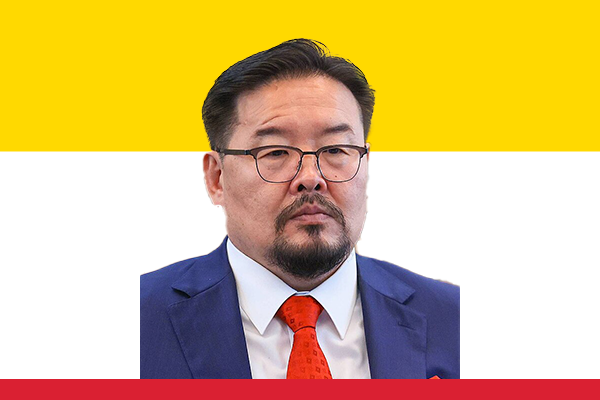
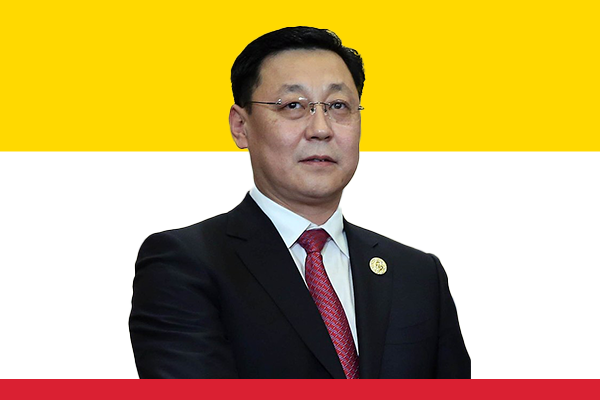
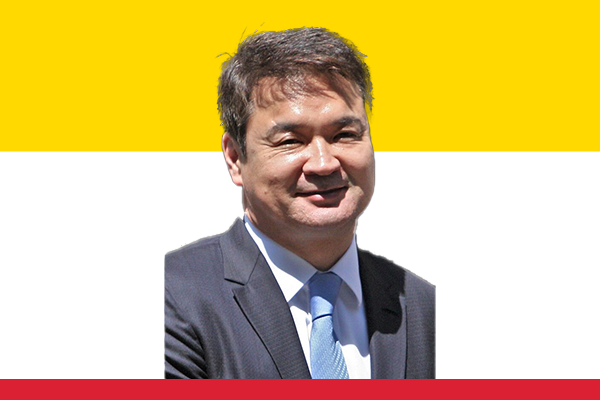
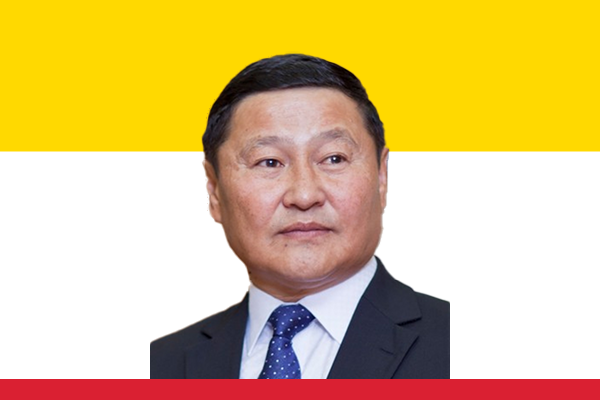
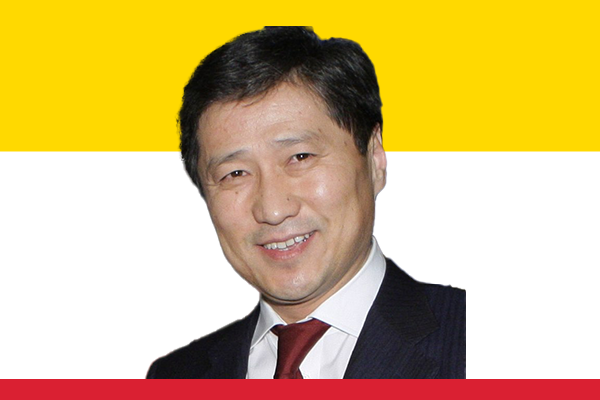
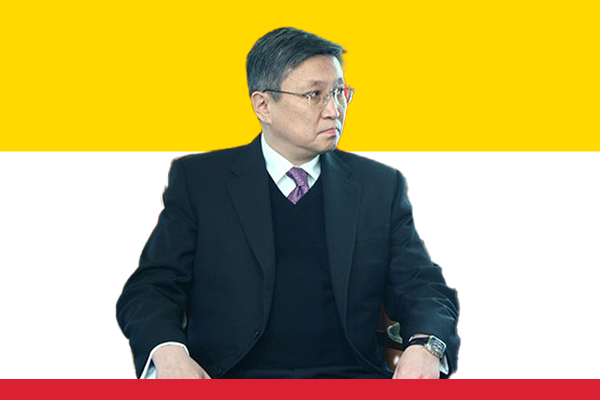
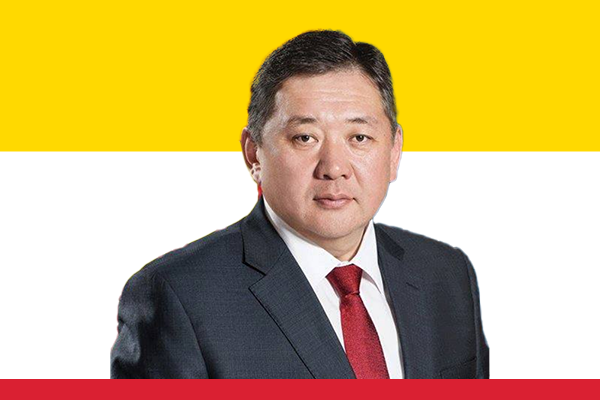
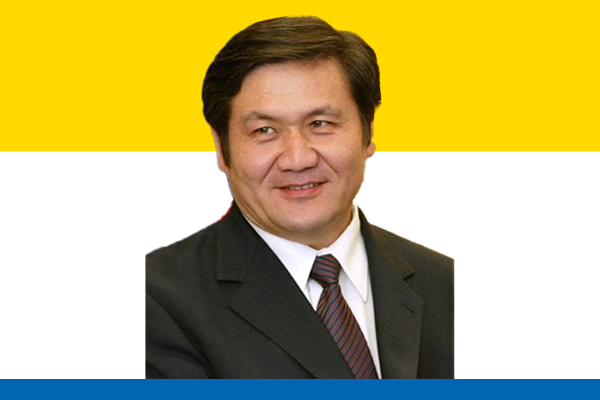

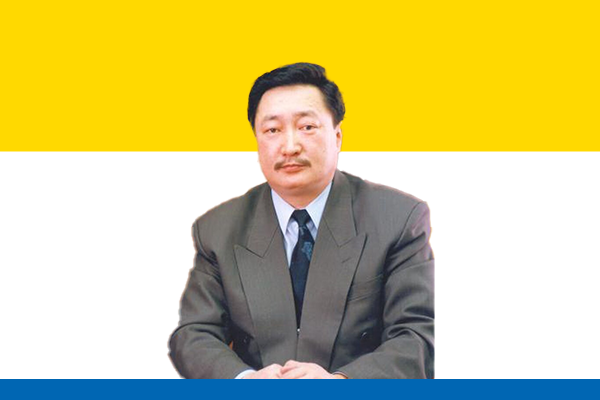
Early Prime Ministers (1912–1924)
The position of Prime Minister was first created in 1912, when Mongolia declared independence from the Qing Dynasty. The first Prime Minister was Tögs-Ochiryn Namnansüren, who served from 1912 to 1919. He played an important role in establishing Mongolia’s autonomy and building its early government institutions.
After several political changes and foreign influence, Mongolia became a socialist state in 1924. During this period, Prime Ministers worked under a communist system and followed policies influenced by the Soviet Union.
One important early leader was Khorloogiin Choibalsan, who served as Prime Minister and became one of the most powerful figures in Mongolia’s history. He introduced socialist reforms and strengthened Mongolia’s political system.
Prime Ministers During the Socialist Era (1924–1990)
During the socialist period, Mongolia had several Prime Ministers who focused on industrial development, education, and strengthening ties with the Soviet Union. Leaders such as Yumjaagiin Tsedenbal played a key role. Tsedenbal served for many years and helped modernize the country, improve infrastructure, and expand education.
However, the government had limited political freedom because Mongolia was a one-party socialist state.
Prime Ministers in Democratic Mongolia (1990–Present)
In 1990, Mongolia peacefully transitioned to democracy. Since then, the Prime Minister has been chosen through democratic elections, and political parties compete for power.
One important democratic leader was Tsakhiagiin Elbegdorj, who served as Prime Minister before later becoming President. He supported democracy, free markets, and political reforms.
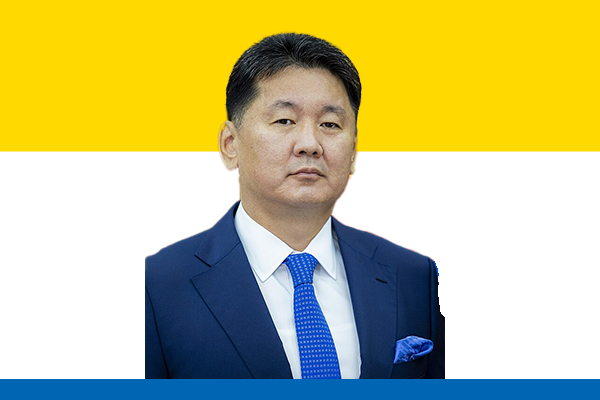
Another key Prime Minister was Ukhnaagiin Khurelsukh, who focused on fighting corruption and improving national stability. He later became President of Mongolia.
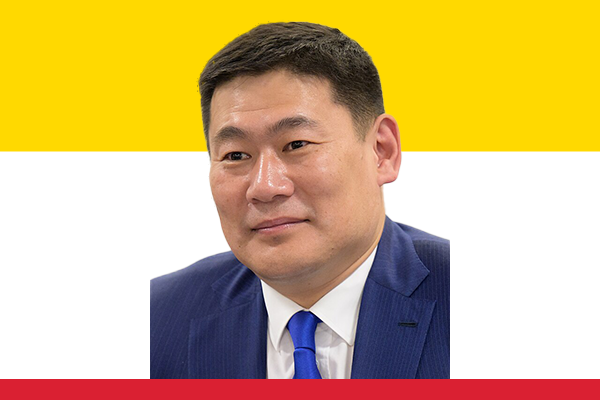
The current Prime Minister is Luvsannamsrain Oyun-Erdene. He has worked on economic development, digital transformation, and improving public services.
Role and Importance
The Prime Minister leads the cabinet, makes important national decisions, and represents Mongolia internationally. This position is essential for maintaining political stability and economic growth.
Conclusion
The Prime Ministers of Mongolia have played a vital role in shaping the country’s history. From early independence leaders to modern democratic officials, they have guided Mongolia through socialism, democracy, and economic development. Today, the Prime Minister continues to lead Mongolia toward progress and modernization.