KINGS OF NEPAL
The Monarchy of Nepal
Nepal’s monarchy was one of the oldest in the world, with a history rooted in legend, religion, and political power. For more than 240 years, the kings of Nepal played a central role in shaping the country’s destiny. From its foundation by King Prithvi Narayan Shah in the 18th century to its eventual abolition in 2008, the Nepalese monarchy experienced periods of glory, turmoil, reform, and ultimately, collapse. The story of the monarchy is deeply intertwined with the evolution of the modern Nepali state.
LIST OF KINGS OF NEPAL


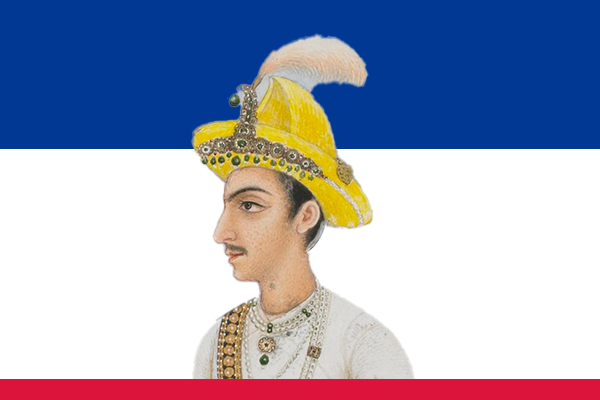
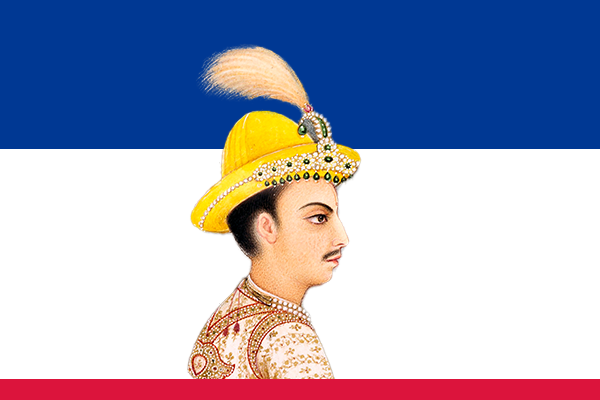
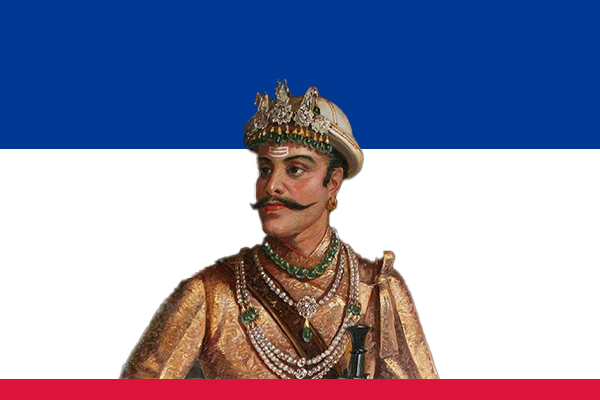
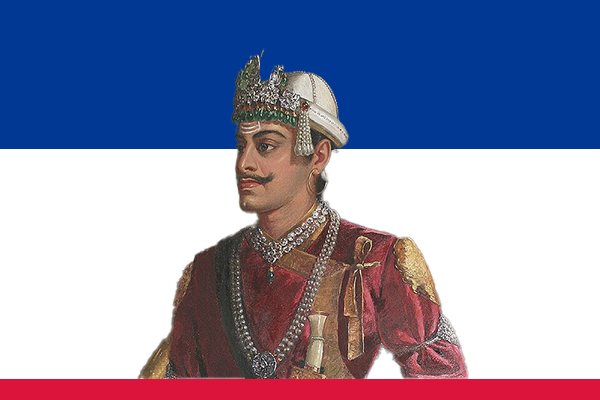
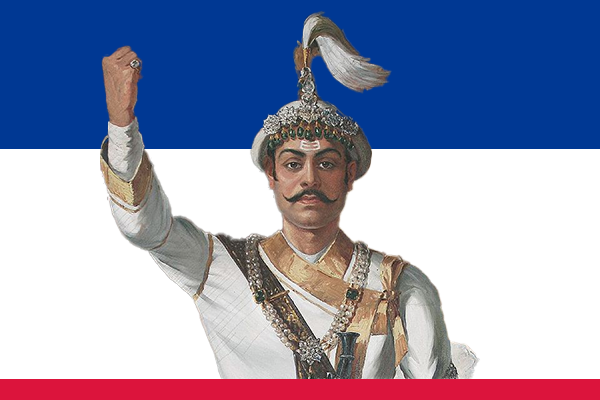
The Shah Dynasty and Unification of Nepal
The monarchy in Nepal officially began with King Prithvi Narayan Shah, who founded the Shah dynasty and unified the many small kingdoms and principalities into a single nation. Born in 1723, Prithvi Narayan Shah came from the small kingdom of Gorkha. Through military conquest and diplomacy, he expanded his territory and captured the Kathmandu Valley by 1769. He shifted the capital to Kathmandu and laid the foundation for a unified Nepal. His vision of “Nepal as a yam between two boulders” (India and China) demonstrated his geopolitical awareness and continues to resonate in Nepalese political discourse.
Rana Rule and the Puppet Kings (1846–1951)
Although the Shah kings continued to hold the throne, their power was severely restricted after the Kot Massacre of 1846, which brought the Rana dynasty to power. The Ranas established a hereditary prime ministership and ruled Nepal with absolute authority for over a century. During this time, the kings remained ceremonial figureheads while the Ranas controlled all state affairs. This period was marked by isolationism, lack of development, and suppression of education and civil liberties.
Restoration of Monarchy and King Tribhuvan
The monarchy regained real power in 1951, when King Tribhuvan allied with pro-democracy forces and led a movement to overthrow the Ranas. With support from India and Nepali political activists, he returned from exile and re-established the Shah king’s authority. This marked the beginning of Nepal’s transition toward democracy. However, political instability continued, leading his son, King Mahendra, to take drastic action.
King Mahendra and the Panchayat System
In 1960, King Mahendra dismissed the elected government and introduced the Panchayat system, a party-less political system under monarchical rule. He centralized power and ruled as an absolute monarch, arguing that democracy had failed to deliver stability. Although criticized for authoritarianism, Mahendra also launched development projects and tried to modernize the country.
King Birendra and the Transition to Democracy
King Mahendra’s son, King Birendra, succeeded him in 1972. Known for his mild and thoughtful nature, Birendra ruled during a period of increasing public demand for democracy. In 1990, after mass protests known as the People’s Movement, Birendra accepted a new constitution that limited his powers and made Nepal a constitutional monarchy with multi-party democracy. His willingness to compromise earned him widespread respect.
The Royal Palace Massacre and Decline of Monarchy
In 2001, Nepal suffered a national tragedy when Crown Prince Dipendra allegedly killed King Birendra, Queen Aishwarya, and other royal family members in what became known as the Royal Palace Massacre. The event shocked the nation and created a crisis of trust in the monarchy. Dipendra, though in a coma, was declared king and died three days later. His uncle, King Gyanendra, then took the throne.
King Gyanendra and the Fall of the Monarchy
King Gyanendra’s reign proved highly controversial. In 2005, he dismissed the government and assumed direct control, citing the Maoist insurgency and political instability. His authoritarian move triggered widespread protests and angered both political parties and the public. In 2006, after a second mass movement known as People’s Movement II, Gyanendra was forced to restore democracy. The public and political leaders lost faith in the monarchy, and by 2008, the Constituent Assembly officially abolished the monarchy, declaring Nepal a federal democratic republic.
Legacy of the Nepalese Monarchy
The history of the monarchy in Nepal is complex and layered. For over two centuries, kings led the country through unification, survival, and modernization. Some, like Prithvi Narayan Shah and King Birendra, are remembered with admiration. Others, like Gyanendra, faced widespread criticism. The monarchy influenced religion, culture, politics, and national identity. Its end marked the beginning of a new democratic chapter, but the legacy of the kings—both positive and negative—continues to shape Nepal’s political imagination today.