PRIME MINISTERS OF ROMANIA
Prime Ministers of Romania
The position of Prime Minister in Romania is one of the most important roles in the country’s political system. As the head of government, the Prime Minister is responsible for implementing laws, managing public administration, and coordinating national policies. The role has evolved significantly over time, especially through periods of monarchy, communism, and the modern democratic era that began after the Romanian Revolution.
LIST OF PRIME MINISTERS OF ROMANIA
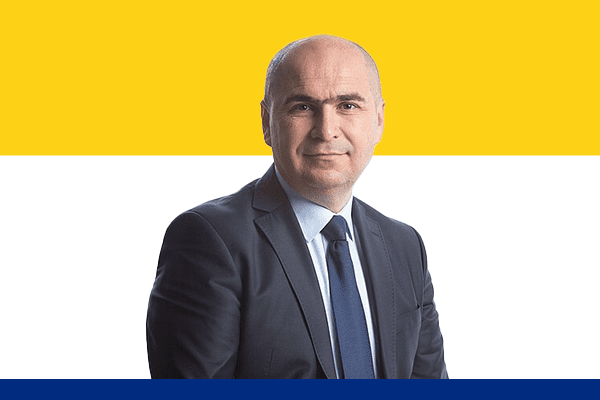
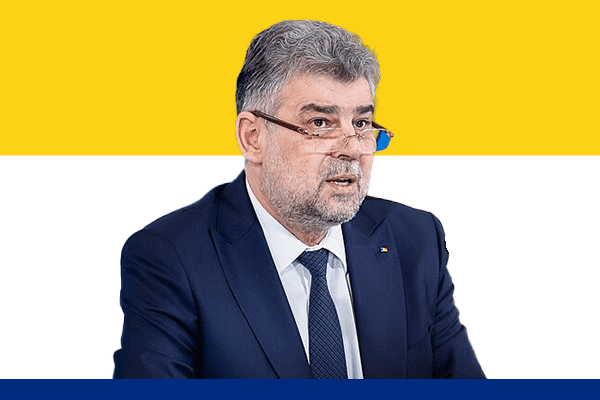
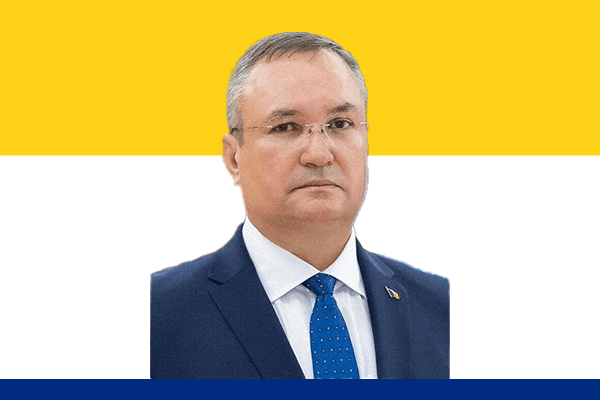
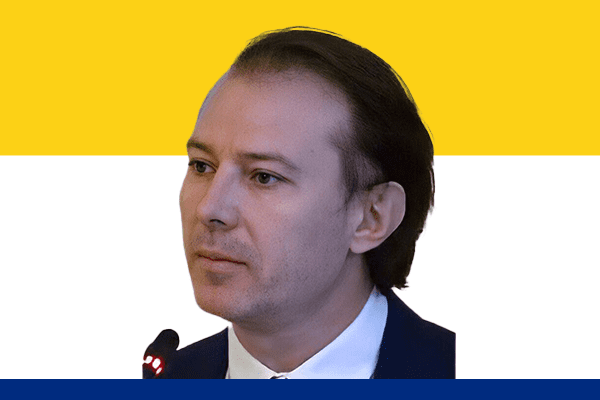
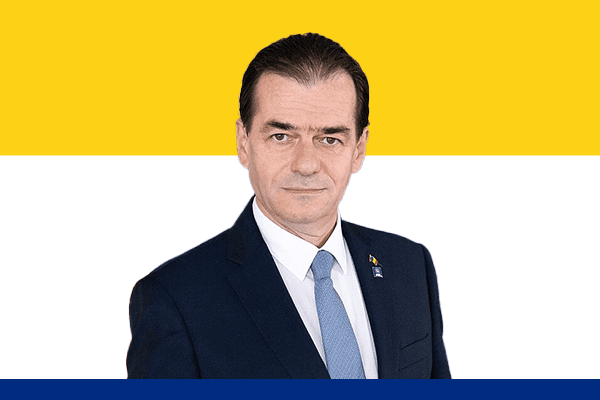
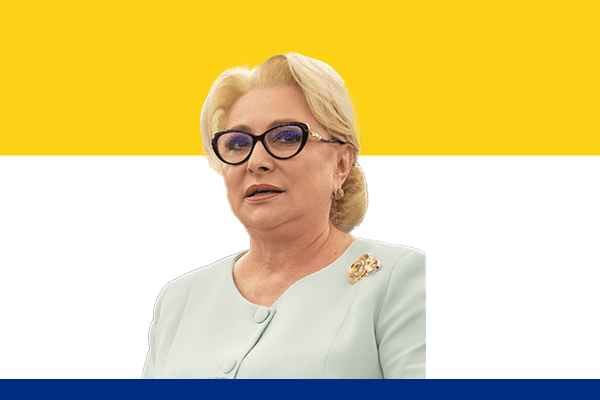
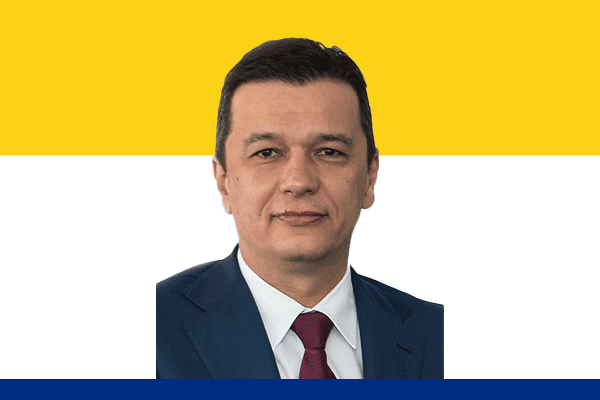
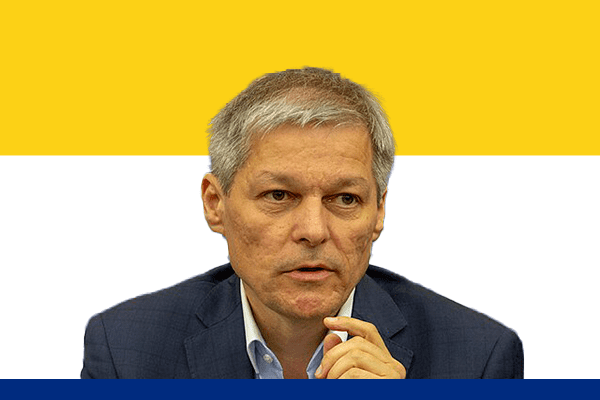
Historical Background
The office of Prime Minister was first established in the 19th century when Romania was forming as a modern state. One of the earliest and most notable figures was Mihail Kogălniceanu, who served under Prince Alexandru Ioan Cuza and played a key role in reforms such as land redistribution and secularization. During the monarchy period, prime ministers were influential in shaping national policies and strengthening independence.
Communist Era
After World War II, Romania came under communist rule, and the role of Prime Minister changed significantly. Real power was concentrated in the hands of the Communist Party leader, especially under Nicolae Ceaușescu. During this period, prime ministers had limited authority and mainly executed party directives.
Post-1989 Democratic Period
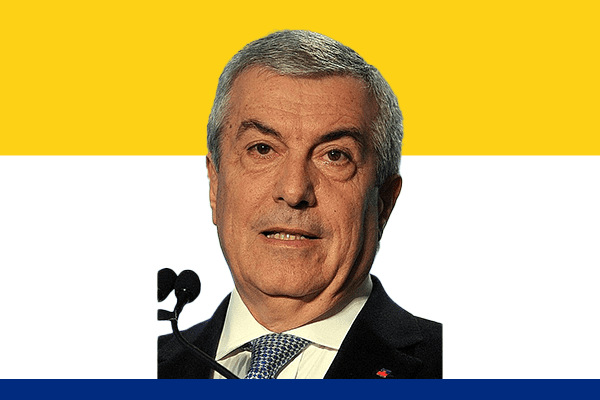
Following the fall of communism in 1989, Romania transitioned to a democratic system. Since then, the Prime Minister has been appointed by the President and must be approved by Parliament. Several leaders have shaped modern Romania’s political and economic direction. For example, Adrian Năstase focused on economic reforms and NATO integration, while Călin Popescu-Tăriceanu oversaw Romania’s accession to the European Union in 2007.
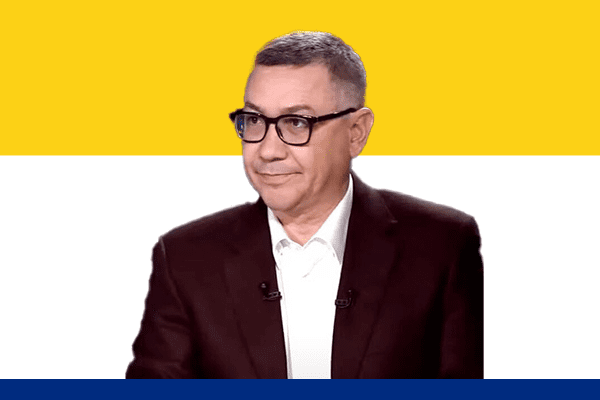
More recent prime ministers include Victor Ponta, known for his social policies, and Florin Cîțu, who dealt with economic challenges during the COVID-19 pandemic. Currently, leadership continues to change as part of Romania’s dynamic political landscape.
Conclusion
The history of Romania’s prime ministers reflects the country’s broader political transformations. From early reformers to modern democratic leaders, each prime minister has contributed to shaping the nation. Today, the role remains central to governance, balancing executive responsibilities with democratic accountability.