VICE PRESIDENTS OF NIGERIA
Foundations of the Vice Presidency
Nigeria created the office of the Vice President to serve as the second-highest executive authority in the country. The Vice President assists the President in decision-making, coordinates government activities, and often represents Nigeria in international forums. This position ensures continuity in governance, especially during transitions or crises.
LIST OF VICE PRESIDENTS OF NIGERIA

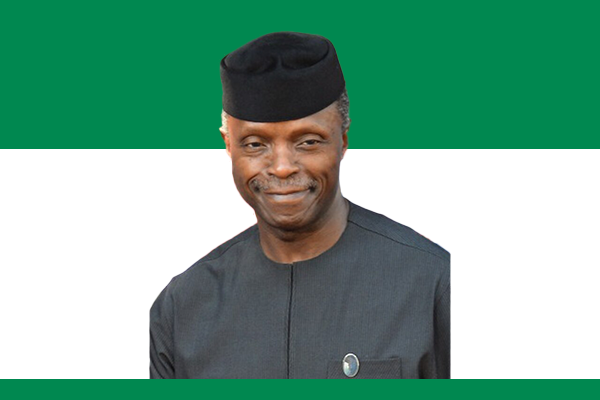
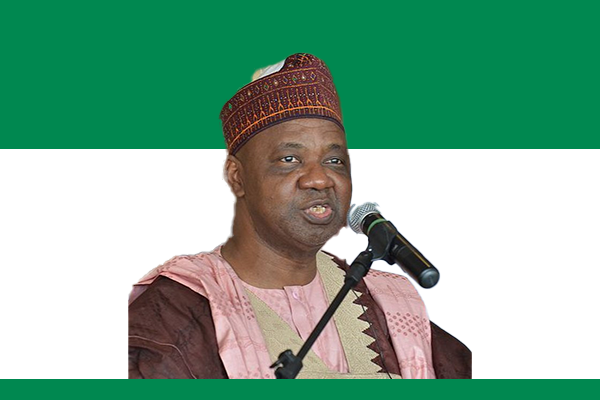
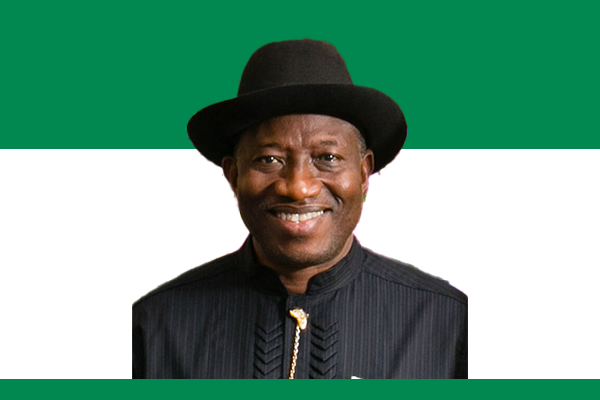
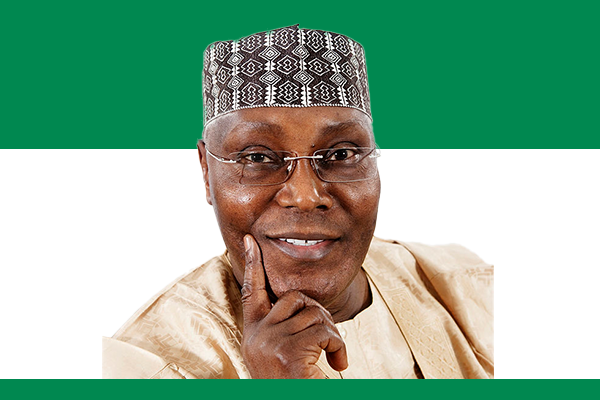





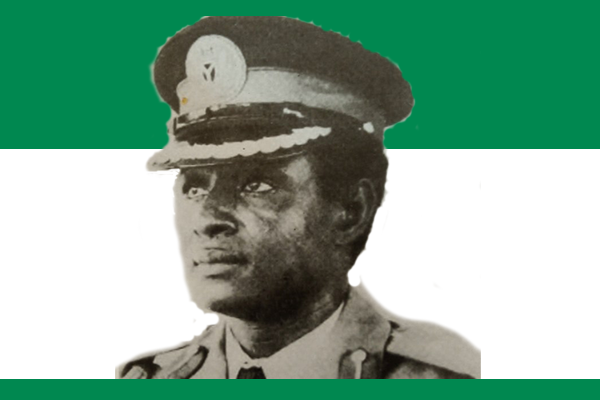
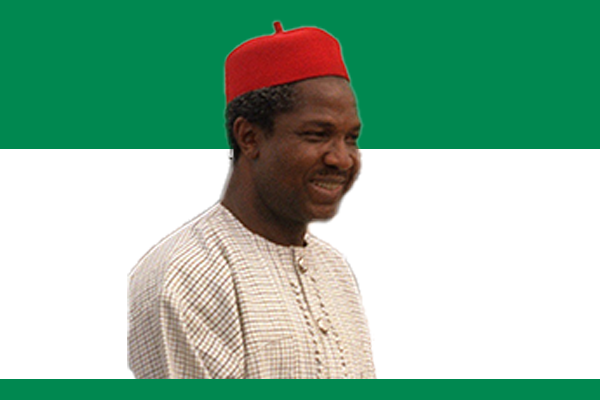
Early Vice Presidents: Setting the Stage
Vice Presidents Of Nigeria Dr. Alex Ekwueme became Nigeria’s first executive Vice President in 1979 under President Shehu Shagari’s administration. He focused on national integration and economic planning. Ekwueme helped establish structures that promoted federal unity and democratic governance before the military interrupted civilian rule in 1983.
Return to Democracy and Modern Leadership
When Nigeria returned to democracy in 1999, Atiku Abubakar became Vice President under President Olusegun Obasanjo. Atiku played a central role in economic reforms, privatization, and strengthening democratic institutions. His tenure marked a new phase of Nigeria’s economic transformation and international engagement.
Following him, Vice President Goodluck Jonathan served under President Umaru Musa Yar’Adua from 2007 to 2010. Jonathan focused on education, youth empowerment, and infrastructure. After Yar’Adua’s passing, Jonathan assumed the presidency, becoming an influential figure in Nigerian politics.
Recent Vice Presidents: Driving Reforms and Unity
Professor Yemi Osinbajo, who served from 2015 to 2023 under President Muhammadu Buhari, emphasized governance transparency, economic diversification, and social welfare programs. He became known for his intellectual leadership and commitment to national development.
Currently, Vice President Kashim Shettima, serving under President Bola Ahmed Tinubu, focuses on economic recovery, youth employment, and national security. His leadership reflects Nigeria’s ongoing commitment to stability and progress in the 21st century.
Conclusion
The Vice Presidents Of Nigeria have continually shaped the nation’s direction through dedication, innovation, and resilience. From Dr. Alex Ekwueme to Kashim Shettima, each leader has contributed to building a stronger, more united Nigeria. Their collective efforts demonstrate the vital role of the Vice Presidency in promoting democracy, good governance, and sustainable development.