PRIME MINISTERS OF EGYPT
The office of the Prime Ministers of Egypt plays a central role in the country’s modern political system. Although Egypt is a presidential republic, the prime minister is an important figure in managing the day-to-day functions of the government and implementing state policies.
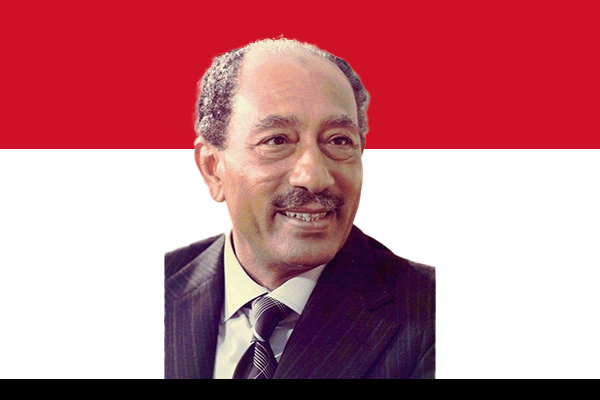
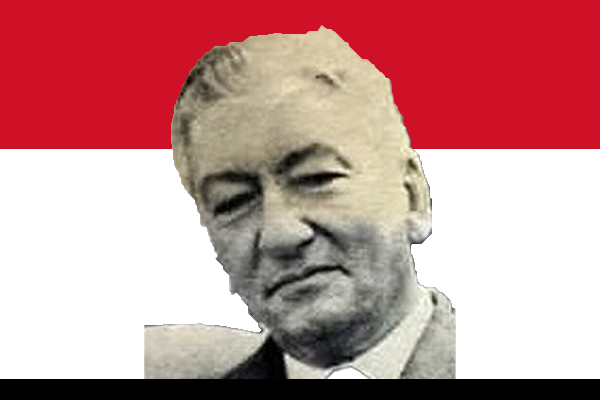
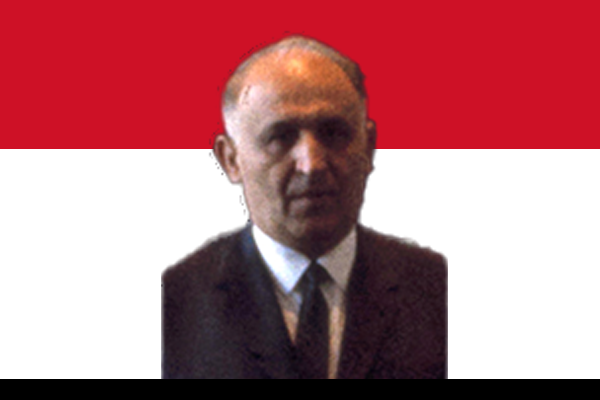
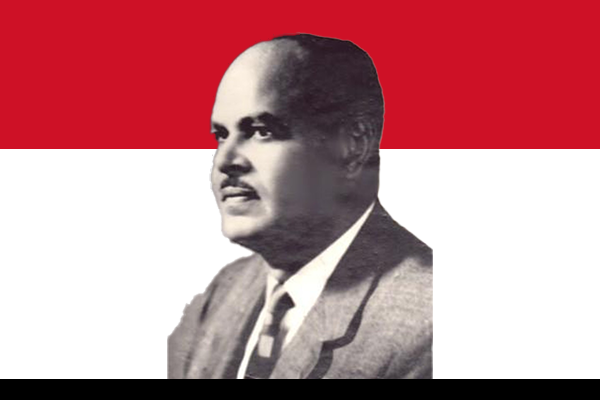
LIST OF PRIME MINISTERS OF EGYPT

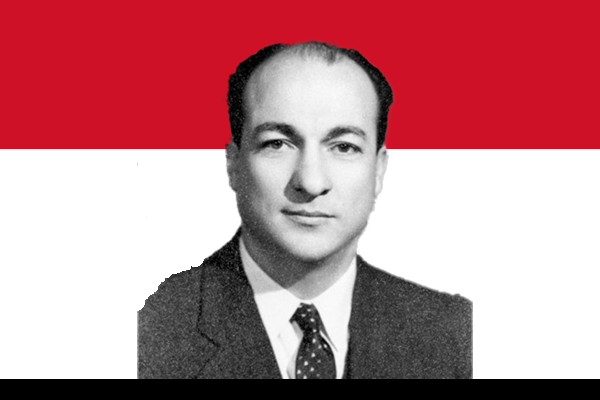

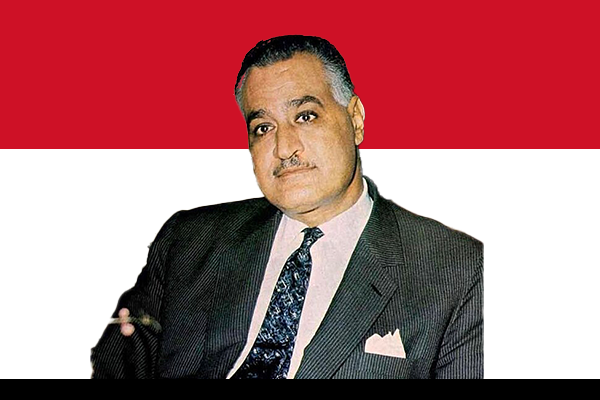
Establishment of the Office
The office of the Prime Minister was officially established in 1878 during the reign of Khedive Ismail, when he introduced a modern cabinet system in Egypt. Nubar Pasha became the first person to hold the title of Prime Minister. Before this, Egypt was governed by Ottoman-appointed rulers and advisors without a formalized cabinet structure.
Since Egypt became a republic in 1953, the role of the prime minister has evolved depending on the balance of power between the president and the government. The Egyptian Constitution outlines that the President of the Republic appoints the Prime Minister, who then forms the cabinet, subject to parliamentary approval.
Roles and Responsibilities
The Prime Minister of Egypt is the head of government and leads the Council of Ministers (cabinet). Key responsibilities include:
- Implementing national policy
- Coordinating between ministries
- Managing economic and social development programs
- Presenting the government’s policy agenda to the House of Representatives
- Overseeing public services and internal administration
While the President remains the most powerful figure, especially in foreign policy and national security, the Prime Minister handles much of the administrative and domestic policy work.
Important Prime Ministers in Egyptian History
Nubar Pasha (1878–1879, 1884–1888, 1894–1895)
As Egypt’s first Prime Minister, Nubar Pasha played a key role in modernizing government structures. He worked to reduce European influence and build stronger national institutions.
Saad Zaghloul (1924)
A national hero and leader of the Wafd Party, Saad Zaghloul served briefly as Prime Minister following Egypt’s partial independence from Britain. He is remembered for his role in the 1919 Revolution and for pushing Egypt toward self-rule.
Mustafa El-Nahhas (1930s–1940s)
Another Wafd leader, El-Nahhas served multiple terms as Prime Minister and was influential in negotiating with the British for greater Egyptian sovereignty.
Mahmoud Fawzi (1970–1972)
He was appointed by President Anwar Sadat after the death of President Nasser. Fawzi helped maintain stability during the political transition and supported Sadat’s early policies.
Ahmed Nazif (2004–2011)
Appointed under President Hosni Mubarak, Nazif was known for economic liberalization efforts and a focus on technology and investment. However, his government was criticized for corruption and growing inequality, contributing to the unrest that led to the 2011 revolution.
Essam Sharaf (2011)
Sharaf was appointed by the Supreme Council of the Armed Forces (SCAF) after Mubarak’s resignation. He served during a turbulent transition and faced protests demanding faster reforms.
Hesham Qandil (2012–2013)
Appointed by President Mohamed Morsi of the Muslim Brotherhood, Qandil’s tenure was marked by political division and economic struggles. He was dismissed after Morsi was overthrown in 2013.
Ibrahim Mahlab (2014–2015)
Following the military-backed interim government, Mahlab tried to restore public services and rebuild confidence, especially after years of unrest.
Sherif Ismail (2015–2018)
Ismail led a cabinet under President Abdel Fattah el-Sisi. His government focused on economic reforms, including cutting subsidies and implementing a value-added tax (VAT), as part of a deal with the International Monetary Fund (IMF). Though these reforms were economically necessary, they increased the cost of living for ordinary Egyptians.
Mostafa Madbouly (2018–present as of 2025)
Madbouly, a former Minister of Housing, continues to serve as Prime Minister under President Sisi. His government focuses on infrastructure development, urban expansion, and economic modernization. He has also overseen the construction of Egypt’s New Administrative Capital and managed responses to challenges like inflation and regional tensions.
Conclusion
The role of the Prime Minister of Egypt has shifted over time, influenced by historical events, constitutional changes, and the balance of power with the president. While the president remains the dominant political figure, the prime minister has consistently played a vital role in shaping domestic policy and managing government operations. From early reformers like Nubar Pasha to modern technocrats like Mostafa Madbouly, Egypt’s prime ministers have helped steer the country through colonialism, monarchy, revolution, and modernization.