PRIME MINISTERS OF FINLAND
Prime Ministers of Finland
The Prime Minister of Finland is the head of government and one of the most important political leaders in the country. Finland follows a parliamentary system, where the Prime Minister leads the government, oversees national policies, and works closely with the President and Parliament. Since Finland gained independence from Russia in 1917, many Prime Ministers have played key roles in shaping the nation’s political, economic, and social development.
LIST OF PRIME MINISTERS OF FINLAND
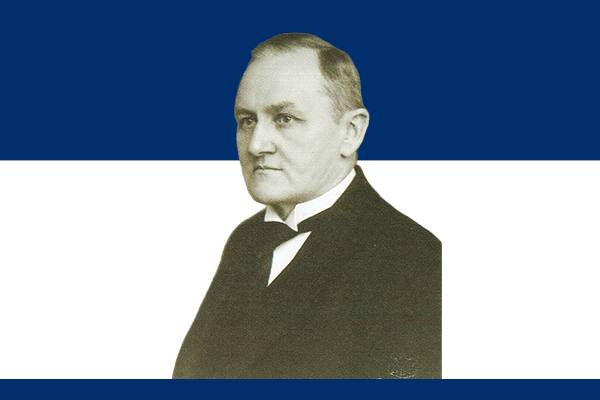
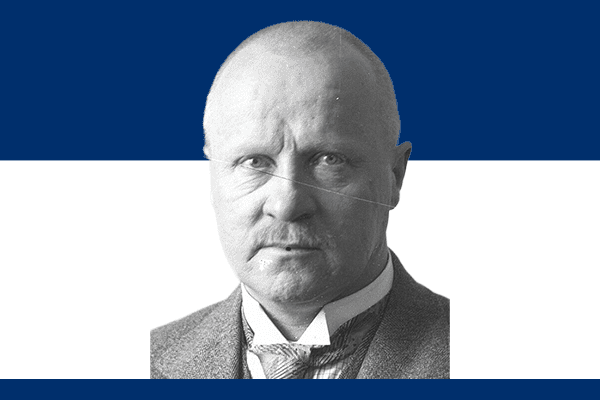
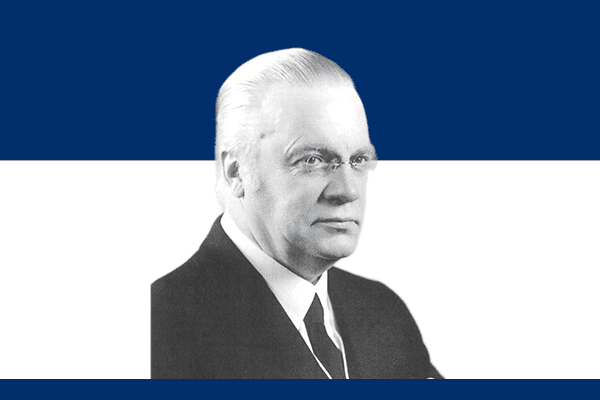
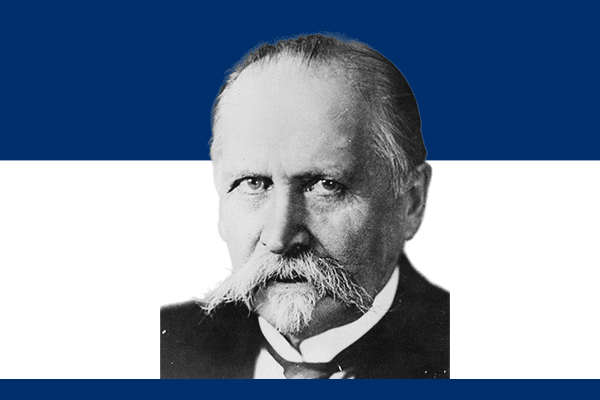
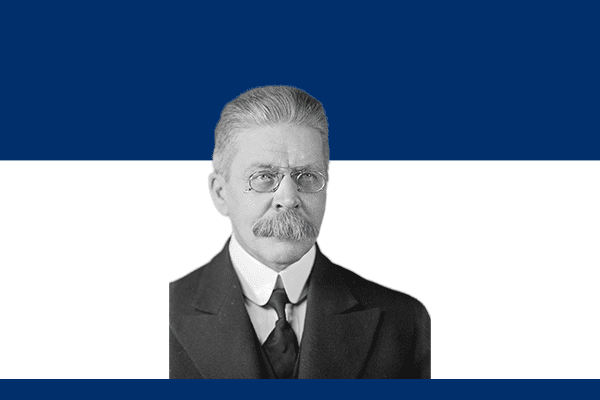
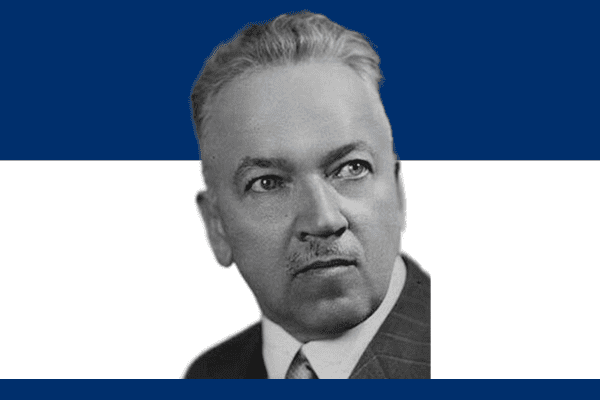
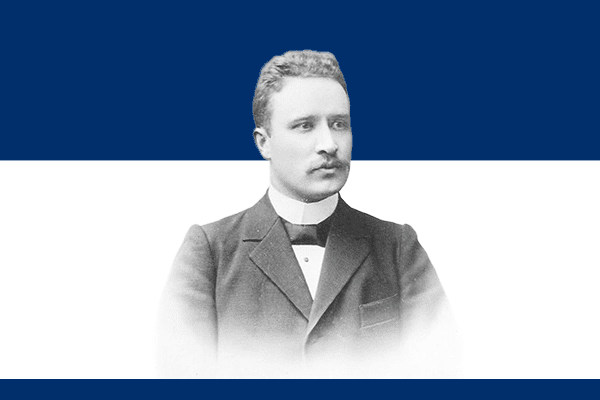

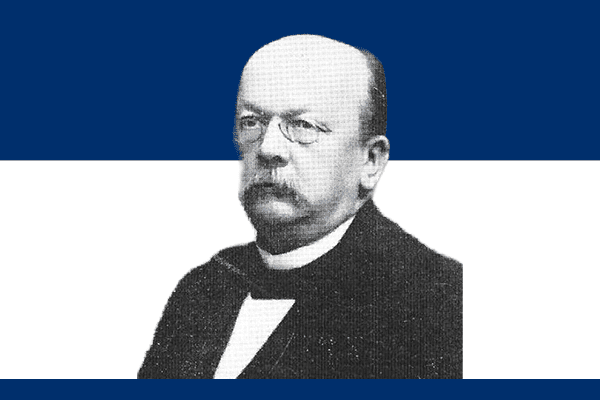
Early Prime Ministers
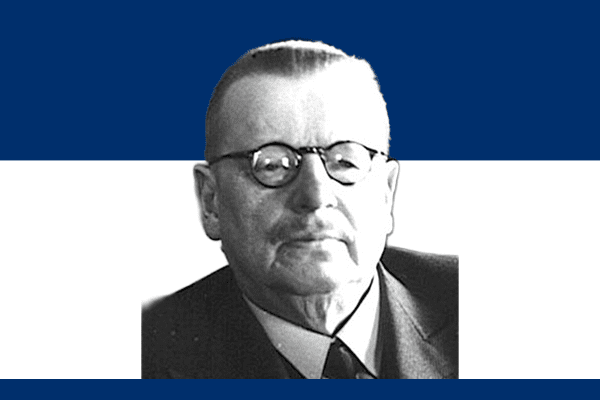
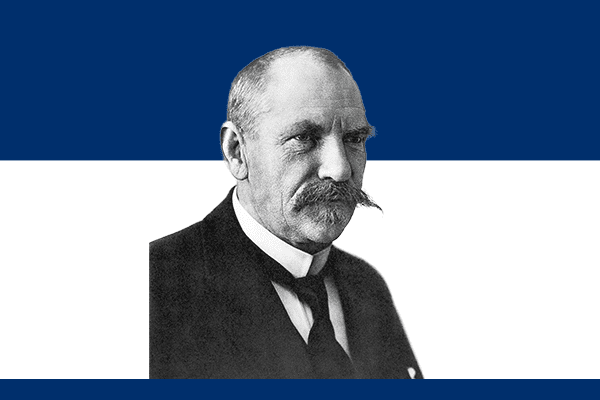
The first Prime Minister of independent Finland was Pehr Evind Svinhufvud, who served in 1917. During the early years of independence, Finland faced significant challenges, including political instability and the Finnish Civil War. Several leaders worked to strengthen democratic institutions and establish a stable government.
One of the most influential early leaders was Kyösti Kallio, who served multiple terms as Prime Minister and later became President. His leadership helped promote national unity and agricultural development.
Post-War Leadership
After World War II, Finland focused on rebuilding its economy and maintaining peaceful relations with neighboring countries. Prime Ministers such as Urho Kekkonen contributed to economic recovery and international diplomacy. Finland adopted a policy of neutrality during the Cold War, which helped the country maintain stability and independence.
In the latter half of the twentieth century, Finland experienced rapid industrial growth, improved education, and the development of a strong welfare system. Prime Ministers during this period played a major role in modernizing the country and expanding social services.
Modern Prime Ministers
In recent decades, Finnish Prime Ministers have focused on economic competitiveness, technological innovation, and international cooperation. Leaders such as Matti Vanhanen and Juha Sipilä introduced reforms aimed at strengthening Finland’s economy and public services.
A notable recent leader was Sanna Marin, who became one of the world’s youngest serving prime ministers when she took office in 2019. Her government managed major challenges, including the COVID-19 pandemic, while advancing policies related to equality, sustainability, and social welfare.
Since 2023, Finland has been led by Petteri Orpo. His government has focused on economic reforms, fiscal responsibility, security, and strengthening Finland’s position within European and international organizations.
Conclusion
The Prime Ministers of Finland have played a crucial role in guiding the country from a newly independent nation to a modern, prosperous democracy. Through their leadership, Finland has developed a strong economy, an excellent education system, and a respected position in international affairs. As the country continues to face new challenges and opportunities, the office of Prime Minister remains central to Finland’s democratic governance and future development.