PRESIDENTS OF PHILIPPINES
Presidents of the Philippines
The Philippines, a vibrant Southeast Asian nation, has a rich political history shaped by its presidents who have led the country through colonization, independence, and modernization. Each president contributed uniquely to the nation’s growth, democracy, and identity.
LIST OF PRESIDENTS OF PHILIPPINES


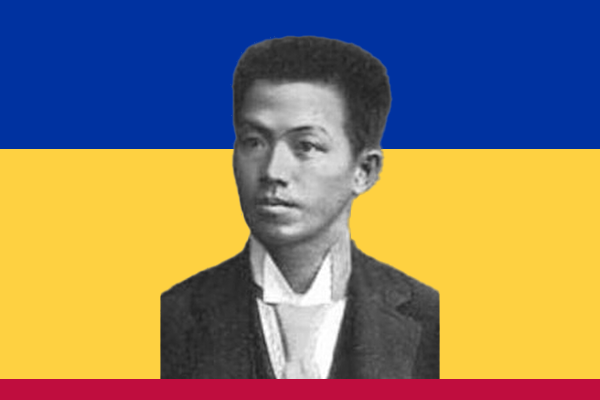
Presidents of Philippines
Manuel L. Quezon: The First President
Manuel L. Quezon served as the first President of the Commonwealth of the Philippines from 1935 to 1944. He established a national language, reformed the government, and advocated for Philippine independence from American rule. His leadership laid the foundation for a self-governing nation.
José P. Laurel: Wartime Leader
José P. Laurel led the country during the Japanese occupation from 1943 to 1945. His presidency remains controversial due to his cooperation with Japanese forces, but he focused on maintaining order and protecting Filipino lives during the war.
Sergio Osmeña and Manuel Roxas: Post-War Reconstruction
Sergio Osmeña succeeded Quezon after his death and worked toward rebuilding the country after World War II. Manuel Roxas became the first president of the independent Third Republic in 1946. Roxas restored the economy and strengthened ties with the United States, setting the post-war direction for the Philippines.
Elpidio Quirino to Diosdado Macapagal: Rebuilding and Reform
Elpidio Quirino focused on economic recovery and social welfare, while Ramon Magsaysay became known as the “Champion of the Common Man” for his honest governance and efforts to curb communism. Carlos P. Garcia promoted the “Filipino First Policy,” prioritizing local industries. Diosdado Macapagal moved the Independence Day celebration from July 4 to June 12, honoring the 1898 declaration of independence from Spain.
Ferdinand Marcos: Martial Law Era
Ferdinand Marcos ruled from 1965 to 1986, initially developing infrastructure and industry. However, he declared Martial Law in 1972, extending his rule and curtailing democratic freedoms. His two-decade presidency ended with the People Power Revolution, which restored democracy.
Corazon Aquino to Gloria Macapagal Arroyo: Restoring Democracy
Corazon Aquino, the first female president, led the country after Marcos’s ouster. She reestablished democratic institutions and inspired hope across Asia. Fidel V. Ramos modernized the economy and promoted peace. Joseph Estrada focused on poverty reduction but was removed due to corruption. Gloria Macapagal Arroyo emphasized economic growth and technology development during her term.
Benigno Aquino III to Ferdinand Marcos Jr.: The Modern Era
Benigno Aquino III advanced transparency and good governance, while Rodrigo Duterte’s term emphasized anti-drug campaigns and infrastructure. The current president, Ferdinand “Bongbong” Marcos Jr., focuses on economic recovery, unity, and foreign relations.