PRIME MINISTERS OF PORTUGAL
Introduction
The Prime Minister of Portugal serves as the head of government and plays a central role in the country’s political system. While the President acts as the head of state, the Prime Minister leads the executive branch, formulates policies, and oversees governance. Portugal follows a semi-presidential system, where both the President and the Prime Minister share responsibilities, but the Prime Minister actively manages day-to-day administration.
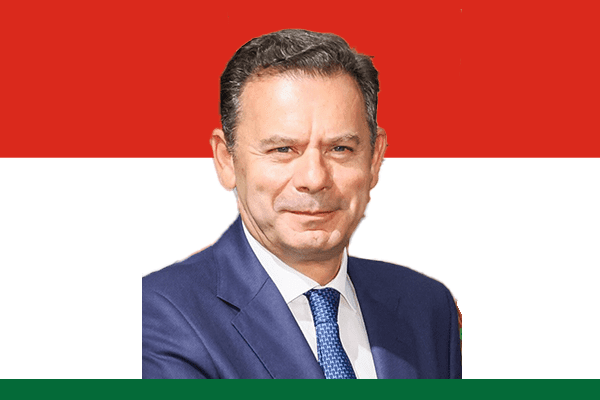
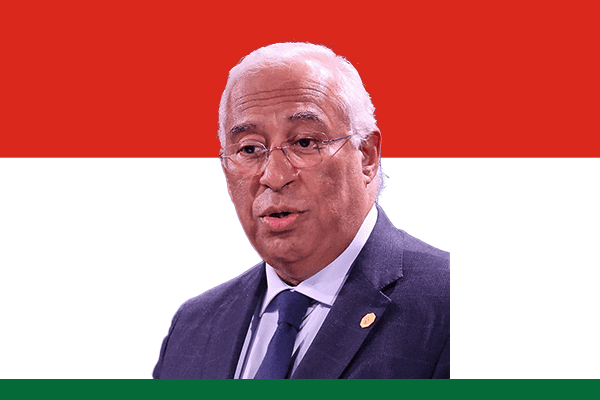
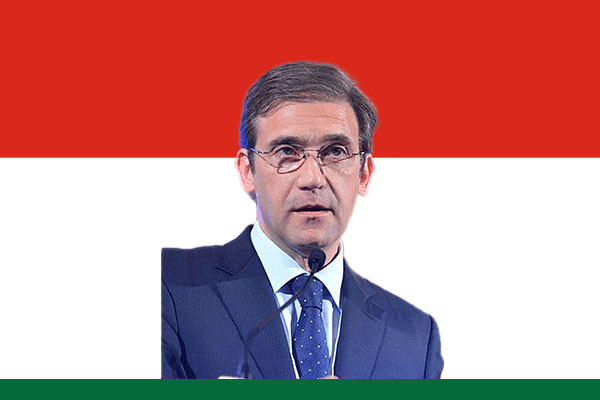
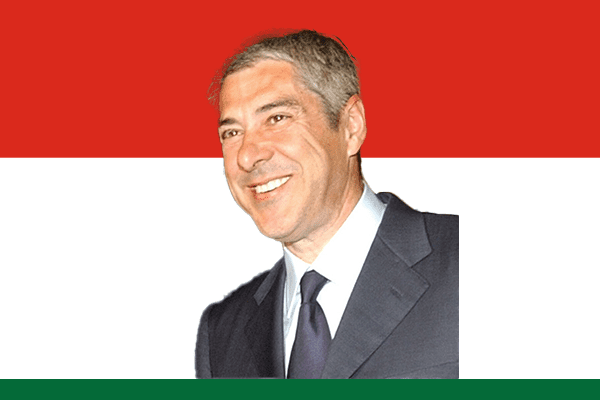
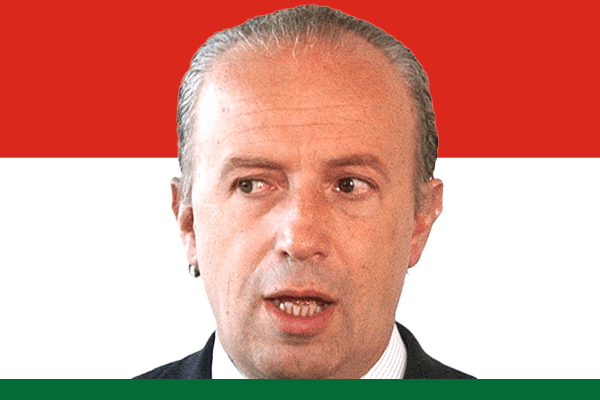
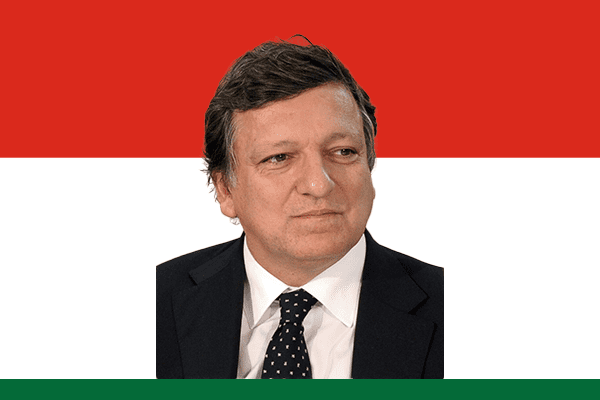
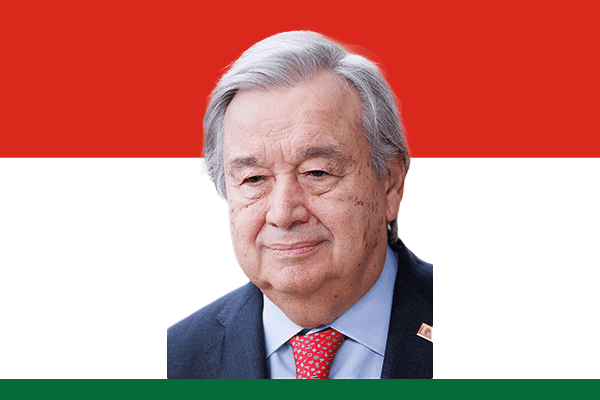
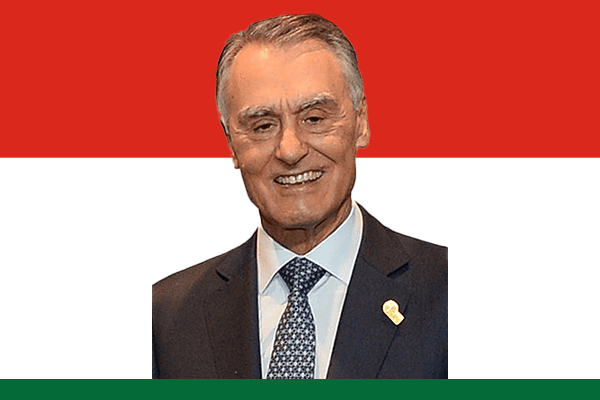
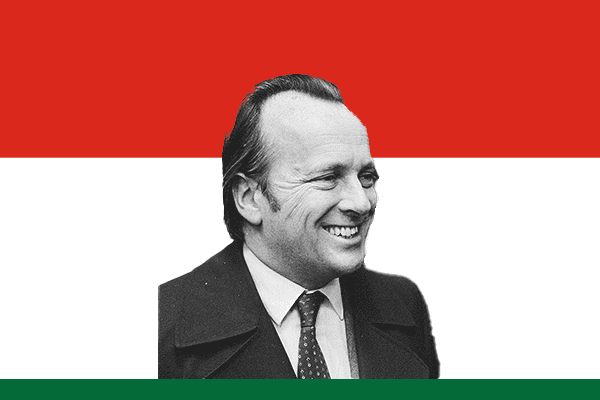
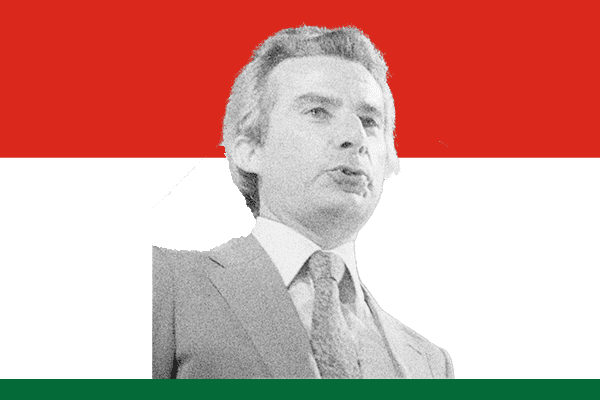
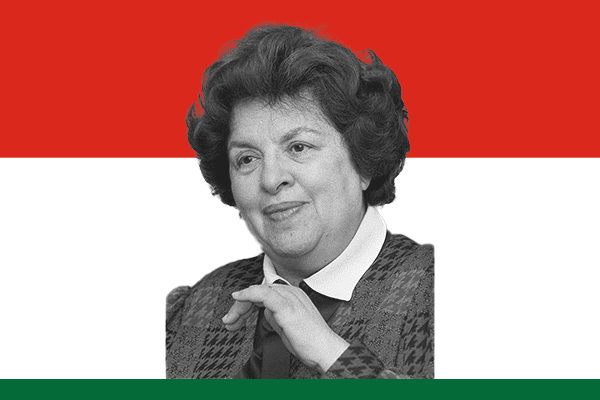
LIST OF PRIME MINISTERS OF PORTUGAL
Historical Background
The position of Prime Minister in Portugal emerged in the 19th century during the constitutional monarchy. However, political instability and regime changes shaped the office over time. The monarchy ended in 1910, leading to the First Portuguese Republic, where several leaders governed in rapid succession.
In 1926, a military coup established an authoritarian regime that later evolved into the Estado Novo under António de Oliveira Salazar. During this period, the role of Prime Minister held significant centralized power. This system continued until the Carnation Revolution in 1974, which restored democracy and redefined political institutions.
Modern Democratic Era
After 1974, Portugal adopted a democratic constitution in 1976. The role of Prime Minister became firmly established within a democratic framework. The Prime Minister now leads the government, appoints ministers, and implements policies based on parliamentary support.
Several leaders have shaped modern Portugal. Mário Soares played a crucial role in consolidating democracy after the revolution. Aníbal Cavaco Silva focused on economic growth and modernization during his tenure. More recently, António Costa has led the country with an emphasis on economic stability and social policies.
Role and Responsibilities
The Prime Minister of Portugal actively directs government policy and coordinates the work of various ministries. He or she chairs the Council of Ministers, proposes legislation, and ensures that laws are implemented effectively. The Prime Minister also represents Portugal in international forums and works closely with the President.
Although the President holds certain powers, such as dissolving parliament, the Prime Minister manages governance on a daily basis. This balance ensures accountability and stability within the political system.
Appointment and Political Structure
The President appoints the Prime Minister, usually selecting the leader of the party that wins a majority in parliament. If no party achieves a majority, coalition governments are formed. This system encourages negotiation and cooperation among political parties.
Portugal’s political landscape mainly features parties such as the Socialist Party and the Social Democratic Party, both of which have produced several prime ministers over the years.
Conclusion
The office of Prime Minister in Portugal has evolved significantly from its early beginnings to its current democratic role. Today, it stands as a cornerstone of governance, ensuring effective leadership and policy implementation. Through active decision-making and cooperation with other institutions, the Prime Minister continues to shape Portugal’s political and economic future.