PRESIDENTS OF PORTUGAL
Introduction
The President of Portugal serves as the head of state and plays a crucial role in maintaining the country’s democratic system. Portugal adopted a republican form of government in 1910 after the fall of the monarchy, and since then, presidents have represented national unity, upheld the constitution, and ensured political stability. Although executive power primarily lies with the government, the president holds important constitutional authority.
LIST OF PRESIDENTS OF PORTUGAL
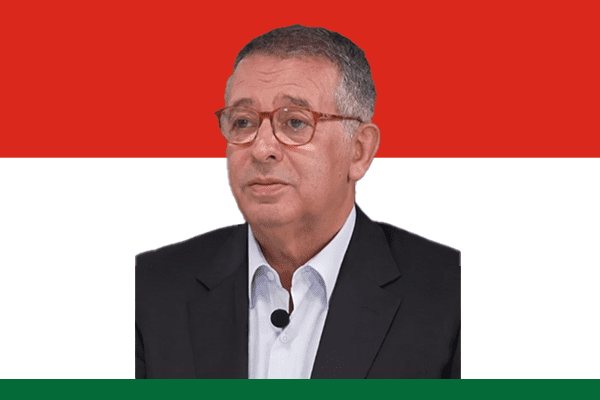
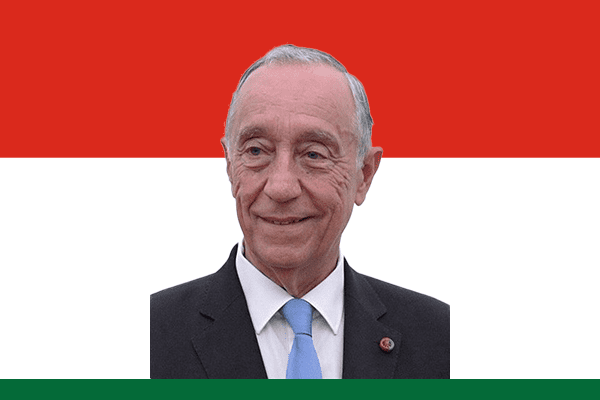
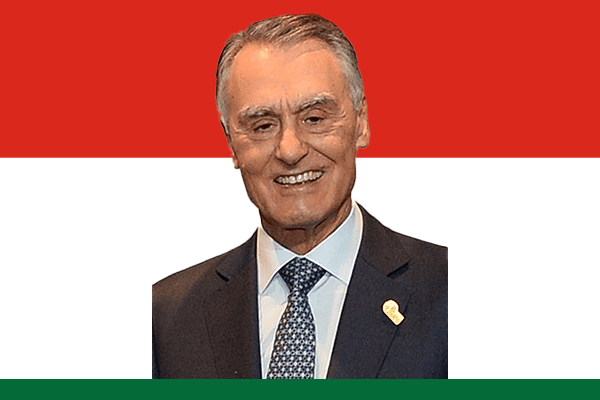
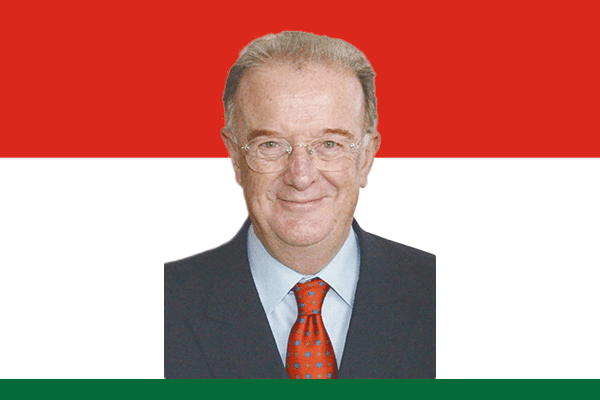
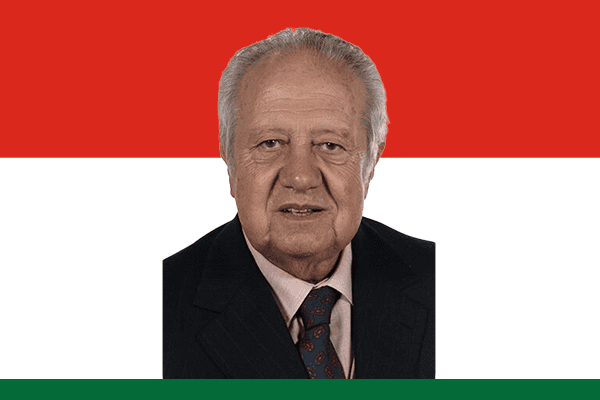
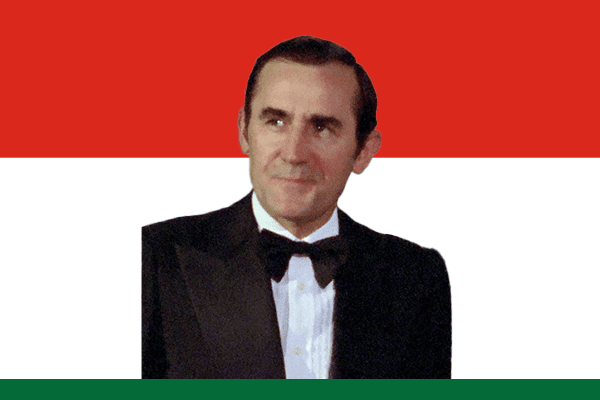
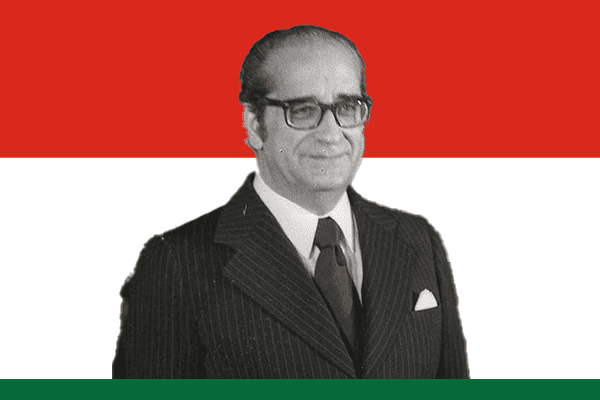
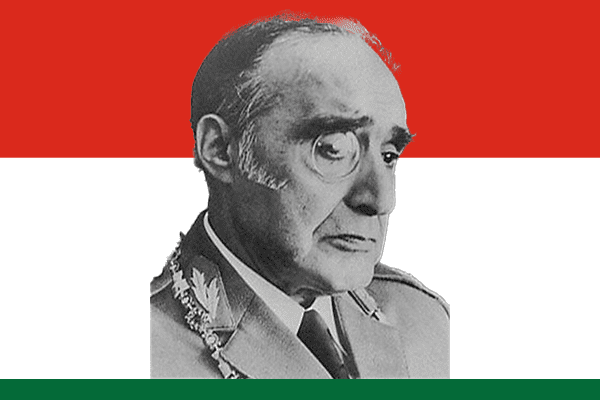
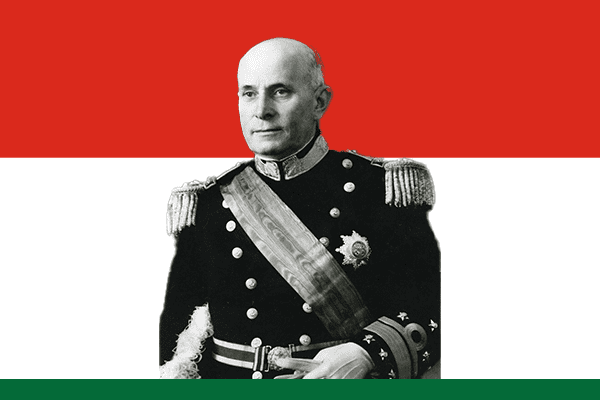
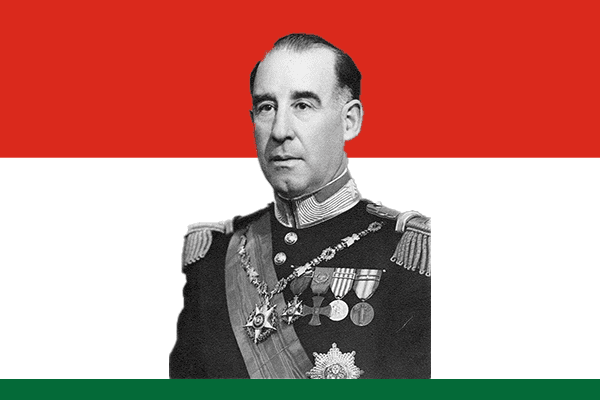
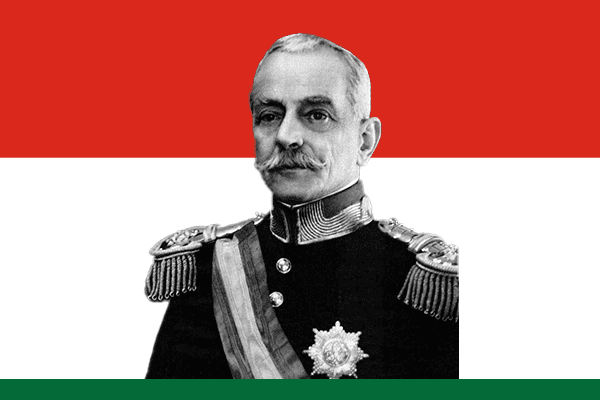
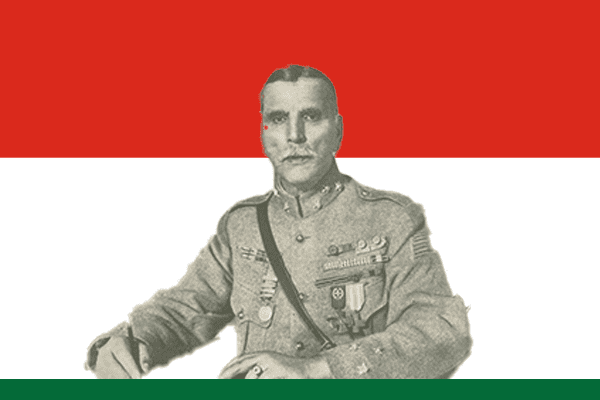
Early Presidents and the First Republic (1910–1926)
Portugal became a republic following the Portuguese Republican Revolution, which ended the monarchy of King Manuel II. Manuel de Arriaga became the first president in 1911. During this period, political instability led to frequent changes in leadership. Presidents such as Teófilo Braga and Bernardino Machado served short terms amid ongoing political turmoil.
Military Dictatorship and Estado Novo (1926–1974)
A military coup in 1926 ended the First Republic and established an authoritarian regime. During this time, presidents held limited real power, as authority shifted to the government led by figures like António de Oliveira Salazar. Presidents such as Óscar Carmona and Américo Tomás largely supported the regime known as Estado Novo. The presidency functioned mainly as a formal institution rather than an independent authority.
Democratic Era after the Carnation Revolution (1974–Present)
The Carnation Revolution marked a turning point in Portuguese history by ending dictatorship and restoring democracy. António de Spínola briefly served as president during the transition period. Soon after, Francisco da Costa Gomes took office and guided the country toward stability.
In 1976, Portugal adopted a new democratic constitution, and Ramalho Eanes became the first elected president under this system. He helped consolidate democratic institutions and ensure peaceful governance.
Modern Presidents of Portugal
Since the establishment of democracy, several presidents have contributed to Portugal’s political stability and development. Mário Soares, who served from 1986 to 1996, played a key role in strengthening democratic values and European integration. Jorge Sampaio continued this legacy by focusing on social issues and national unity.
Aníbal Cavaco Silva served from 2006 to 2016 and brought economic expertise to the role. He worked during a period of financial crisis and supported stability measures. The current president, Marcelo Rebelo de Sousa, has served since 2016 and is known for his approachable style and strong connection with the public.
Role and Powers of the President
The President of Portugal holds several important powers. He appoints the Prime Minister, can dissolve Parliament, and serves as commander-in-chief of the armed forces. He also signs laws and may veto legislation if necessary. Despite these powers, he generally acts as a neutral figure who ensures that democratic institutions function smoothly.
Conclusion
The presidency of Portugal has evolved significantly over time, from instability in the early republic to a symbolic yet influential role in modern democracy. Presidents have played a vital part in shaping the nation’s political landscape and maintaining stability. Today, the office continues to represent unity, constitutional order, and democratic values in Portugal.