PRESIDENTS OF SERBIA
Presidents of Serbia
The President of Serbia is the head of state of the Republic of Serbia. The president represents the country at home and abroad, protects the constitution, and plays an important role in national politics. Since Serbia became an independent republic, several leaders have served as president and influenced the nation’s political, economic, and social development. The office of the president has changed over time, especially after the breakup of Yugoslavia.
LIST OF PRESIDENTS OF SERBIA
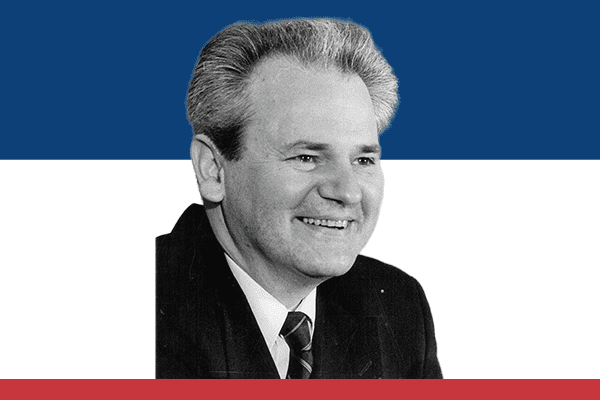

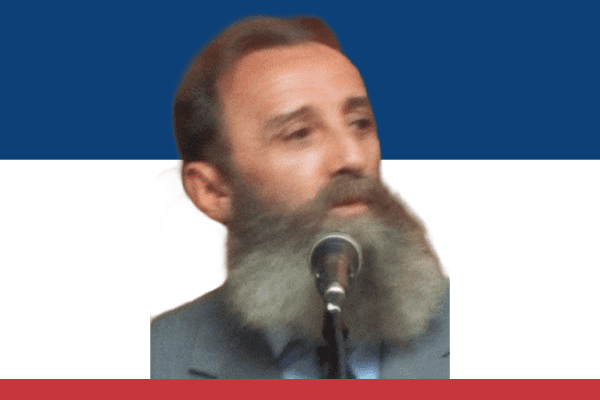
Slobodan Milošević
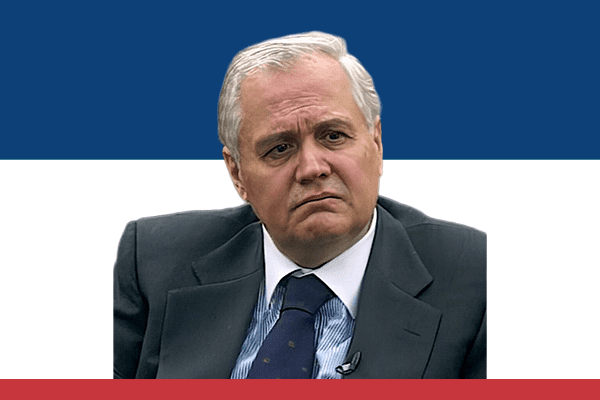
Slobodan Milošević served as President of Serbia from 1989 to 1997. He became one of the most controversial political figures in the Balkans. During his leadership, Serbia faced wars connected to the breakup of Yugoslavia in the 1990s. His government received criticism for nationalism, restrictions on political freedom, and economic problems. Massive protests later weakened his power, and he eventually lost influence after the 2000 democratic movement.
Milan Milutinović
After Milošević, Milan Milutinović became president in 1997 and served until 2002. His presidency occurred during a difficult period that included the Kosovo conflict and NATO bombing in 1999. Although he held the title of president, many believed Milošević still controlled major political decisions. Milutinović later faced legal proceedings connected to war crimes investigations but was eventually acquitted.
Democratic Leadership Era
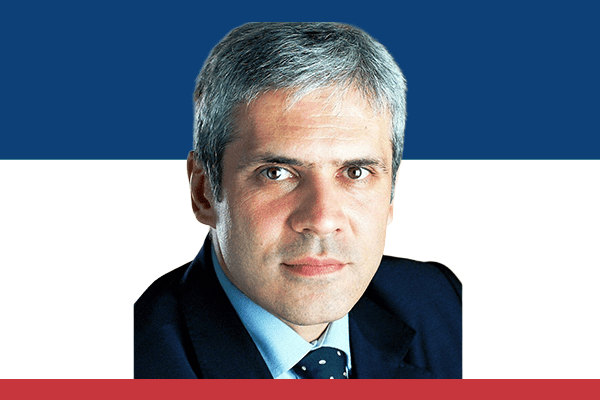
Following political reforms, Serbia entered a more democratic period. Boris Tadić served from 2004 to 2012 and focused on improving relations with Europe. He supported Serbia’s efforts to join the European Union and encouraged democratic reforms. Many citizens viewed his leadership as more modern and internationally cooperative.
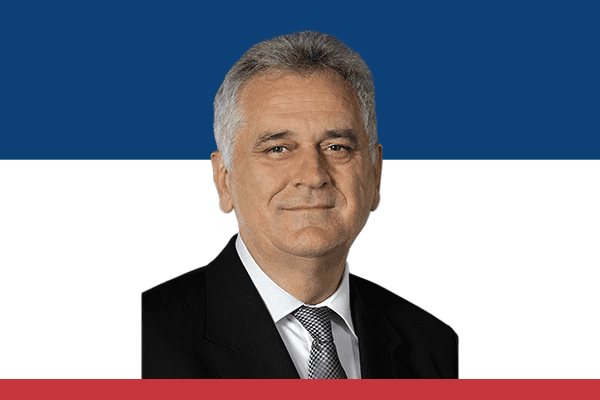
Another important leader was Tomislav Nikolić, who served from 2012 to 2017. He promoted national interests while also continuing European integration efforts. His presidency represented a shift toward conservative politics in Serbia.
Current President
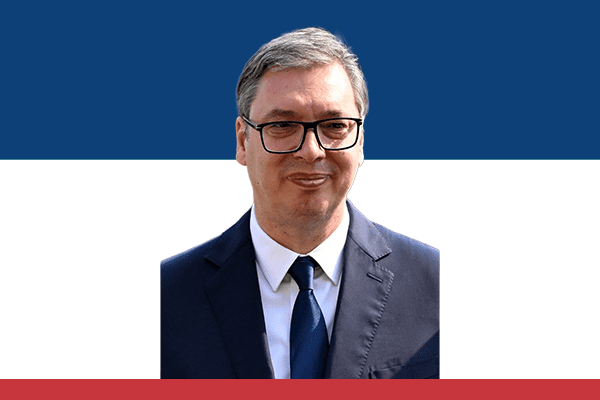
Since 2017, Aleksandar Vučić has served as President of Serbia. Before becoming president, he worked as prime minister and held several important government positions. Vučić has focused on economic development, infrastructure projects, and maintaining Serbia’s international relations with both Eastern and Western countries. Supporters praise his leadership for economic growth and stability, while critics express concerns about media freedom and political centralization.
Conclusion
The presidents of Serbia have played major roles in shaping the country’s modern history. From the turbulent years of the Yugoslav breakup to the present era of economic and political reform, each leader has influenced Serbia in different ways. The presidency remains one of the most important institutions in Serbian politics and continues to guide the nation’s future on the international stage.