PRIME MINISTERS OF SERBIA
Prime Ministers of Serbia
The Prime Minister of Serbia is the head of government and one of the most important political leaders in the country. The prime minister manages the government, creates national policies, and works with the president and parliament to run the nation effectively. Since Serbia became an independent modern state, many leaders have served as prime minister and helped shape the country’s political, economic, and social development.
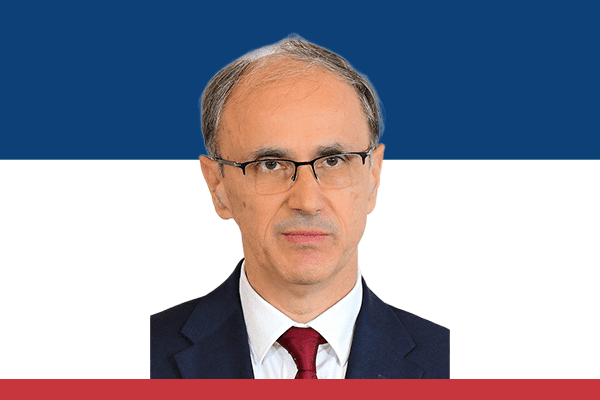
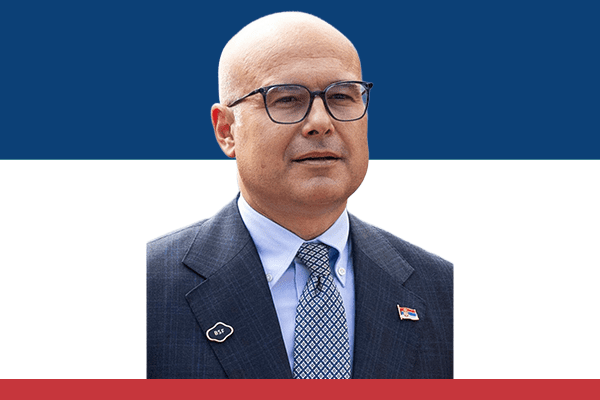
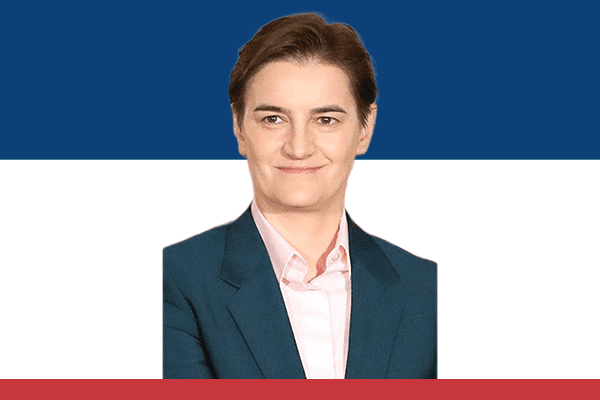
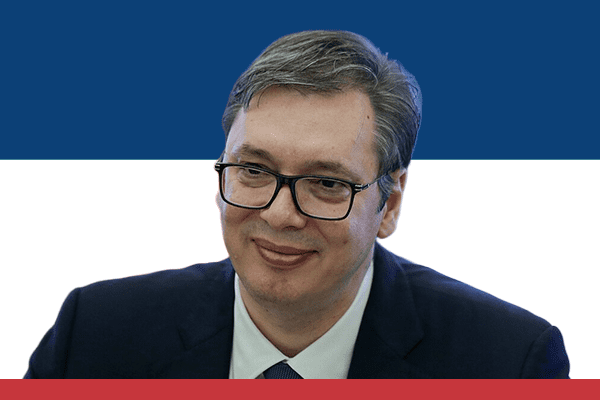
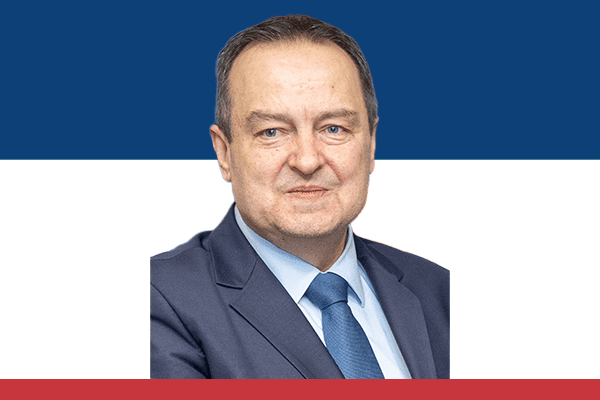
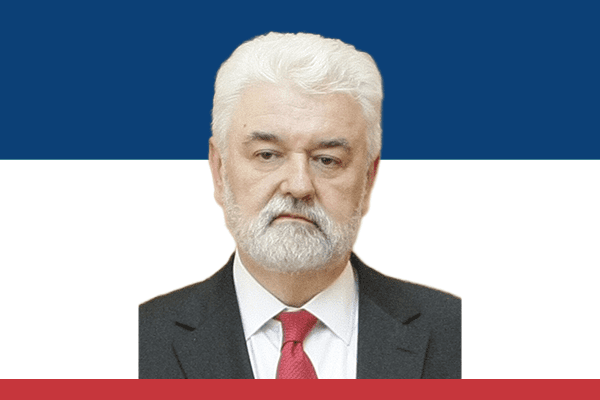
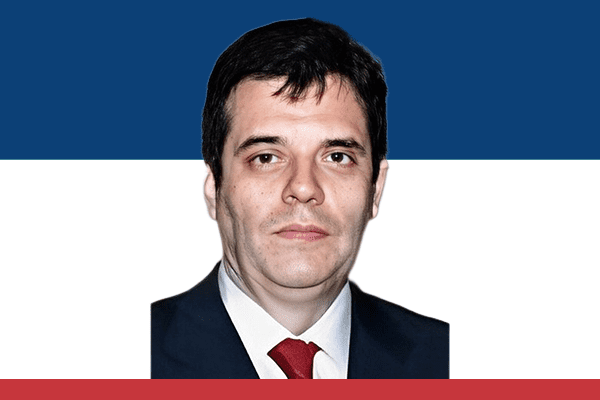
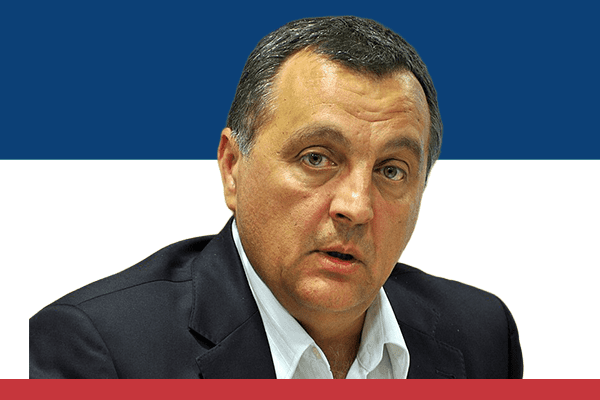
LIST OF PRIME MINISTERS OF SERBIA


Role of the Prime Minister
The Prime Minister of Serbia leads the executive branch of the government. The prime minister selects ministers, supervises government departments, and introduces laws and reforms. This position also represents Serbia in international meetings and maintains relations with other countries. The National Assembly elects the prime minister after parliamentary elections.
Early Prime Ministers
During the nineteenth century, Serbia was transforming from a principality into a modern European state. Early prime ministers focused on strengthening the government, improving education, and gaining greater independence from the Ottoman Empire. Leaders such as Ilija Garašanin played an important role in shaping Serbian nationalism and foreign policy. Garašanin became famous for his political program called “Načertanije,” which influenced Serbian national ideas for many years.
Another important leader was Nikola Pašić, one of the most influential politicians in Serbian history. He served several terms as prime minister and guided Serbia through the Balkan Wars and the First World War. His leadership strengthened Serbia’s international position during difficult times.
Prime Ministers in Yugoslavia
After the First World War, Serbia became part of the Kingdom of Yugoslavia and later socialist Yugoslavia. During this period, Serbian political leadership changed significantly. Under communist rule after the Second World War, the government followed socialist policies under the influence of Josip Broz Tito. Prime ministers during this era had less independent power because the communist party controlled most political decisions.
Modern Serbian Prime Ministers
Modern Serbia emerged after the breakup of Yugoslavia in the 1990s and the independence of Serbia in 2006. Since then, several prime ministers have worked to improve democracy, economic growth, and relations with Europe.
Zoran Đinđić became one of the most respected modern leaders. He introduced democratic reforms and worked to modernize the country after the fall of Slobodan Milošević. Sadly, Đinđić was assassinated in 2003.
In recent years, Ana Brnabić gained international attention as Serbia’s first female and openly gay prime minister. She focused on digital technology, economic reforms, and modernization.
Conclusion
The prime ministers of Serbia have played a major role in shaping the nation’s history. From early national leaders to modern democratic reformers, each prime minister contributed to Serbia’s political development in different ways. Their leadership reflects the country’s journey through independence movements, wars, socialism, and democratic transformation.