Prime Ministers of Australia

Australia, as a constitutional monarchy with a parliamentary system, has seen a long line of Prime Ministers since the federation in 1901. The role of the Prime Minister is central to Australian politics, as they lead the government, set policies, and represent the nation internationally. Over the years, the position has been held by leaders from various political parties, reflecting the country’s dynamic political landscape.

LIST OF PRIME MINISTERS OF AUSTRALIA

="timeline-item"
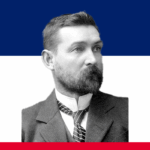
Edmund Barton

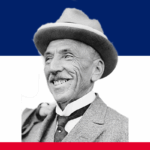
Edmund Barton (1849–1920) was Australia’s first Prime Minister, serving from 1901 to 1903. A leading advocate for the federation of Australian colonies, he played a key role in drafting the Australian Constitution. After his prime ministership, Barton became a founding justice of the High Court of Australia, shaping the country’s legal framework. His leadership and vision laid the foundation for modern Australia, making him a pivotal figure in the nation’s political and judicial history.

="timeline-item"
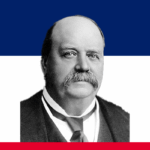
Alfred Deakin

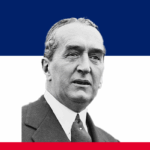
Alfred Deakin (1856–1919) was a key Australian politician and the second Prime Minister of Australia. Serving three terms between 1903 and 1910, he played a crucial role in shaping the nation’s early policies, including trade, immigration, and national defense. Deakin was a founding figure in the Australian Federation and a leader of the Protectionist Party. Known for his intellect and vision, he left a lasting legacy in Australian politics, law, and national identity.

="timeline-item"
Chris Watson

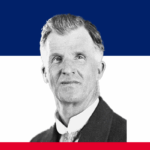
Chris Watson (1867–1941) was an Australian politician and the third Prime Minister of Australia, serving in 1904. He was the first federal Labor Party Prime Minister and led a minority government that focused on social reforms, labor rights, and progressive policies. Born in Chile to German parents, Watson moved to Australia as a child and became a prominent trade unionist before entering politics. His brief but influential leadership helped shape the early Labor movement in Australia.

="timeline-item"
George Reida

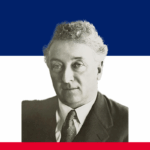
George Reid (1845–1918) was an influential Australian politician and the fourth Prime Minister of Australia, serving from 1904 to 1905. Born on February 25, 1845, in Scotland, he migrated to Australia and became a prominent figure in New South Wales politics before leading the Free Trade Party. Reid played a key role in shaping Australia’s early federal policies and advocating for trade liberalization. He passed away on September 12, 1918, leaving a lasting legacy in Australian politics.

="timeline-item"
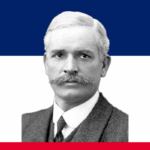
Andrew Fisher

Andrew Fisher (1862–1928) was an influential Australian politician who served three terms as Prime Minister between 1908 and 1915. Born in Scotland, he emigrated to Australia and became a key figure in the Australian Labor Party. Fisher’s governments introduced landmark reforms, including the establishment of the Royal Australian Navy, the creation of the Commonwealth Bank, and expanded social welfare programs. He played a crucial role in shaping modern Australia before retiring due to ill health.

="timeline-item"
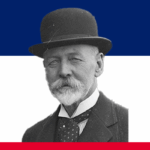
Joseph Cook

Joseph Cook (1860–1947) was an Australian politician who served as the sixth Prime Minister of Australia from 1913 to 1914. Born in England, he migrated to Australia and became a key figure in the Labor and later the Liberal Party. Cook was known for his advocacy of trade policies and national development. He also served as High Commissioner to the United Kingdom from 1921 to 1927, representing Australia’s interests abroad during a crucial post-war period.

="timeline-item"
Billy Hughes

Billy Hughes (1862–1952) was an influential Australian politician who served as the Prime Minister of Australia from 1915 to 1923. Born in London, he migrated to Australia as a child and became a prominent figure in the Labor Party before leading the nation during World War I. Known for his strong stance on conscription and national development, Hughes played a key role in shaping Australia’s early federal policies and international presence.

="timeline-item"
Stanley Bruce

Stanley Bruce (1883–1967) was the eighth Prime Minister of Australia, serving from 1923 to 1929. He played a key role in modernizing the Australian economy, promoting industrial development, and strengthening relations with Britain through international diplomacy. Bruce also focused on improving rural infrastructure and boosting trade. Despite his efforts, his government lost the 1929 election due to economic challenges and industrial disputes. After politics, he served as Australia’s High Commissioner to the United Kingdom, continuing his influence on international affairs.

="timeline-item"
James Scullin

James Scullin (1876–1953) served as the ninth Prime Minister of Australia from 1929 to 1932. Born on September 18, 1876, in Trawalla, Victoria, Scullin led the country during the onset of the Great Depression, facing immense economic challenges. Despite his government’s efforts to implement social and economic reforms, his tenure struggled with political divisions and financial crises. Scullin remained an influential figure in the Australian Labor Party until his death on January 28, 1953.

="timeline-item"
Joseph Lyons

Joseph Lyons (1879–1939) was an Australian politician who served as the 10th Prime Minister of Australia from 1932 until his death in 1939. Initially a member of the Labor Party, he later co-founded the United Australia Party, leading it to electoral success. Lyons is remembered for his moderate economic policies during the Great Depression, emphasizing stability and fiscal responsibility. He remains the only Australian Prime Minister to die while in office.

="timeline-item"
Earle Page

Earle Christmas Grafton Page was an Australian politician and medical doctor who served as the 11th Prime Minister of Australia in 1939 for a brief period following the death of Joseph Lyons. He was a founding member and long-time leader of the Country Party (now the National Party). Page was known for his advocacy for rural development, regional infrastructure, and economic reform, leaving a lasting impact on Australian politics during his extensive parliamentary career.

="timeline-item"
Robert Menzies

Robert Menzies (1894–1978) was Australia’s longest-serving Prime Minister, holding office from 1939 to 1941 and again from 1949 to 1966. A founding figure of the Liberal Party, he played a key role in shaping modern Australian politics, emphasizing economic development, national security, and strong ties with the United Kingdom. Menzies’ leadership left a lasting impact on Australia’s political landscape, and he is remembered as a skilled orator and influential statesman who guided the country through periods of change.

="timeline-item"
Arthur Fadden

Arthur Fadden (1894–1973) was an Australian politician who briefly served as the 13th Prime Minister of Australia in 1941. A member of the Country Party, Fadden played a significant role in economic policy and wartime governance. Despite his short tenure as Prime Minister, he later served as Treasurer in several governments, contributing to Australia’s post-war financial stability. Fadden is remembered for his pragmatic leadership and influence in shaping the nation’s economic direction during challenging times.

="timeline-item"
John Curtin

John Curtin (1885–1945) was an Australian politician who served as the 14th Prime Minister of Australia from 1941 until his death in 1945. Leading the country during World War II, Curtin played a pivotal role in strengthening Australia’s ties with the United States and managing the war effort at home. Renowned for his leadership, vision, and dedication, he is remembered as one of Australia’s most respected wartime leaders.

="timeline-item"
Frank Forde

Frank Forde (1890–1983) was an Australian politician who briefly served as the 15th Prime Minister of Australia in 1945, following the death of John Curtin. His tenure lasted only eight days, the shortest in Australian history, before Ben Chifley was elected Labor leader and became Prime Minister. Forde had a long political career, serving as Deputy Prime Minister and Minister for the Army during World War II. He remained active in public service until his retirement.

="timeline-item"
Ben Chifley

Ben Chifley (1885–1951) was an Australian politician who served as the 16th Prime Minister of Australia from 1945 to 1949. A member of the Australian Labor Party, he played a key role in post-World War II reconstruction, introducing major economic reforms, including the expansion of the social welfare system and national infrastructure projects. Chifley is remembered for his dedication to social justice, economic development, and his vision of a fairer Australia.

="timeline-item"
Harold Holt

Harold Holt (1908–1967) served as the 17th Prime Minister of Australia from 1966 until his disappearance in 1967. Born on August 5, 1908, in Sydney, Holt was a member of the Liberal Party and focused on economic growth, social policies, and strengthening Australia’s alliance with the United States. His tenure was tragically cut short when he vanished while swimming at Cheviot Beach on December 17, 1967, leading to his presumed drowning.

="timeline-item"
John McEwen

John McEwen (1900–1980) was an Australian politician who served as the 18th Prime Minister of Australia in 1967–1968, following the death of Harold Holt. A member of the Country Party (now National Party), McEwen was known for his strong advocacy of rural and agricultural interests. He also held several key ministerial roles, including Minister for Trade and Minister for Commerce. His brief prime ministership ensured a smooth transition to John Gorton’s leadership.

="timeline-item"
John Gorton

John Gorton (1911–2002) served as the 19th Prime Minister of Australia from 1968 to 1971. Born on September 9, 1911, in Melbourne, he was a World War II veteran and a member of the Liberal Party. Gorton emphasized national development, education, and cultural growth during his tenure. After resigning as Prime Minister, he continued to serve in the Senate until 1975. He passed away on May 19, 2002, leaving a lasting impact on Australian politics.

="timeline-item"
William McMahon

William McMahon (1908–1988) served as the 20th Prime Minister of Australia from 1971 to 1972. A member of the Liberal Party, he held numerous ministerial roles before becoming Prime Minister, including Treasurer and Minister for Foreign Affairs. His leadership faced economic challenges and political controversies, which contributed to his party’s defeat in 1972. Despite criticism, McMahon played a significant role in shaping Australia’s domestic and foreign policies during his political career.

="timeline-item"
Gough Whitlam

Gough Whitlam (1916–2014) was the 21st Prime Minister of Australia, serving from 1972 to 1975. He is best known for implementing wide-ranging reforms in healthcare, education, and foreign policy, including establishing universal healthcare and advancing Aboriginal rights. Whitlam’s government emphasized social progress and modernization, though his tenure ended controversially with a dismissal by the Governor-General. Despite this, he remains a transformative figure in Australian politics, remembered for his vision of a more equitable and forward-looking nation.

="timeline-item"
Malcolm Fraser

Malcolm Fraser (1930–2015) was an Australian politician who served as the 22nd Prime Minister of Australia from 1975 to 1983. He led the Liberal Party and was known for his strong stance on human rights, immigration, and foreign policy. Fraser played a key role in transitioning Australia after the dismissal of Gough Whitlam. After leaving politics, he became an outspoken advocate for social justice and humanitarian issues, leaving a lasting impact on Australian public life.

="timeline-item"
Bob Hawke

Bob Hawke (1929–2019) was an influential Australian politician who served as the 23rd Prime Minister of Australia from 1983 to 1991. A member of the Australian Labor Party, Hawke was known for his charismatic leadership, economic reforms, and efforts to unite the nation during times of social and financial change. Before politics, he gained prominence as a trade union leader. His tenure left a lasting impact on Australia’s economy, society, and global standing.

="timeline-item"
Paul Keating

Paul Keating (1944–) served as the 24th Prime Minister of Australia from 1991 to 1996. Known for his sharp intellect and persuasive oratory, Keating championed economic reform, including the deregulation of financial markets and introduction of compulsory superannuation. He played a key role in advancing Australia’s cultural identity and international relations, particularly with Asia. His policies and leadership left a lasting impact on Australia’s economy and political landscape.

="timeline-item"
Kevin Rudd

Kevin Rudd (1957–Present) is an Australian politician who served as the 26th Prime Minister of Australia. He first held office from 2007 to 2010 and briefly in 2013. A member of the Australian Labor Party, Rudd is known for his focus on economic reform, climate change policies, and apology to Indigenous Australians for past injustices. After leaving politics, he continued to engage in diplomacy, global policy, and international relations, maintaining a significant role in Australian public life.

="timeline-item"
Julia Gillard

Julia Gillard (1961–) served as the 27th Prime Minister of Australia from 2010 to 2013, becoming the country’s first female leader. Born on September 29, 1961, in Wales, she moved to Australia as a child and rose through the ranks of the Australian Labor Party. Gillard is known for her reforms in education, healthcare, and workplace relations, as well as her strong advocacy for women in leadership. She continues to influence global policy and education initiatives.

="timeline-item"
Anthony Albanese

Anthony Albanese (1963–) is an Australian politician serving as the Prime Minister of Australia since May 2022. Born on March 2, 1963, in Sydney, he is the leader of the Australian Labor Party. Albanese has represented the federal electorate of Grayndler since 1996 and held several ministerial roles, including Minister for Infrastructure and Transport. Known for his progressive policies and focus on climate change, social equity, and economic reform, he plays a central role in shaping contemporary Australian politics.

="timeline-item"
John Howard

John Winston Howard, born on July 26, 1939, is an Australian politician who served as the 25th Prime Minister of Australia from 1996 to 2007. Representing the Liberal Party, he led Australia through significant economic reforms, strengthened national security policies, and played a key role in international relations, including support for the United States. Howard remains one of Australia’s longest-serving prime ministers, widely recognized for his political influence and enduring legacy.

="timeline-item"
Tony Abbott

Tony Abbott (1957–) is an Australian politician who served as the 28th Prime Minister of Australia from 2013 to 2015. Born on November 4, 1957, in London, England, Abbott moved to Australia with his family as a child. He led the Liberal Party and implemented policies on economic reform, national security, and immigration. Known for his conservative views, Abbott remains an influential figure in Australian politics and public debates even after leaving the prime ministership.

="timeline-item"
Malcolm Turnbull

Malcolm Turnbull (1954–) was an Australian politician, lawyer, and businessman who served as the 29th Prime Minister of Australia from 2015 to 2018. Born on October 24, 1954, in Sydney, he played a key role in modernizing the Liberal Party and advancing policies on innovation, climate change, and economic reform. Turnbull is known for his pragmatic leadership style and his efforts to balance progressive and conservative elements within Australian politics.

="timeline-item"
Scott Morrison

Scott Morrison (Born May 13, 1968 – Present) is an Australian politician who served as the 30th Prime Minister of Australia from August 2018 to May 2022. A member of the Liberal Party, he represented the division of Cook in the House of Representatives. Before becoming Prime Minister, Morrison held key ministerial roles, including Treasurer and Minister for Immigration. Known for his pragmatic leadership style, he guided Australia through challenges such as the COVID-19 pandemic and natural disasters.

List of Prime Ministers of Australia

Early Leaders

The first Prime Minister of Australia was Edmund Barton (1901–1903), who played a significant role in the federation process. He was followed by leaders such as Alfred Deakin and Chris Watson, who helped establish foundational government policies. These early Prime Ministers laid the groundwork for Australia’s parliamentary procedures and democratic traditions.

Mid-20th Century Leaders

During the mid-1900s, Australia saw influential leaders such as Robert Menzies, who holds the record as the longest-serving Prime Minister in Australian history. His tenure shaped modern Australia through industrial, social, and foreign policies. Other notable figures include John Curtin, who guided Australia through the challenging period of World War II, and Ben Chifley, who focused on post-war reconstruction and economic reforms.

Late 20th Century to Early 21st Century

The later decades introduced Prime Ministers like Gough Whitlam, known for major social reforms including healthcare and education policies, and Malcolm Fraser, who emphasized economic stability. Leaders like Bob Hawke and Paul Keating played key roles in economic modernization, financial deregulation, and globalization of Australia’s economy. The early 21st century saw John Howard, who implemented significant domestic and foreign policies during his long tenure.

Recent Leaders

In recent years, Prime Ministers such as Kevin Rudd, Julia Gillard, and Scott Morrison have shaped policies on climate change, healthcare, and international relations. These leaders reflect the evolving political priorities and challenges facing modern Australia, including technological advancement, social equity, and global diplomacy.

List of Prime Ministers of Australia, past and present, continue to play a crucial role in shaping the nation’s policies and identity, representing the country both domestically and on the world stage.

Back to top of page