Introduction

The role of the Prime Minister of Vietnam is one of the most significant in the country’s political system. Serving as the head of the government, the Prime Minister oversees the administration, implements national policies, and ensures coordination among ministries and agencies. Vietnam, officially the Socialist Republic of Vietnam, has a single-party political system led by the Communist Party of Vietnam (CPV).

LIST OF PRIME MINISTERS OF VIETNAM

="timeline-item"
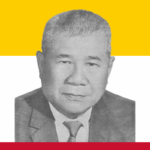
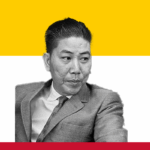
Nguyen Ngoc Tho

Nguyễn Ngọc Thơ (1908–1976) was a prominent South Vietnamese politician who served as the Prime Minister of the Republic of Vietnam from 1963 to 1964, following the assassination of President Ngô Đình Diệm. Before becoming Prime Minister, he was Vice President and had a reputation as a moderate leader. Thơ faced a period of political instability and challenges from military factions during his tenure. Despite his short time in office, he remained an influential figure in South Vietnam’s transitional government before retiring from politics.

="timeline-item"
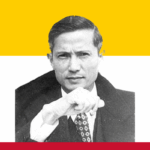
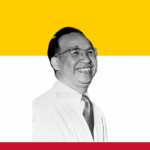
Nguyen Khanh

Nguyễn Khánh (1927–2013) was a South Vietnamese military officer and politician who served as Prime Minister and Chief of State of South Vietnam during the early 1960s. He rose to prominence after a coup in January 1964 that deposed General Dương Văn Minh. Nguyễn Khánh’s tenure was marked by political instability, frequent changes in government, and struggles against both internal factions and the communist insurgency. He was eventually ousted in 1965 and later lived in exile, remaining a notable figure in Vietnam’s turbulent military-political history.

="timeline-item"
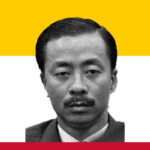
Tran Van Huong

Trần Văn Hương (1902–1982) was a Vietnamese politician who played a significant role during the final years of South Vietnam. He served as Prime Minister of South Vietnam twice, first briefly in 1964 and then in 1975 during the collapse of the Republic of Vietnam. Known for his conservative and anti-communist stance, Hương attempted to stabilize the government amid political chaos and the advancing North Vietnamese forces. His tenure was marked by short-lived reforms and efforts to maintain order before the fall of Saigon.

="timeline-item"
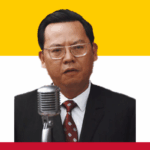
Phan Huy Quat

Phan Huy Quát (1908–1979) was a Vietnamese politician and physician who briefly served as the Prime Minister of the Republic of Vietnam in 1965. A well-educated and moderate figure, he was known for his integrity and commitment to national unity during a period of intense political instability and conflict in South Vietnam. Quát focused on administrative reform and attempted to stabilize the government amid military influence and political turmoil. Despite his short tenure, he remained respected for his dedication to public service.

="timeline-item"
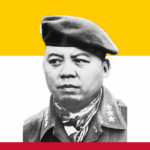
Nguyen Cao Ky

Nguyễn Cao Kỳ (1930–2011) was a prominent South Vietnamese military officer and politician. He served as the Prime Minister of South Vietnam from 1965 to 1967 during the Vietnam War. A charismatic and sometimes controversial figure, Kỳ was known for his flamboyant style, strong anti-communist stance, and efforts to stabilize the South Vietnamese government amid political turmoil. Later, he became Vice President under Nguyễn Văn Thiệu. After the fall of Saigon in 1975, he lived in exile, eventually returning to Vietnam in his later years.

="timeline-item"
Nguyen Van Loc

Nguyễn Văn Lộc was a Vietnamese political figure known for his contributions to the government and public service. Although not as widely recognized internationally as some other Vietnamese leaders, he played a key role in local governance and administrative reforms. His career was marked by dedication to policy implementation, regional development, and supporting the Communist Party of Vietnam’s initiatives. Nguyễn Văn Lộc’s work helped strengthen bureaucratic efficiency and contributed to Vietnam’s socio-economic development during his tenure in public office.

="timeline-item"
Tran Thien Khiem

Trần Thiện Khiêm (1925–2021) was a prominent Vietnamese military officer and politician. He served as the Prime Minister of South Vietnam from 1969 to 1975 during the Vietnam War, playing a key role in the nation’s political and military strategies. Prior to this, he held several high-ranking military positions and was involved in critical government decisions during the turbulent years of the Republic of Vietnam. His tenure ended with the fall of Saigon in 1975.

="timeline-item"
Nguyen Ba Can

Nguyễn Bá Cẩn (1927–2009) was a South Vietnamese politician who briefly served as Prime Minister of the Republic of Vietnam in 1975, during the final weeks before the fall of Saigon. A lawyer by training, he was known for his integrity and efforts to implement reforms amid political chaos. His tenure was short, lasting only a few months, but he attempted to stabilize the government and improve administrative efficiency. After the fall of Saigon, he lived in exile, continuing to advocate for Vietnamese democracy and human rights until his death.

="timeline-item"
Vu Van Mau

Vũ Văn Mẫu (1914–1998) was a Vietnamese diplomat, lawyer, and politician, best known for serving as the last Prime Minister of South Vietnam in 1975. He took office during the final days of the Vietnam War, leading the government through the surrender to North Vietnamese forces. A staunch advocate for peace and national unity, Mẫu opposed the continuation of the war and worked to minimize civilian suffering. After reunification, he lived a quiet life, respected for his integrity and dedication to the nation.

="timeline-item"
Pham Van Dong

Phạm Văn Đồng (1906–2000) was a prominent Vietnamese revolutionary and statesman who served as Prime Minister of North Vietnam from 1955 to 1976 and of a unified Vietnam from 1976 to 1987. A close ally of Hồ Chí Minh, he played a crucial role during the Vietnam War, managing domestic administration and international diplomacy. Phạm Văn Đồng oversaw post-war reconstruction and economic stabilization, laying foundations for Vietnam’s modernization. He is remembered for his dedication to national independence, socialist development, and pragmatic governance.

="timeline-item"
Vo Van Kiet

Võ Văn Kiệt (1922–2008) was a prominent Vietnamese revolutionary and reformist politician who served as Prime Minister from 1991 to 1997. He played a key role in implementing the Đổi Mới economic reforms, promoting market-oriented policies, foreign investment, and modernization while maintaining socialist principles. Known for his pragmatic approach, Kiệt emphasized infrastructure development, industrial growth, and poverty reduction. His leadership helped Vietnam transition from a war-torn economy to a period of rapid growth and international integration.

="timeline-item"
Phan Van Khai

Phan Văn Khải (1933–2018) was the Prime Minister of Vietnam from 1997 to 2006. He played a pivotal role in continuing the economic reforms initiated under his predecessor, Võ Văn Kiệt, emphasizing modernization, infrastructure development, and market-oriented policies. Khải focused on integrating Vietnam into the global economy, attracting foreign investment, and improving living standards. Known for his pragmatic leadership and diplomatic skills, he helped Vietnam achieve significant economic growth and stability, strengthening both domestic governance and international relations during his tenure.

="timeline-item"
Nguyen Tan Dung

Nguyễn Tấn Dũng (1949–) served as the Prime Minister of Vietnam from 2006 to 2016. A member of the Communist Party of Vietnam, he played a crucial role in steering Vietnam through a period of rapid economic growth and global integration. His tenure focused on strengthening infrastructure, attracting foreign investment, and modernizing state-owned enterprises. Despite facing challenges such as corruption and environmental concerns, Nguyễn Tấn Dũng’s leadership contributed significantly to Vietnam’s development and its rising influence in international trade and regional diplomacy.

="timeline-item"
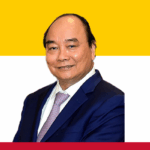
Nguyen Xuan Phuc

Nguyễn Xuân Phúc (born 1954) served as the Prime Minister of Vietnam from 2016 to 2021. A member of the Communist Party of Vietnam, he focused on economic stability, foreign investment, and modernization. During his tenure, Vietnam experienced robust GDP growth and strengthened international relations. Phúc emphasized administrative reforms, anti-corruption measures, and social development programs, including healthcare and education improvements. In 2021, he transitioned to the role of President of Vietnam, continuing his influence in national governance and policy-making.

="timeline-item"
Pham Minh Chinh

Phạm Minh Chính (born 1958) is the current Prime Minister of Vietnam, assuming office in April 2021. A veteran member of the Communist Party of Vietnam, he previously served as head of the Party’s Organization Commission, gaining recognition for his administrative skills and anti-corruption efforts. As Prime Minister, Chính has focused on post-pandemic economic recovery, digital transformation, and socio-economic development, emphasizing sustainable growth, innovation, and modernization of public administration to enhance Vietnam’s global competitiveness.

List of Prime Ministers of Vietnam

Hồ Chí Minh (1945–1955) – Although more famous as the President and revolutionary leader, Hồ Chí Minh also served as the first Prime Minister of the Democratic Republic of Vietnam, laying the foundation for the socialist government after the August Revolution of 1945.

Phạm Văn Đồng (1955–1976) – Succeeded Hồ Chí Minh and led North Vietnam through the intensification of the Vietnam War. Later became the first Prime Minister of a unified Vietnam in 1976, overseeing the post-war reconstruction.

Phạm Hùng (1987–1988) – Known for his work in consolidating the administration during a transitional period in the late 1980s.

Võ Văn Kiệt (1991–1997) – Famous for his reformist policies, Kiệt played a key role in introducing Đổi Mới (economic renovation), encouraging private enterprise, foreign investment, and integrating Vietnam into the global economy.

Phan Văn Khải (1997–2006) – Continued the economic liberalization initiated under Kiệt, focusing on modernization, infrastructure development, and fostering international relations.

Nguyễn Tấn Dũng (2006–2016) – Oversaw significant economic growth and Vietnam’s increasing presence in global trade, while also handling challenges such as corruption and climate change issues.

Nguyễn Xuân Phúc (2016–2021) – Prioritized economic stability, foreign investment, and social reforms, emphasizing sustainable growth and modernization.

Phạm Minh Chính (2021–Present) – The current Prime Minister, known for focusing on post-pandemic recovery, digital transformation, and strategic socio-economic development plans for Vietnam.

The office of the Prime Minister in Vietnam has evolved from revolutionary leadership to modern governance, balancing party directives with the demands of a rapidly developing economy. These leaders have not only directed domestic policy but have also strengthened Vietnam’s position on the international stage, reflecting the country’s journey from wartime struggles to a dynamic, emerging economy.

Back to top of page