PRIME MINISTERS OF IRAQ
Introduction
The office of the Prime Minister of Iraq has played a central role in shaping the country’s political direction since the creation of the modern Iraqi state in 1921. Over the decades, Iraq has experienced monarchy, republic, authoritarian rule, foreign intervention, and democratic transition. Each phase influenced the authority, responsibilities, and challenges faced by its prime ministers. From early nation-building efforts to post-2003 reconstruction, Iraqi prime ministers have stood at the heart of governance and reform.
LIST OF PRIME MINISTERS OF IRAQ

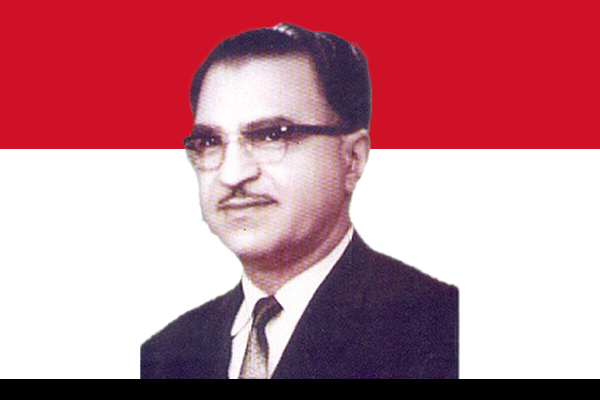

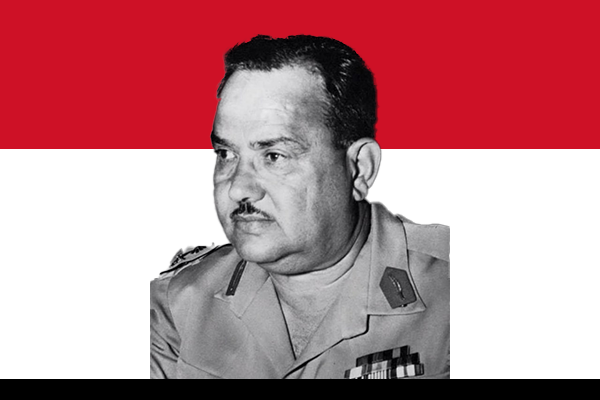
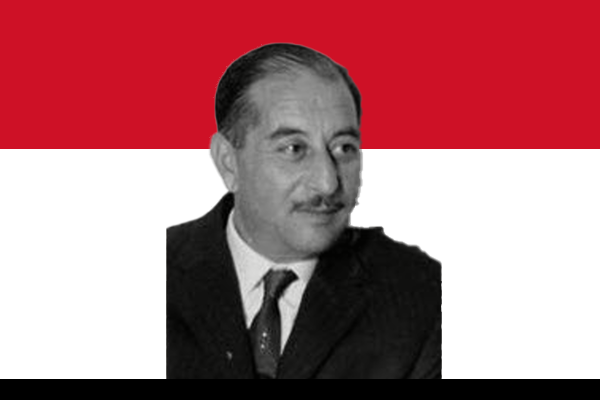
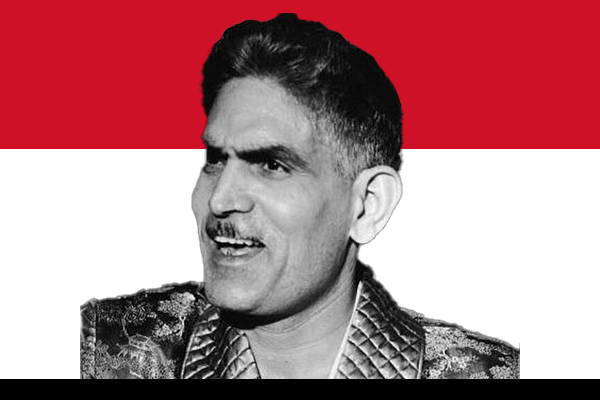
Prime Ministers during the Monarchy (1921–1958)
Iraq’s first Prime Minister, Abdul Rahman al-Gillani, assumed office in 1920 during the British Mandate period. During the monarchy under King Faisal I and his successors, prime ministers such as Nuri al-Said dominated Iraqi politics. Nuri al-Said served multiple terms and became one of the most influential figures of the era. Prime ministers during this period focused on state institutions, relations with Britain, and balancing internal ethnic and sectarian interests. However, political instability and repeated cabinet changes weakened democratic development.
Republican Era and Political Turbulence (1958–1968)
The 1958 revolution ended the monarchy and introduced a republic led initially by Abdul Karim Qasim, who combined the roles of Prime Minister and leader. His government pursued land reforms and an independent foreign policy. After his overthrow in 1963, Iraq saw rapid leadership changes, reflecting military coups and ideological struggles. Prime ministers in this era faced intense political pressure and limited stability.
Ba’ath Party Rule (1968–2003)
Following the Ba’ath Party’s rise to power in 1968, the role of prime minister became closely linked to the presidency. Ahmed Hassan al-Bakr served as both President and Prime Minister, while Saddam Hussein later consolidated authority, formally becoming Prime Minister in 1979. Under Saddam, real power concentrated in his hands, and the prime ministerial position functioned largely within an authoritarian system. This era included major events such as the Iran–Iraq War, the Gulf War, and years of international sanctions.
Post-2003 Democratic Transition
After the 2003 invasion, Iraq adopted a new political system with an elected parliament and a stronger prime ministerial role. Ayad Allawi became the first interim Prime Minister, followed by Ibrahim al-Jaafari. Nouri al-Maliki served two terms and focused on security and central authority, though his tenure remained controversial. Later prime ministers such as Haider al-Abadi, Adel Abdul Mahdi, Mustafa al-Kadhimi, and Mohammed Shia’ al-Sudani have dealt with rebuilding institutions, combating terrorism, managing economic reforms, and addressing public demands for accountability.
Conclusion
The history of Iraq’s prime ministers reflects the country’s complex political journey. From monarchy to dictatorship and toward democratic governance, each prime minister has faced unique challenges. Understanding their roles provides valuable insight into Iraq’s past struggles and its ongoing efforts toward stability and development.