PRESIDENTS OF ITALY
Presidents of Italy: Guardians of the Republic
Italy, a parliamentary republic, has maintained a stable political system since adopting its Constitution in 1948. The President of Italy serves as the head of state, acting as a symbol of national unity and guardian of the Constitution. While the role is largely ceremonial, the President wields significant influence during political crises, the formation of governments, and the defense of democratic principles. Over the decades, several Presidents have left lasting impacts on Italian politics, society, and international relations.
LIST OF PRESIDENTS OF ITALY

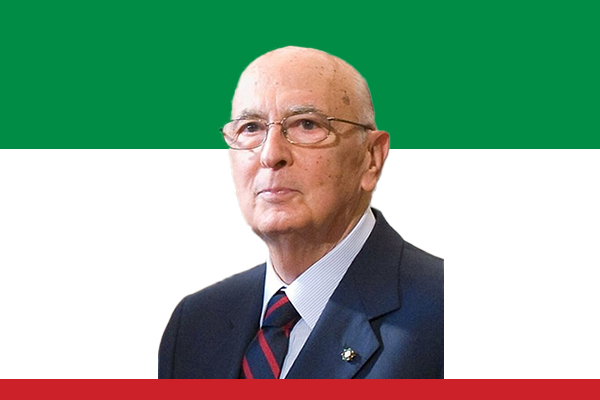
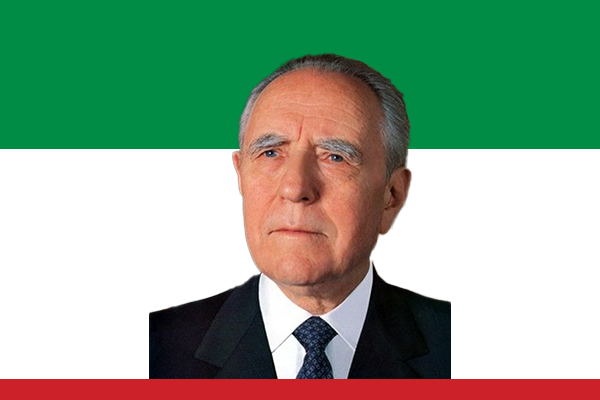
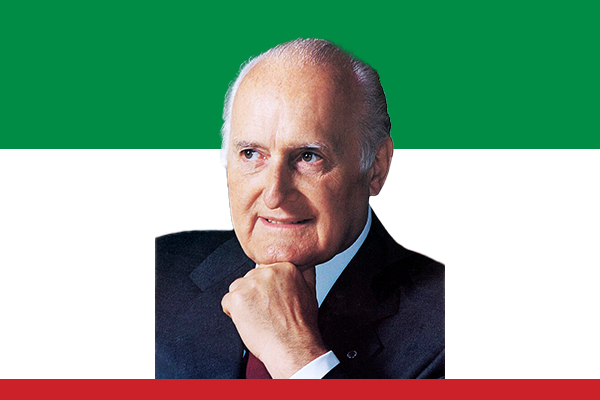
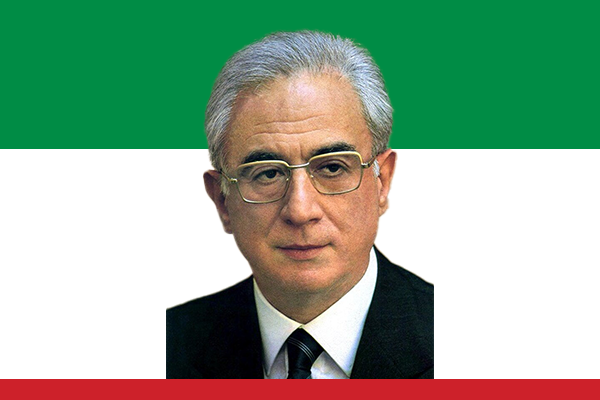

Role and Responsibilities
The President of Italy represents the unity of the nation. They actively ensure that the Constitution is respected and that political processes function smoothly. The President appoints the Prime Minister and, on their advice, approves ministers. During times of parliamentary deadlock or political instability, the President intervenes to facilitate government formation. Additionally, they serve as the commander-in-chief of the armed forces and sign international treaties, ensuring Italy’s sovereignty and global commitments.
Early Presidents
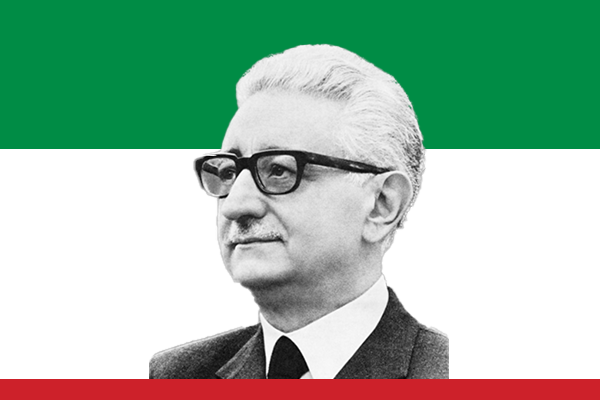
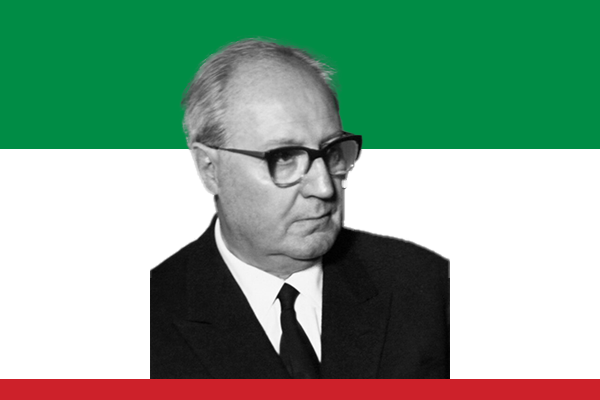
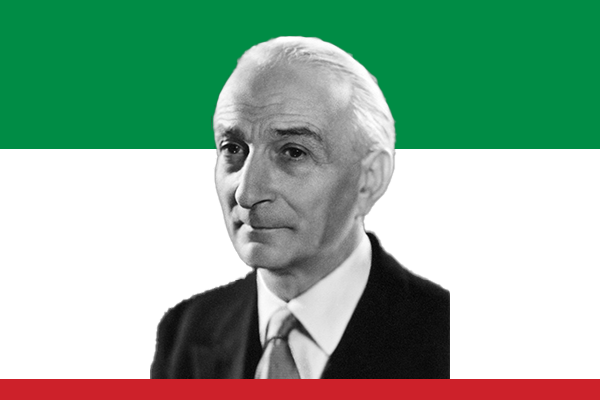
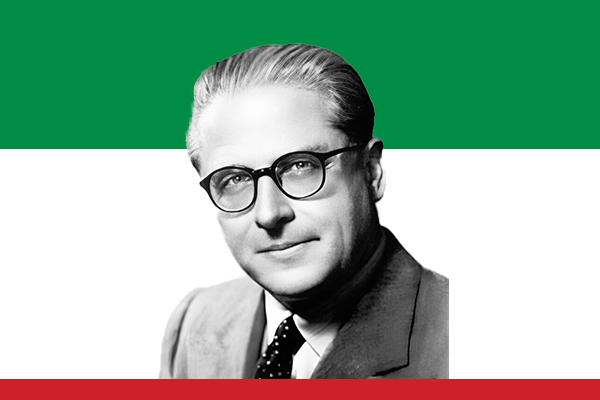
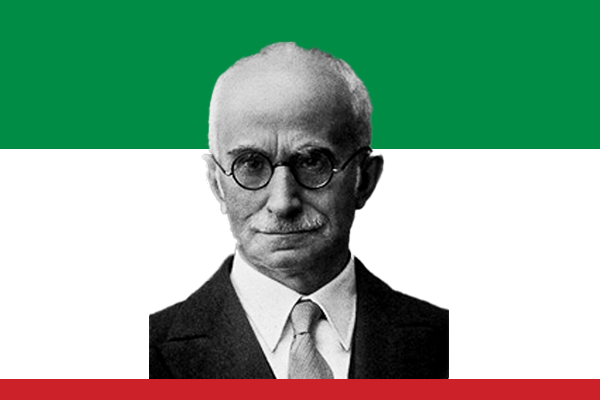
Enrico De Nicola became Italy’s first President in 1946, serving as a transitional figure during the establishment of the Republic. He actively guided the nation through its early post-war years. Following him, Luigi Einaudi (1948–1955) strengthened Italy’s economic and financial policies, reflecting his background as an economist. Giovanni Gronchi (1955–1962) emphasized social and economic reforms, while Antonio Segni (1962–1964) navigated complex political alliances, shaping the nation’s domestic policies.
Notable Presidents
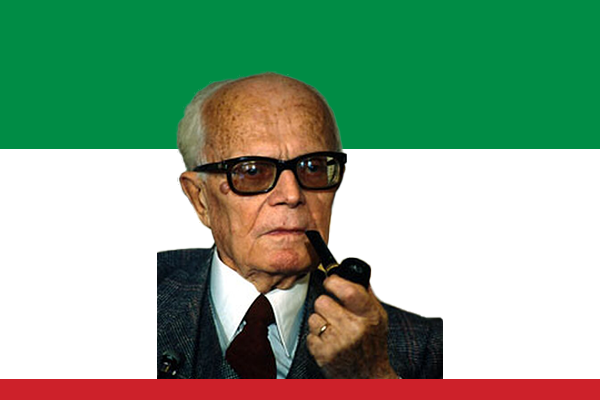
Sandro Pertini (1978–1985) remains one of the most beloved Italian Presidents, actively promoting democracy and social justice. His tenure coincided with a period of political and economic challenges, yet he maintained public trust through transparency and empathy. Oscar Luigi Scalfaro (1992–1999) defended the Constitution during times of corruption scandals and political upheaval, emphasizing the importance of rule of law. More recently, Giorgio Napolitano (2006–2015) actively guided Italy through economic crises and governmental transitions, demonstrating the stabilizing role of the presidency.
Influence on Italian Politics
Although the President of Italy cannot directly pass laws, they actively influence politics by ensuring governmental continuity and representing Italy internationally. Presidents also play a moral role, advocating for democratic values, human rights, and social cohesion. By balancing ceremonial duties with constitutional powers, Italian Presidents contribute to the nation’s stability and global reputation.
The Presidents of Italy have collectively shaped the nation’s political, social, and cultural landscape. From the early post-war leaders to contemporary figures, they actively safeguard democracy, uphold the Constitution, and symbolize the unity of the Italian Republic.