PRIME MINISTERS OF SWEDEN
Prime Ministers of Sweden
The office of Prime Minister in Sweden stands at the center of the country’s political system. As a parliamentary democracy, Sweden entrusts executive authority to the prime minister, who leads the government, shapes national policy, and represents the country internationally. Over time, Swedish prime ministers have guided the nation through periods of reform, economic development, and social transformation.
LIST OF PRIME MINISTERS OF SWEDEN
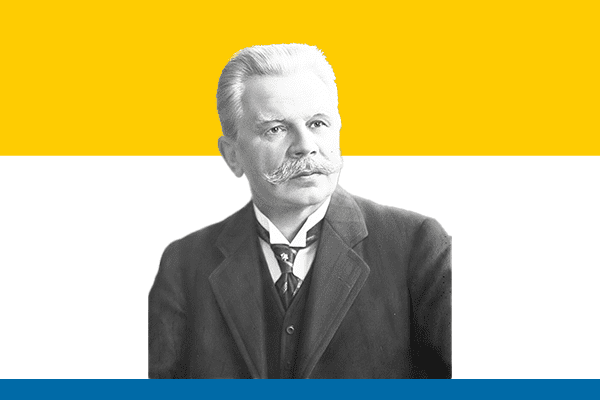

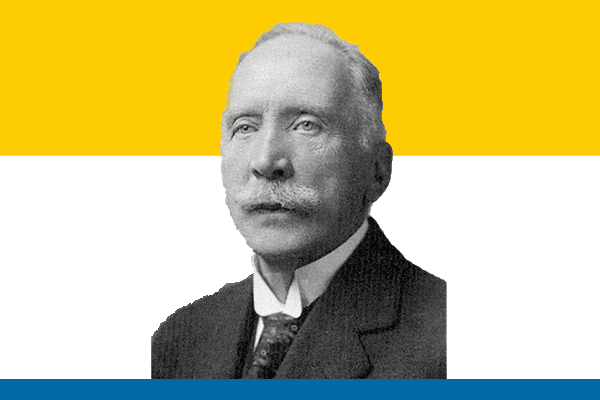
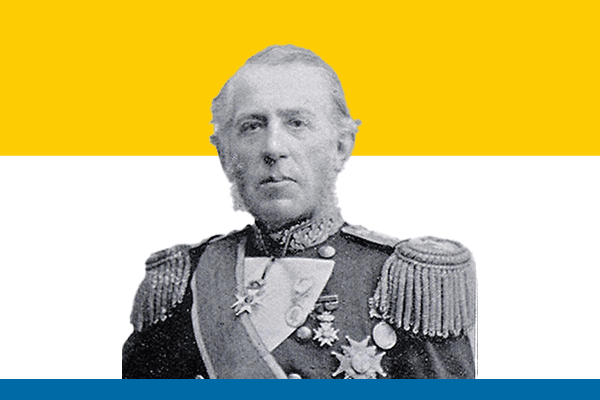
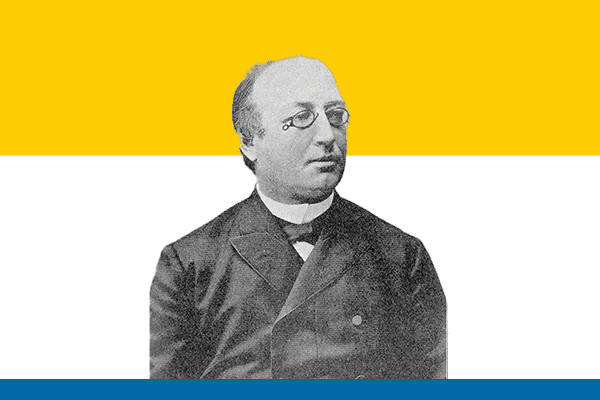
Origins of the Office
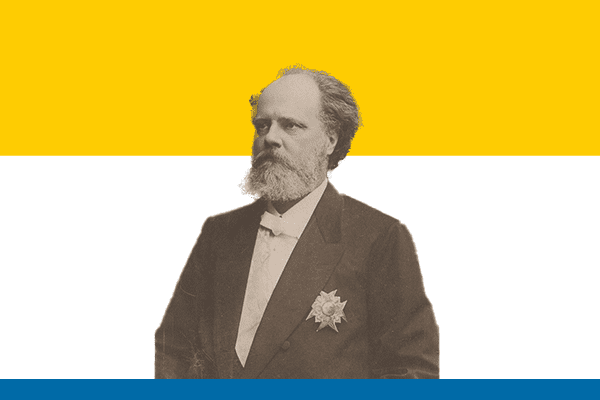
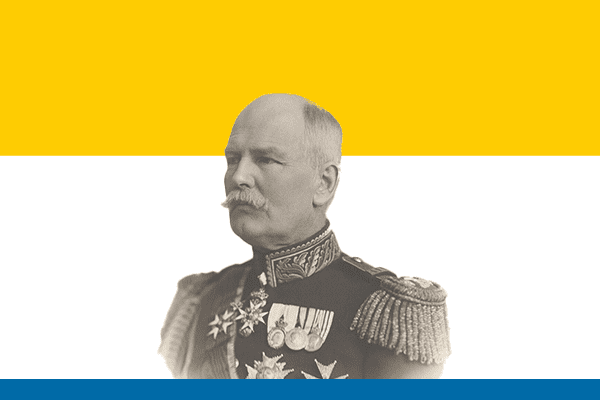
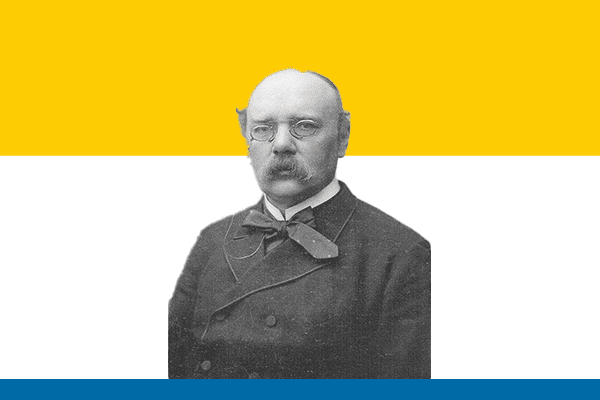
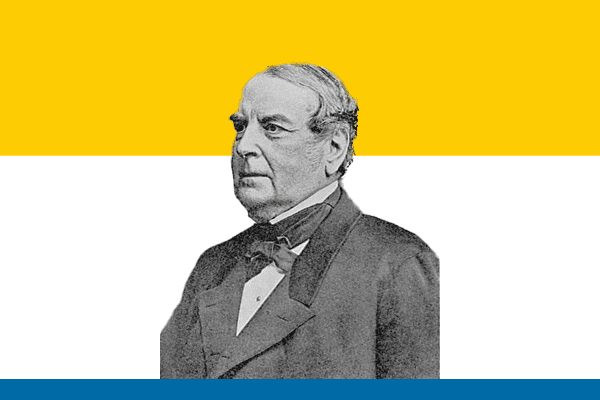
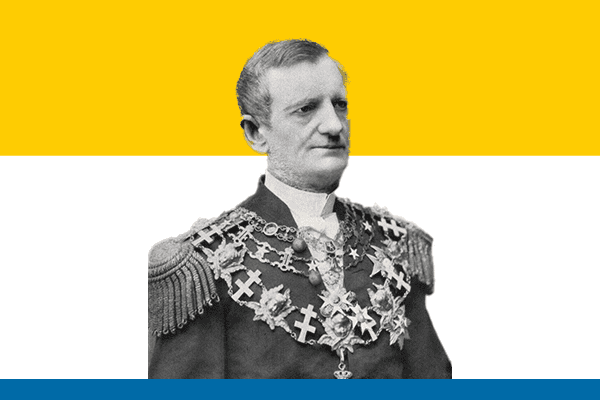
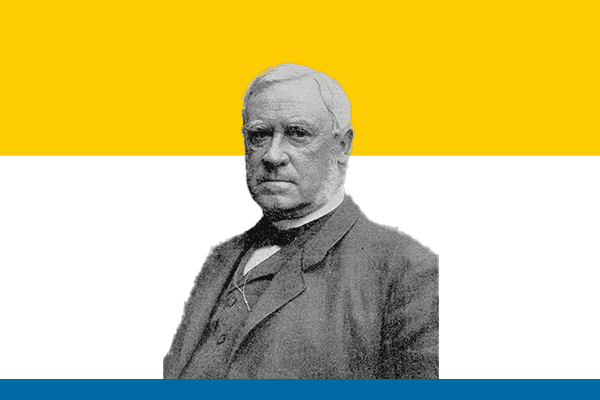
Sweden formally established the position of Prime Minister in 1876. Before that, the king exercised significant executive power. However, political reforms gradually shifted authority toward elected representatives. Louis De Geer became the first prime minister and played a key role in modernizing Sweden’s political structure. He actively promoted parliamentary governance and laid the foundation for democratic leadership.
Development Through the 20th Century
During the 20th century, Sweden experienced major political and social changes under the leadership of influential prime ministers. Hjalmar Branting, the first Social Democratic prime minister, advanced workers’ rights and democratic reforms. His leadership helped establish Sweden’s welfare-oriented policies.
Later, Tage Erlander served for over two decades, making him one of the longest-serving leaders in Swedish history. He actively expanded the welfare state, improved education, and strengthened public institutions. His tenure brought stability and growth, shaping modern Sweden.
Olof Palme also stands out as a prominent figure. He led Sweden with a strong voice on international issues, advocating for peace, equality, and social justice. His leadership gained global recognition, although his assassination in 1986 marked a tragic moment in Swedish history.
Modern Leadership
In recent decades, Swedish prime ministers have continued to adapt to changing political and economic conditions. Fredrik Reinfeldt focused on economic reforms, employment, and fiscal responsibility. He introduced policies that encouraged growth while maintaining Sweden’s welfare model.
Following him, Stefan Löfven led coalition governments and emphasized social equality, labor rights, and international cooperation. His leadership reflected the challenges of managing a diverse and evolving society.
Currently, Ulf Kristersson serves as prime minister. He actively addresses issues such as crime, economic stability, and national security. His leadership represents a shift toward center-right policies in Swedish politics.
Role and Responsibilities
The prime minister of Sweden leads the government, appoints ministers, and directs national policy. Unlike earlier periods when monarchs held power, today’s prime minister operates within a democratic framework and remains accountable to parliament. The role requires active decision-making, negotiation, and leadership in both domestic and international affairs.
Conclusion
The history of Sweden’s prime ministers reflects the country’s journey toward democracy, equality, and stability. From early reformers to modern leaders, each prime minister has contributed to shaping Sweden’s identity. Through active governance and commitment to public service, they continue to guide the nation in an ever-changing world.