PRIME MINISTERS OF THAILAND
Prime Ministers of Thailand
The Prime Minister of Thailand is the head of government and plays a central role in shaping the country’s political direction. Since the abolition of absolute monarchy in 1932, Thailand has experienced frequent political changes, including military coups, constitutional reforms, and democratic transitions. These shifts are clearly reflected in the long and diverse list of prime ministers.
LIST OF PRIME MINISTERS OF THAILAND

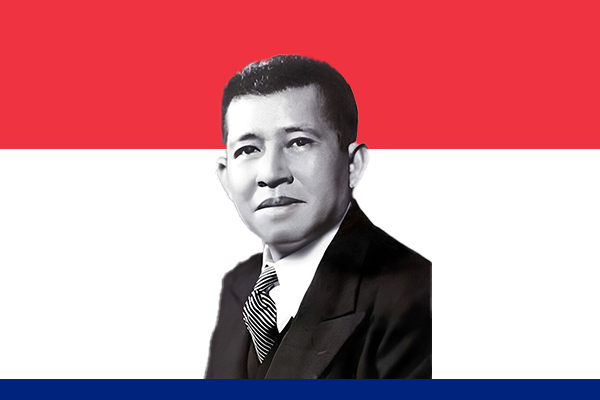
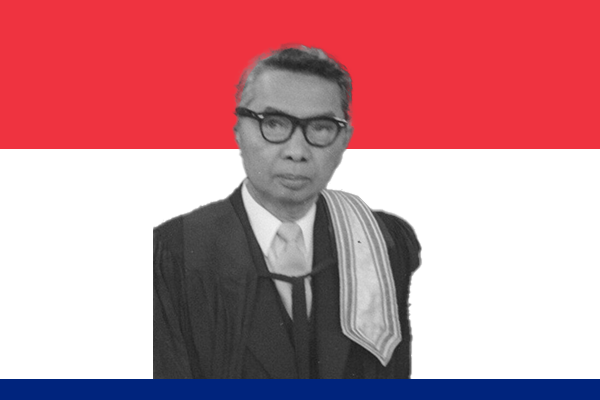
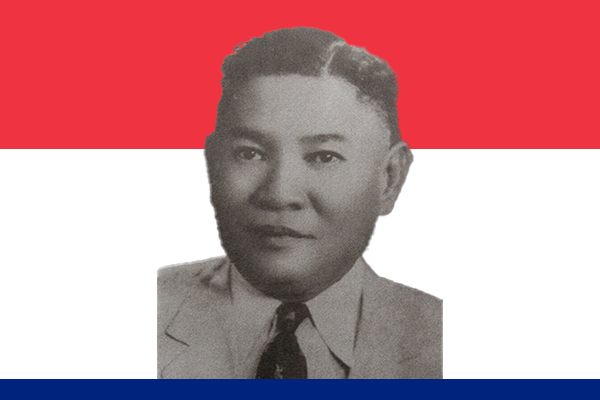


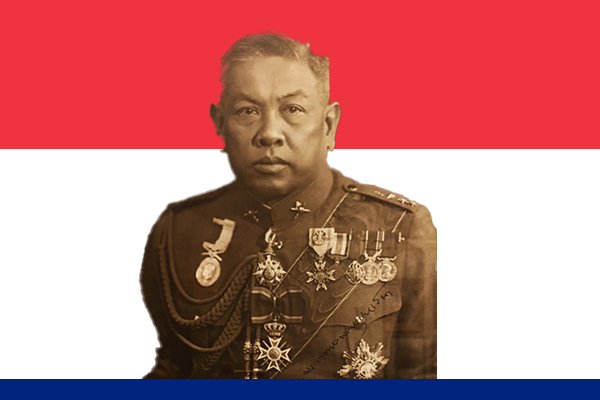
Early Prime Ministers and Constitutional Change
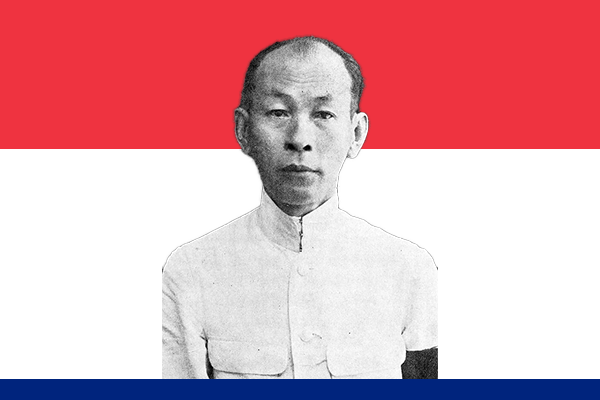
Thailand’s first prime minister, Phraya Manopakorn Nititada, took office in 1932 after the country became a constitutional monarchy. His tenure marked the beginning of parliamentary governance, though early politics remained unstable. Soon after, Field Marshal Plaek Phibunsongkhram emerged as a dominant figure. Serving multiple terms between 1938 and 1957, he promoted nationalism, modernization, and a strong military-led state, leaving a lasting impact on Thai political culture.
Military Leadership and Political Instability
For several decades, Thailand was largely governed by military leaders. Prime ministers such as Field Marshal Sarit Thanarat and Thanom Kittikachorn ruled during periods of authoritarian control. Their governments focused on economic development and close relations with Western powers, but restricted political freedoms. Repeated coups during this era prevented long-term democratic stability.
Steps Toward Democracy
The late 20th century saw growing demands for democracy. Prem Tinsulanonda, who served from 1980 to 1988, provided relative stability through a semi-democratic system supported by both the military and the monarchy. Later, leaders like Chuan Leekpai, who served two non-consecutive terms, strengthened parliamentary institutions and promoted economic reforms, especially during the Asian financial crisis.
Thaksin Era and Political Polarization
A major turning point came with Thaksin Shinawatra, prime minister from 2001 to 2006. His populist policies gained strong support from rural voters, but critics accused him of corruption and abuse of power. His removal by a military coup deepened political divisions, which continued to influence Thai politics for years.
Recent Prime Ministers
Following Thaksin, Thailand experienced frequent leadership changes. Yingluck Shinawatra, the country’s first female prime minister, served from 2011 to 2014 before being removed amid political unrest. Prayut Chan-o-cha, a former army chief, became prime minister after the 2014 coup and later continued in office through elections, symbolizing the military’s enduring influence.
In recent years, Thailand has continued to navigate tensions between democratic aspirations and traditional power structures. The history of Thai prime ministers reflects a nation still striving to balance stability, popular representation, and constitutional governance.