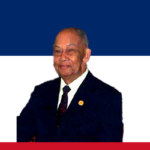
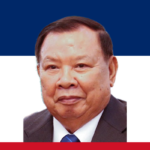
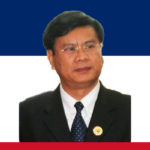
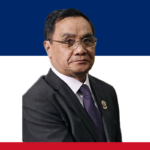
Prime Ministers of Laos

Laos, officially the Lao People’s Democratic Republic, is a landlocked country in Southeast Asia, bordered by Thailand, Vietnam, Cambodia, China, and Myanmar. Since gaining independence from France in 1953 and later establishing a socialist republic in 1975, Laos has had a series of leaders guiding the country’s political, economic, and social development. The role of the Prime Minister in Laos is crucial, as it involves heading the government, implementing policies, and overseeing the administration of the state.

LIST OF PRIME MINISTERS OF LAOS

="timeline-item"
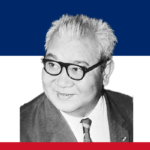
Phetsarath Ratanavongsa

Phetsarath Ratanavongsa (1890–1959) was a prominent Lao nationalist and political leader, often regarded as the father of modern Laos. He played a key role in advocating for Lao independence from French colonial rule and was the first Prime Minister of the Kingdom of Laos under the French Protectorate. Phetsarath championed administrative modernization, education reform, and the preservation of Lao culture. His vision for a unified and independent Laos made him a lasting symbol of patriotism and political foresight in the country’s history.

="timeline-item"
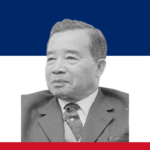
Kindavong

Bounthong Kindavong is a notable Laotian politician who has served as one of the Vice Presidents of Laos. A senior member of the Lao People’s Revolutionary Party, he has been actively involved in implementing national policies, supporting the President, and promoting economic development and social welfare initiatives. Known for his administrative experience and party loyalty, Kindavong plays a key role in governance, representing Laos at official events, and contributing to the stability and continuity of the country’s leadership.

="timeline-item"
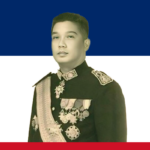
Souvannarath

Prince Souvannarath was a prominent political figure in Laos, serving as Prime Minister from 1947 to 1948 during the early years of the Kingdom of Laos. He was a member of the royal family and played a key role in the transition of Laos from French colonial rule toward independence. Known for his diplomatic skills, Souvannarath worked to maintain national unity and stability amidst political upheaval. His leadership laid the groundwork for future governmental structures in the young nation.

="timeline-item"
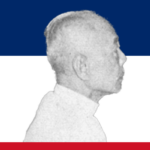
Boun Oum

Boun Oum was a prominent Laotian royal and political figure, serving as the Prime Minister of Laos from 1949 to 1950. Born into the royal family of Champasak, he played a significant role in the country’s post-World War II politics, advocating for national unity and development. Known for his influence in southern Laos, Boun Oum was also a key figure during the early years of Laos’s independence, navigating both domestic and international political challenges while maintaining strong ties with the monarchy and regional leaders.

="timeline-item"
Phoui Sananikone

Phoui Sananikone was a prominent Laotian politician who played a significant role in the mid-20th century politics of Laos. He served as Prime Minister of Laos in multiple terms during the 1950s and early 1960s, navigating the country through a turbulent period marked by political instability and external pressures from regional conflicts. A member of the royalist and conservative faction, Phoui was influential in shaping Laos’s early post-independence government, promoting modernization, and attempting to balance domestic political factions while maintaining ties with Western allies.

="timeline-item"
Souvanna Phouma

Souvanna Phouma was a prominent Laotian political leader, serving as Prime Minister of Laos multiple times between the 1950s and 1970s. Born in 1901 into the royal family, he was known for his moderate and neutralist policies, attempting to balance royalist, communist, and nationalist factions during Laos’s turbulent post-colonial era. Souvanna Phouma played a key role in negotiating peace agreements and promoting national unity, striving to maintain Laos’s sovereignty amid regional conflicts and Cold War pressures until his political influence waned in the 1970s.

="timeline-item"
Katay Don Sasorith

Katay Don Sasorith was a prominent Lao politician and nationalist leader, born in 1904. He played a key role in Laos’s independence movement from French colonial rule and served as Prime Minister of Laos from 1954 to 1956. Katay was known for his strong anti-communist stance and efforts to modernize the country’s administration and education system. He was also an influential writer and diplomat, advocating for Lao sovereignty and national unity until his death in 1959.

="timeline-item"
Kou Abhay

Kou Abhay was a prominent Lao political figure who played a significant role in the country’s government and party leadership. He served in various high-level positions within the Lao People’s Revolutionary Party and the national administration, contributing to policy-making and governance. Kou Abhay was known for his commitment to national development, stability, and the implementation of social and economic reforms. His work helped strengthen the political structure of Laos and left a lasting impact on the country’s leadership framework.

="timeline-item"
Somsanith Vongkotrattana

Somsanith Vongkotrattana was a prominent Laotian political figure and member of the Lao elite who played a significant role in the mid-20th century. Coming from a notable family, he served in various governmental capacities, contributing to the administration and modernization of Laos. His career reflected the political complexities of the era, balancing traditional leadership with emerging national governance structures. Somsanith’s influence extended to policy-making and diplomacy, leaving a lasting legacy in Laos’s political history as a respected statesman.

="timeline-item"
Kaysone Phomvihane

Kaysone Phomvihane (1920–1992) was a revolutionary leader and the founding figure of the Lao People’s Democratic Republic. He served as the first Prime Minister from 1975 to 1991 and later as President until his death in 1992. A key leader of the Lao People’s Revolutionary Party (LPRP), Kaysone played a central role in Laos’s struggle for independence and in establishing a socialist government. He is remembered for his political vision, nation-building efforts, and long-standing influence on Laos’s modern political landscape.

="timeline-item"
Khamtai Siphandone

Khamtai Siphandone (1924–2016) was a prominent Laotian revolutionary and politician who played a pivotal role in the Lao People’s Democratic Republic. He served as Vice President from 1991 to 1998 and later became President of Laos from 1998 to 2006. A veteran of the Lao People’s Revolutionary Party, Khamtai was influential in shaping Laos’s post-war political landscape, strengthening party unity, and guiding economic reforms. His leadership emphasized national stability, modernization, and maintaining Laos’s socialist principles.

="timeline-item"
Sisavath Keobounphanh

Sisavath Keobounphanh (1928–2012) was a prominent Laotian politician who served as Vice President of Laos from 1996 to 2001. A senior member of the Lao People’s Revolutionary Party (LPRP), he played a crucial role in shaping domestic policies and strengthening party organization. Known for his focus on internal security and administrative efficiency, Sisavath contributed to Laos’s political stability during a period of economic and social transition. He also held other key positions, including Prime Minister, demonstrating his lasting influence in Laotian governance.

="timeline-item"
Bounnhang Vorachit

Bounnhang Vorachit is a prominent Laotian politician who served as the Vice President of Laos from 2001 to 2006 before eventually becoming the country’s President from 2016 to 2021. A long-time member of the Lao People’s Revolutionary Party, he played a key role in shaping Laos’s domestic policies, economic reforms, and foreign relations. Known for his strategic leadership and party loyalty, Bounnhang significantly contributed to political stability and development initiatives, strengthening Laos’s position both regionally and internationally.

="timeline-item"
Bouasone Bouphavanh

Bouasone Bouphavanh is a Laotian politician who served as the Prime Minister of Laos from 2006 to 2010. Before becoming Prime Minister, he held several key positions in the Lao People’s Revolutionary Party, including roles in the central party committees and government administration. Known for his focus on economic development, education, and rural infrastructure, Bouasone played a significant role in implementing national policies. His tenure emphasized modernization while maintaining the party’s socialist principles.

="timeline-item"
Thongsing Thammavong

Thongsing Thammavong is a prominent Laotian politician who served as the Vice President of Laos from 2006 to 2011 before becoming the Prime Minister from 2010 to 2016. A senior member of the Lao People’s Revolutionary Party (LPRP), he played a key role in implementing economic reforms, infrastructure development, and strengthening party governance. Known for his administrative experience and political acumen, Thongsing has been influential in Laos’s modernization efforts and maintaining stability within the country’s socialist political system.

="timeline-item"
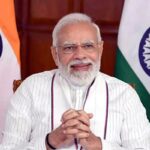
Narendra Modi

Narendra Modi, born 1950, India’s Prime Minister since 2014, is known for his strong leadership, economic reforms, and nationalist vision. A former Chief Minister of Gujarat, he launched initiatives like Make in India, Digital India, and Swachh Bharat. Modi’s tenure has significantly shaped India’s global image and domestic political landscape.

="timeline-item"
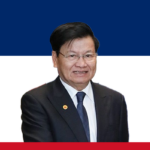
Thongloun Sisoulith

Thongloun Sisoulith is a prominent Laotian politician who has played a central role in the country’s leadership. Born in 1945, he has been a senior member of the Lao People’s Revolutionary Party, serving in various key positions including Prime Minister and President. Known for his focus on economic reform, anti-corruption measures, and regional diplomacy, Thongloun has strengthened Laos’s international relations and domestic governance. His leadership reflects a blend of continuity and modernization within Laos’s political framework, emphasizing stability, development, and strategic planning.

="timeline-item"
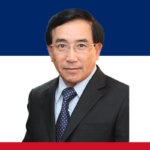
Phankham Viphavanh

Phankham Viphavanh is a prominent Laotian politician who served as Vice President of Laos from 2016 to 2021. A long-time member of the Lao People’s Revolutionary Party (LPRP), he played a key role in supporting social and economic reforms, infrastructure development, and policy implementation. Known for his administrative experience and party loyalty, Phankham was later appointed Prime Minister in 2021, highlighting the vice presidency as a crucial stepping stone in Laos’s political leadership. His tenure strengthened governance and modernization efforts.

="timeline-item"
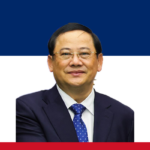
Sonexay Siphandone

Sonexay Siphandone is a prominent Laotian politician currently serving as one of the Vice Presidents of Laos since 2021. A senior member of the Lao People’s Revolutionary Party (LPRP), he has played a key role in shaping the country’s economic and social development policies. Sonexay focuses on sustainable development, youth engagement, and strengthening party directives at both national and regional levels. Coming from a politically influential family, his leadership reflects continuity, stability, and commitment to Laos’s long-term strategic goals.

Notable Prime Ministers of Laos

Prince Souvanna Phouma (1950–1954, 1956–1958, 1960–1975) – Prince Souvanna Phouma was one of the most influential figures in modern Laotian history. A member of the royal family, he led several coalition governments during the turbulent post-independence period, attempting to maintain neutrality amid the Laotian Civil War. His leadership focused on balancing royalist, neutralist, and communist factions, although political instability marked his tenure.

Prince Boun Oum (1948–1950, 1960) – Another royal figure, Prince Boun Oum served briefly as Prime Minister. His term was largely characterized by efforts to consolidate royalist influence in southern Laos and to counter communist movements.

Kaysone Phomvihane (1975–1991) – Following the establishment of the Lao People’s Democratic Republic in 1975, Kaysone Phomvihane became the first Prime Minister of the socialist state. A revolutionary leader, he played a key role in unifying the country under the Lao People’s Revolutionary Party. His tenure emphasized socialist reforms, land redistribution, and establishing ties with Vietnam and other socialist countries.

Khamtai Siphandone (1991–1998) – Khamtai succeeded Kaysone, continuing Laos’ gradual reforms and fostering economic growth. His administration prioritized modernization, infrastructure development, and improving relations with neighboring countries.

Sisavath Keobounphanh (1998–2001) – Sisavath’s tenure focused on administrative reforms and efforts to strengthen government institutions while maintaining the party’s central role in politics.

Bounnhang Vorachith (2001–2006) – Bounnhang oversaw continued economic liberalization and increased Laos’ engagement with regional organizations such as ASEAN.

Thongsing Thammavong (2010–2016) – Thongsing’s leadership centered on economic policy, rural development, and strengthening the party-state apparatus.

Thongloun Sisoulith (2016–2021) – Before becoming President, Thongloun emphasized anti-corruption, economic reforms, and Laos’ increasing integration into regional and global economic systems.

Sonexay Siphandone (2022–Present) – The current Prime Minister, Sonexay, is tasked with navigating Laos’ post-pandemic recovery, infrastructure expansion, and ongoing economic development projects while maintaining the party’s central role.

Over the decades, the Prime Ministers of Laos have shaped the nation’s path from a monarchy to a socialist republic, balancing internal challenges with regional diplomacy. Their leadership reflects the unique political system of Laos, where the Lao People’s Revolutionary Party maintains central control, while the Prime Minister administers government policies and national development strategies.
Back to top of page