The phrase “Kings of the world” typically refers to the most powerful or influential monarchs throughout world history. While there have been thousands of kings across different cultures and civilizations, only a few have had global impact or held significant power that shaped the course of history.
KINGS OF THE WORLD
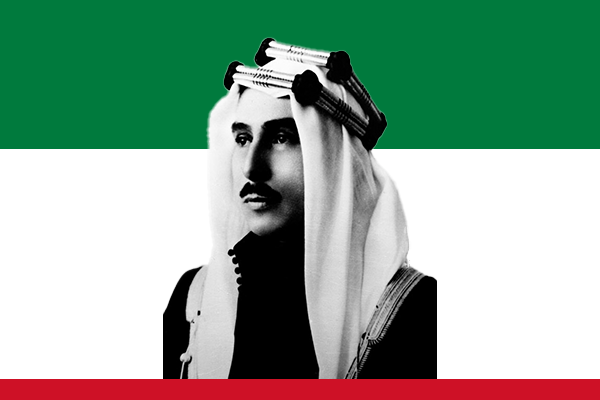
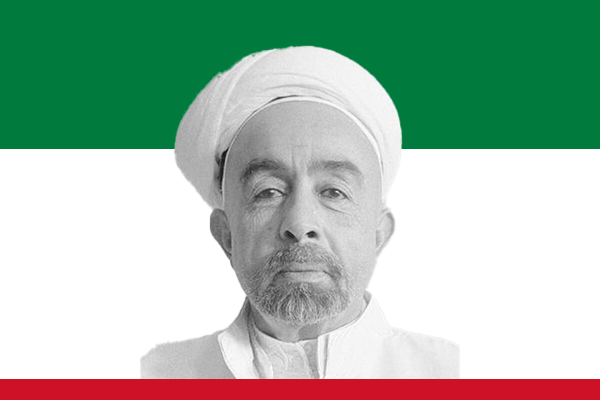
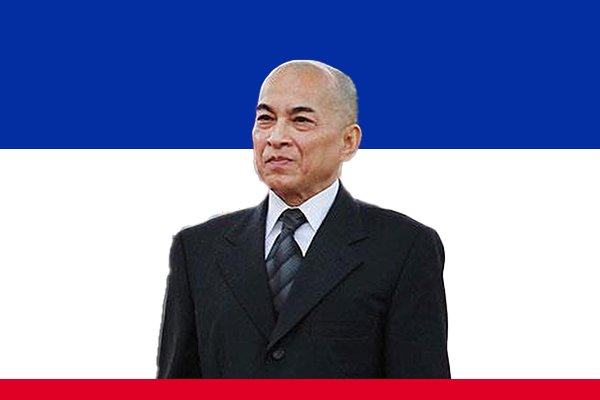
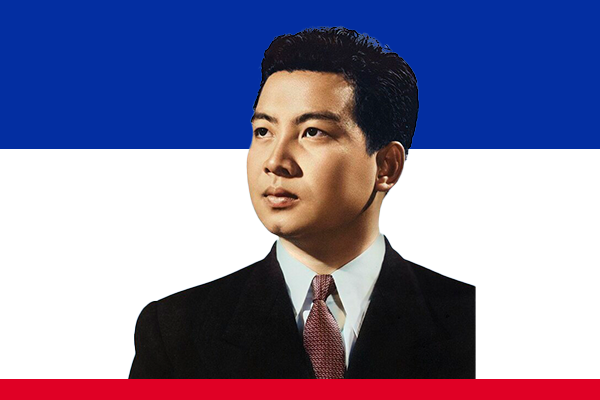
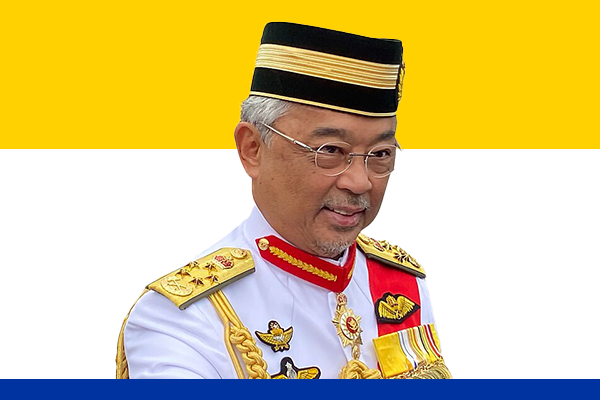

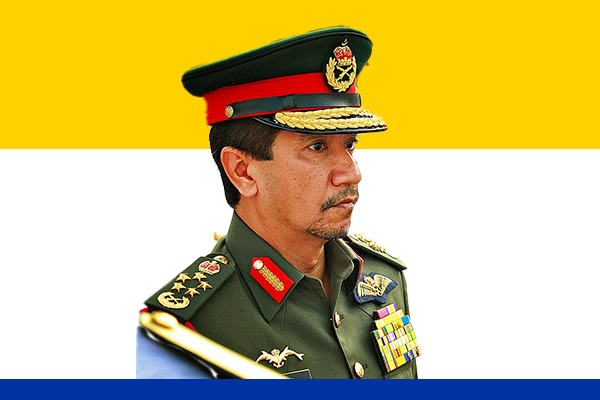
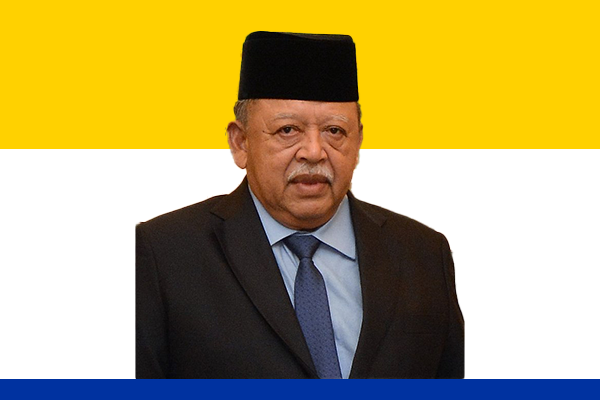
Some Important Kings
1. King Leopold II (Belgium)
Reign: 1865–1909
Notable for: Personally controlled the Congo Free State, leading to mass atrocities.
Legacy: Infamous for brutal colonial rule in Africa.
2. King Edward VII (United Kingdom)
Reign: 1901–1910
Notable for: Symbol of the Edwardian era; improved foreign diplomacy.
Legacy: Helped build good relations with France and Russia (Triple Entente).
3. King George V (United Kingdom)
Reign: 1910–1936
Notable for: Guided Britain through WWI and the decline of empire.
Legacy: Changed royal house name from Saxe-Coburg and Gotha to Windsor.
4. King Alfonso XIII (Spain)
Reign: 1886–1931 (born king)
Notable for: Led Spain during turbulent times; supported dictatorship.
Legacy: Exiled after Spanish Civil War broke out.
5. King Abdulaziz Ibn Saud (Saudi Arabia)
Reign: 1932–1953 (founder of modern Saudi Arabia)
Notable for: United tribes to form the Kingdom of Saudi Arabia.
Legacy: Established one of the most powerful monarchies in the Middle East.
6. King Farouk I (Egypt)
Reign: 1936–1952
Notable for: Lavish lifestyle, fell from power after 1952 revolution.
Legacy: Last king of Egypt before it became a republic.
7. King Bhumibol Adulyadej (Rama IX) (Thailand)
Reign: 1946–2016
Notable for: Longest-reigning monarch in Thai history.
Legacy: Beloved for stability, reforms, and guidance during crises.
8. King Hussein of Jordan
Reign: 1952–1999
Notable for: Ruled during Arab-Israeli conflicts; modernized Jordan.
Legacy: Peacemaker; signed peace treaty with Israel in 1994.
9. King Mohammed VI (Morocco)
Reign: 1999–present
Notable for: Reforms in women’s rights, economy, and foreign relations.
Legacy: Progressive but retains significant royal power.
10. King Charles III (United Kingdom)
Reign: 2022–present
Notable for: Took the throne after Queen Elizabeth II; known for environmental advocacy.
Legacy (ongoing): Modernizing the monarchy in a rapidly changing UK.
Few Important Roles of Kings in History
Warfare and Protection:
- Defending the kingdom from invaders or expanding it.
- Leading armies (e.g., Alexander, Genghis Khan).
Law and Justice:
- Creating and enforcing laws (e.g., Hammurabi’s Code).
- Acting as supreme judge in the kingdom.
Religion and Culture:
- Patronizing religions, temples, and traditions.
- Some were considered gods (e.g., Egyptian pharaohs).
Administration and Governance:
- Appointing ministers, collecting taxes, running the state.
- Centralizing or decentralizing power.
Diplomacy:
- Making alliances, negotiating treaties (e.g., Ramses II’s peace treaty).
