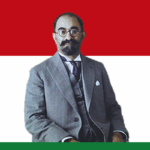
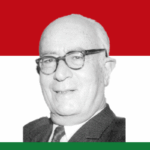
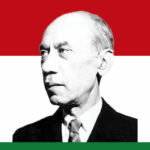
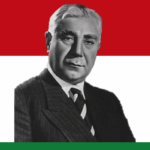
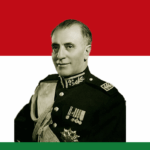
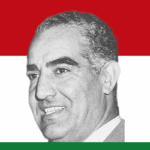
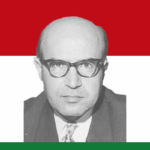
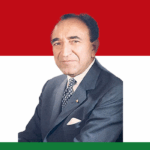
Major Prime Ministers of Iran
Hasan Pirnia – Served several times in the early 20th century during the Qajar era and was an important constitutional statesman.
Ahmad Qavam (Qavam os-Saltaneh) – Served five times between 1921 and 1952 and was one of Iran’s most experienced political leaders.
Mohammad-Ali Foroughi – A respected intellectual and statesman who served multiple terms under both Qajar and Pahlavi rule.
Ali Soheili – Served during World War II and handled difficult relations with Allied powers.
Mohammad Sa’ed – Served twice in the 1940s and dealt with post-war political pressures.
Morteza-Qoli Bayat – Prime minister during a turbulent wartime period.
Ebrahim Hakimi – Served multiple times and was active in the transition period after World War II.
Ali Mansur – Served in 1940–41 and again in 1950.
Ali Razmara – Prime minister from 1950 to 1951; known for opposing immediate oil nationalization before his assassination.
Mohammad Mosaddegh – Prime minister from 1951 to 1953; famous for nationalizing the Iranian oil industry and later being overthrown in the 1953 coup.
Fazlollah Zahedi – Served from 1953 to 1955 after the coup against Mosaddegh.
Hossein Ala’ – Served in the mid-1950s during the consolidation of the Shah’s rule.
Manouchehr Eghbal – Prime minister from 1957 to 1960 during the Pahlavi modernization period.
Ali Amini – Served from 1961 to 1962 and was known for reform efforts.
Asadollah Alam – Prime minister from 1962 to 1964 under Shah Mohammad Reza Pahlavi.
Hassan Ali Mansur – Served from 1964 to 1965 before being assassinated.
Amir-Abbas Hoveyda – The longest-serving prime minister of Iran, in office from 1965 to 1977.
Jamshid Amouzegar – Served from 1977 to 1978 during rising unrest.
Jafar Sharif-Emami – Returned to office in 1978 during the crisis before the revolution.
Gholam Reza Azhari – Led a military government in late 1978.
Shapour Bakhtiar – The last prime minister under the Shah, serving from January to February 1979.
Mehdi Bazargan – First prime minister after the 1979 Islamic Revolution; headed the provisional government.
Mohammad-Ali Rajai – Prime minister from 1980 to 1981, later became president.
Mir-Hossein Mousavi – Prime minister from 1981 to 1989 and the last person to hold the office before it was abolished.
Conclusion
The prime ministers of Iran played a central role in the country’s political transformation from monarchy to republic. Leaders like Mosaddegh, Bazargan, and Mousavi are especially remembered for shaping modern Iranian history. After 1989, the position was removed, making the president the chief executive authority in Iran.