PRIME MINISTERS OF UNITED KINGDOM
Prime Ministers of the United Kingdom
The Prime Ministers of the United Kingdom have played a central role in shaping the country’s political system, domestic policies, and international influence. Although the office of Prime Minister is not formally established by a single law, it has evolved into the most powerful political position in the UK. Since the early 18th century, British Prime Ministers have led governments during times of war, industrial growth, social reform, and global change. From Sir Robert Walpole, often regarded as the first Prime Minister, to the modern leaders of today, each has left a distinct mark on British history.
LIST OF PRIME MINISTERS OF UNITED KINGDOM



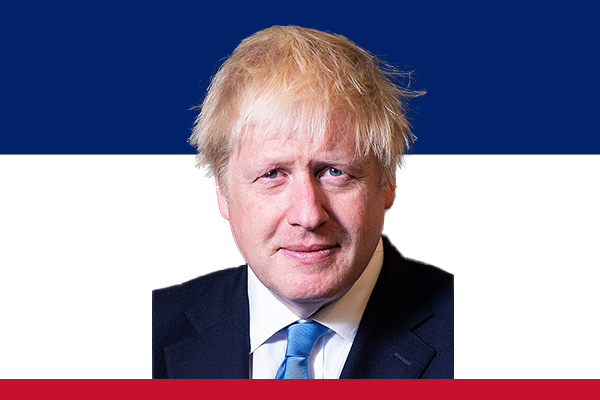
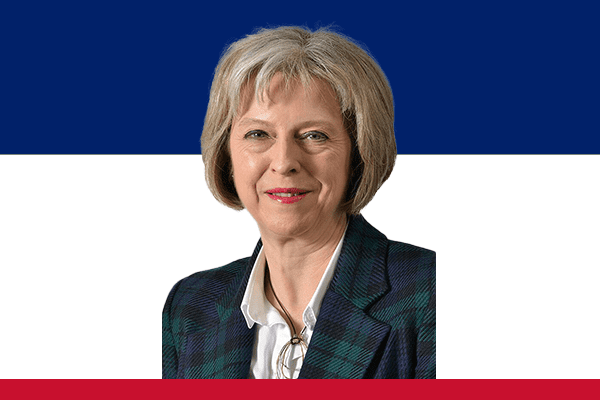


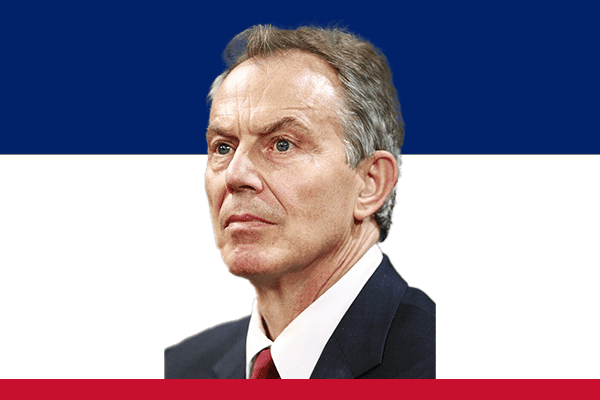

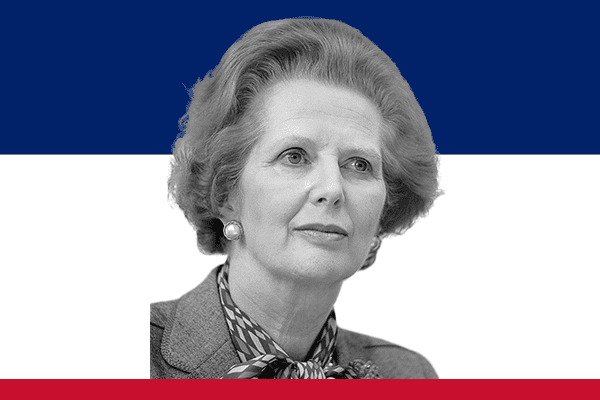
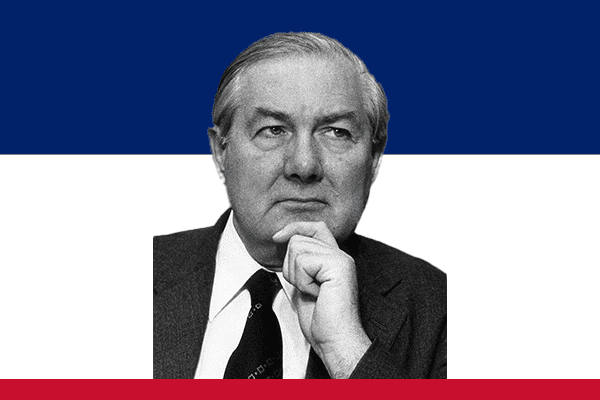
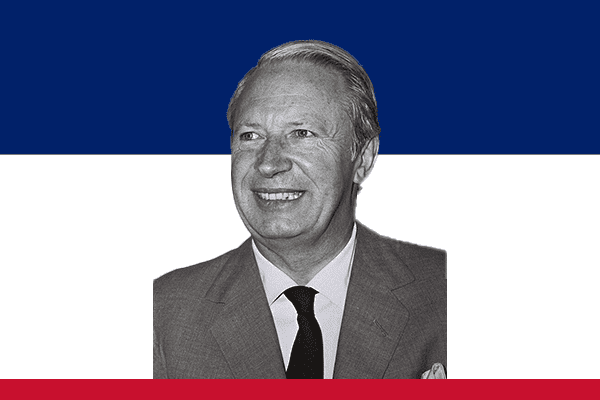
List of Prime Ministers of the United Kingdom
1. Sir Robert Walpole (1721–1742)
Widely considered the first Prime Minister, Walpole established the foundations of cabinet government and long-term political leadership.
2. William Pitt the Elder and William Pitt the Younger
Both were highly influential. William Pitt the Younger became the youngest Prime Minister in British history and led during the Napoleonic era.
3. The Duke of Wellington (1828–1830, 1834)
A famous military hero, Wellington also served as Prime Minister and influenced conservative politics.
4. Sir Robert Peel (1834–1835, 1841–1846)
Peel modernized the Conservative Party and is known for repealing the Corn Laws.
5. Lord Palmerston (1855–1858, 1859–1865)
He was a dominant Victorian leader known for strong foreign policy and national confidence.
6. Benjamin Disraeli (1868, 1874–1880)
Disraeli expanded the British Empire and strengthened Conservative ideals.
7. William Ewart Gladstone (1868–1874, 1880–1885, 1886, 1892–1894)
Gladstone was a major Liberal reformer, remembered for financial and parliamentary reforms.
8. David Lloyd George (1916–1922)
He led Britain through the final years of World War I and introduced important social reforms.
9. Winston Churchill (1940–1945, 1951–1955)
Churchill is one of the most celebrated British Prime Ministers, especially for leading the nation during World War II.
10. Clement Attlee (1945–1951)
Attlee created the modern welfare state, including the National Health Service (NHS).
11. Margaret Thatcher (1979–1990)
Known as the “Iron Lady,” Thatcher transformed the economy and became the UK’s first female Prime Minister.
12. Tony Blair (1997–2007)
Blair brought Labour back to power and introduced constitutional and public service reforms.
13. Boris Johnson (2019–2022)
He led the UK through Brexit implementation and the COVID-19 pandemic.
14. Rishi Sunak (2022–2024)
Sunak focused on economic stability, inflation, and post-Brexit governance.
15. Keir Starmer (2024–Present)
Keir Starmer is the current Prime Minister, leading the UK under the Labour Party after the 2024 general election.
Conclusion
The history of the Prime Ministers of the United Kingdom reflects the nation’s political evolution, democratic traditions, and global role. From early parliamentary leadership to modern governance, each Prime Minister has contributed to Britain’s development. Their decisions continue to shape the UK’s future and its place in the world.