PRIME MINISTERS OF ITALY
Prime Ministers of Italy: Leaders of the Italian Republic
Italy has experienced a dynamic political history since becoming a republic in 1946. Its Prime Ministers have played crucial roles in shaping the nation’s domestic policies, economy, and international standing. The office of the Prime Minister, officially called the President of the Council of Ministers, serves as the head of government, guiding Italy through challenges and reforms while collaborating with the President of the Republic.
LIST OF PRIME MINISTERS OF ITALY
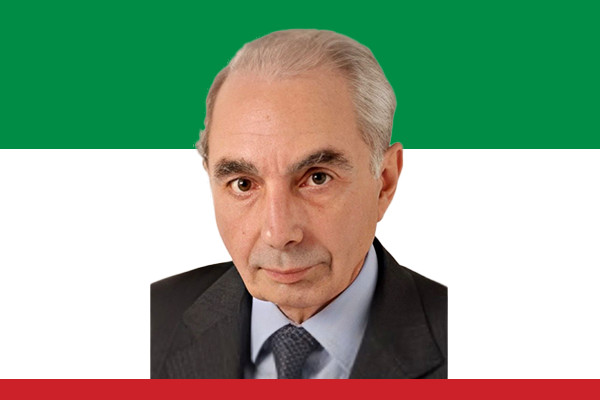
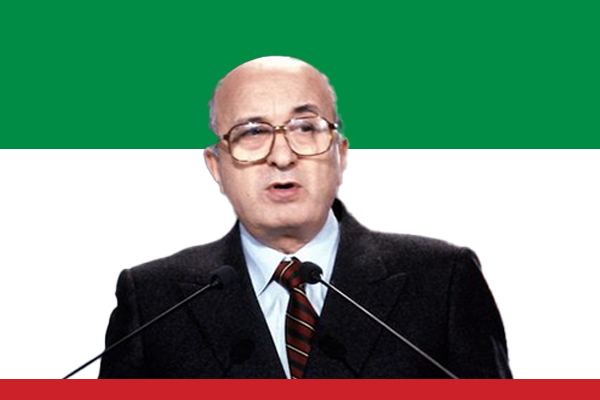
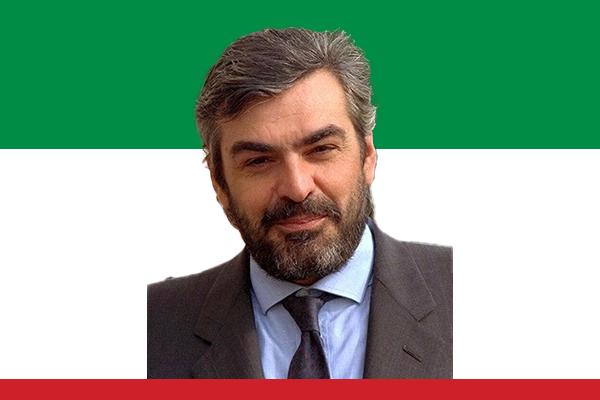
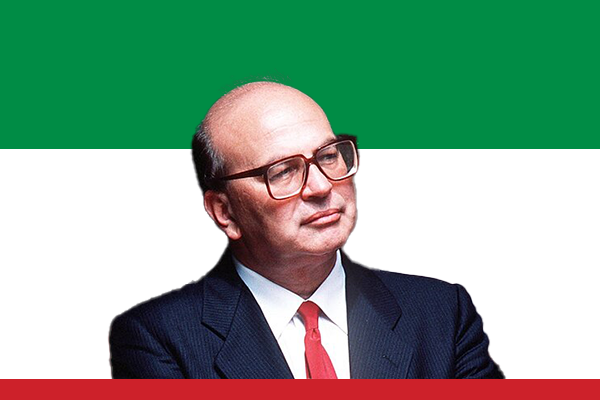
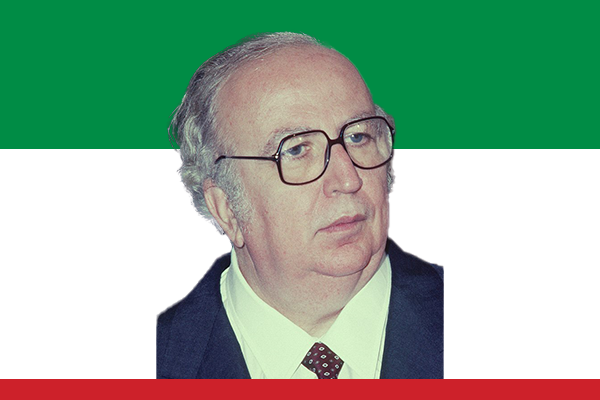
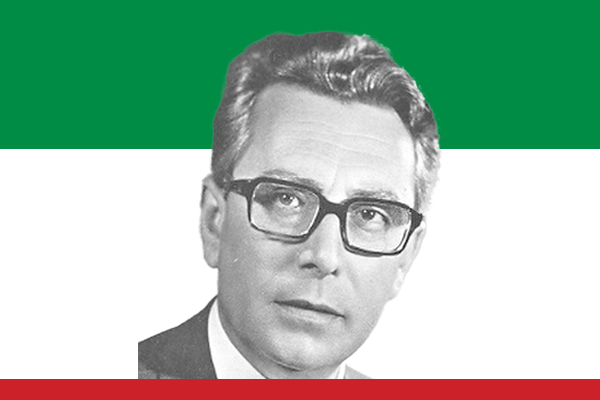
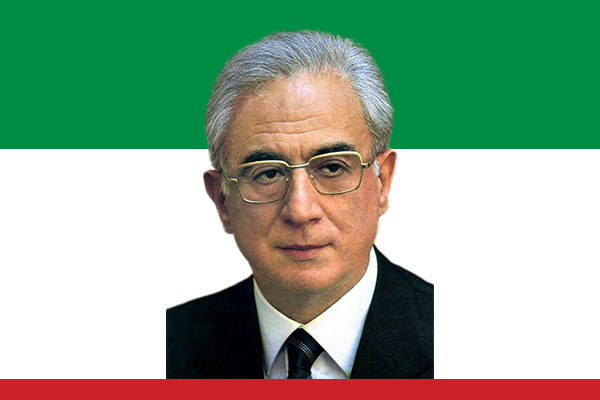

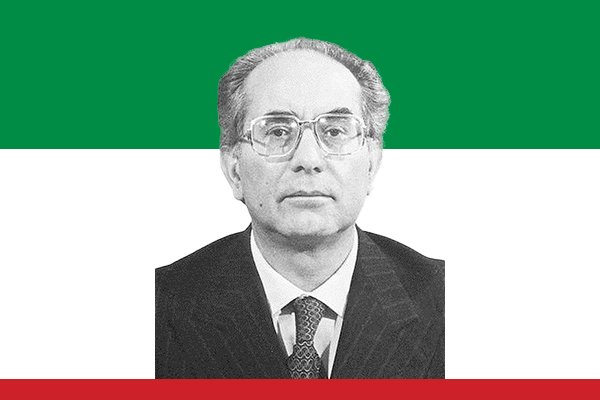
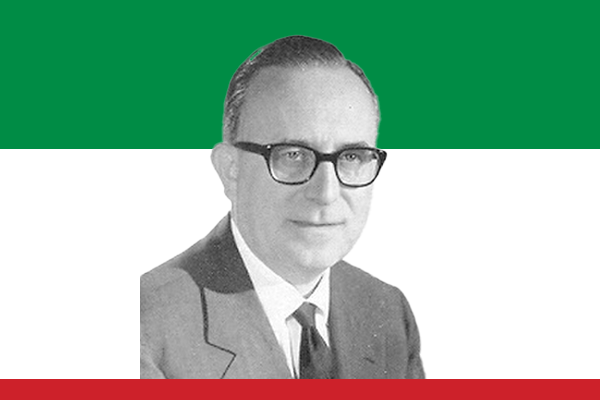
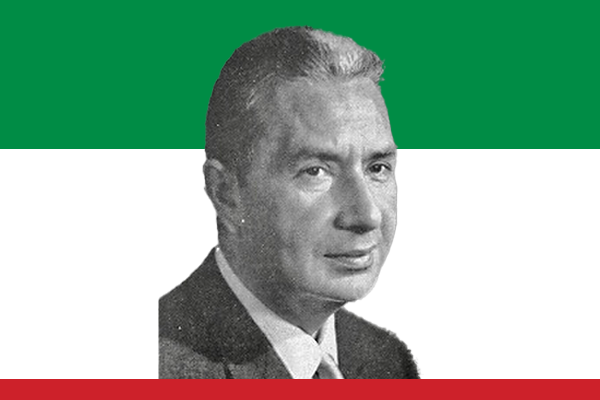
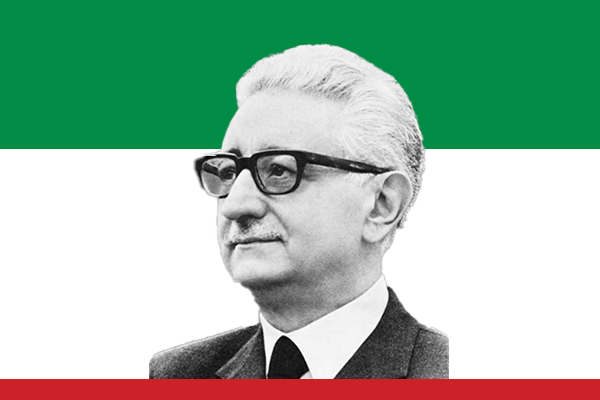
Early Prime Ministers
The first Prime Minister of the Italian Republic, Alcide De Gasperi, took office in 1946. He actively rebuilt Italy after World War II, laying the foundations for democracy and economic recovery. De Gasperi focused on political stability, European integration, and social welfare, setting a precedent for future leaders.
In the following decades, Italy saw numerous Prime Ministers, including Giovanni Leone and Amintore Fanfani, who actively contributed to Italy’s industrial growth and social reforms. These early leaders worked to strengthen democratic institutions while managing political coalitions in a multi-party system.
Notable Leaders
A prominent figure in Italian politics was Bettino Craxi, who served from 1983 to 1987. Craxi actively modernized the government, introduced economic reforms, and improved Italy’s international presence. His tenure reflected a focus on economic stability and modernization, although his career later faced controversies.
Silvio Berlusconi, one of Italy’s most influential Prime Ministers, served multiple terms between 1994 and 2011. Berlusconi actively shaped Italy’s media landscape, implemented economic policies, and engaged in international diplomacy. His leadership style generated both strong support and criticism, reflecting Italy’s vibrant and often contentious political environment.
Other notable leaders include Romano Prodi, who focused on European integration and economic reforms, and Mario Monti, who actively managed Italy’s economy during the Eurozone crisis. Each Prime Minister faced unique domestic and international challenges, demonstrating the complex nature of governing Italy.
Modern Era
In recent years, Italy’s Prime Ministers have navigated economic instability, migration issues, and global crises. Giuseppe Conte, Matteo Renzi, and Mario Draghi actively implemented policies to strengthen Italy’s economy, support innovation, and improve governance. Giorgia Meloni became Italy’s first female Prime Minister in 2022, actively leading with a focus on national sovereignty, economic growth, and social policies.
Legacy of Italian Prime Ministers
Italian Prime Ministers have consistently influenced both domestic policy and international relations. From post-war reconstruction to modern economic and political challenges, these leaders have shaped Italy’s identity as a republic. Through coalition-building, policy innovation, and public engagement, they continue to play a vital role in guiding the nation forward.
Italy’s Prime Ministers reflect the country’s resilience, diversity, and dynamic political culture, leaving lasting legacies that continue to shape the nation’s path in the 21st century.