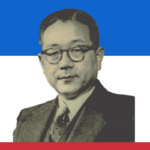
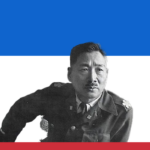
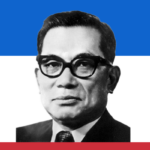
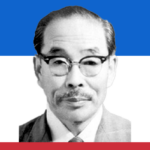
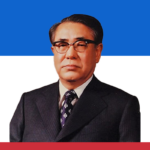
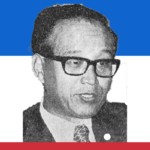
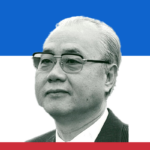
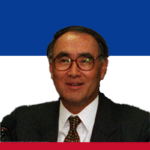
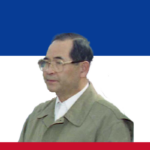
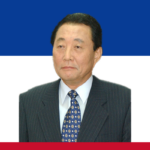
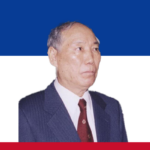
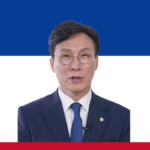
Prime Ministers of South Korea

South Korea, officially the Republic of Korea, has a political system that blends presidential and parliamentary elements. While the President serves as the head of state and government, the Prime Minister of South Korea acts as the principal executive assistant to the President and oversees the Cabinet. The role of the Prime Minister is crucial for coordinating government policies, supervising ministries, and managing administrative affairs. Unlike some parliamentary systems, the South Korean Prime Minister is appointed by the President and must be approved by the National Assembly.

LIST OF PRIME MINISTERS OF SOUTH KOREA

="timeline-item"
Lee Beom-seok

Lee Beom-seok (1900–1972) was the first Prime Minister of South Korea, serving from 1950 to 1952. A prominent independence activist against Japanese colonial rule, he played a vital role in the Korean liberation movement. After Korea’s liberation, he helped shape the newly formed Republic of Korea and navigated the country through the early years of the Korean War. Lee was also a military leader and nationalist politician, remembered for his dedication to Korea’s sovereignty and early government organization.

="timeline-item"
Shin Song-mo

Shin Song-mo (신성모) was a prominent South Korean politician and military officer who served as the Prime Minister of South Korea briefly in 1950. Born in 1891, he played a significant role in Korea’s early government formation after liberation from Japanese rule. Shin was influential in shaping defense and administrative policies during the tumultuous post-liberation period. Known for his dedication to national security and public service, he contributed to the stabilization of the South Korean government during the Korean War era before passing away in 1960.

="timeline-item"
Chang Myon

Chang Myon (1899–1966) was a prominent South Korean politician, diplomat, and educator. He served as the 2nd and 7th Prime Minister of South Korea and briefly as the Vice President. Known for his moderate and democratic stance, he played a key role in promoting parliamentary democracy during the Second Republic (1960–1961). Chang emphasized education, foreign diplomacy, and social reforms. His tenure was cut short by the military coup of 1961, but he remains remembered as a principled leader committed to democratic governance.

="timeline-item"
Chang Taek-sang

Chang Taek-sang (1893–1969) was a prominent South Korean politician and diplomat, serving as Prime Minister from 1956 to 1957. He played a key role in shaping South Korea’s early post-war government and foreign policy. Before his premiership, Chang held important positions in diplomacy, including Minister of Foreign Affairs. Known for his emphasis on strengthening international relations and government institutions, he contributed to stabilizing the fledgling South Korean state during a politically turbulent era.

="timeline-item"
Paik Too-chin

Paik Too-chin (also spelled Paik Du-jin) served as the Prime Minister of South Korea during two separate terms, from 1953 to 1954 and briefly in 1960. His tenure came at a critical time following the Korean War, focusing on post-war reconstruction, political stabilization, and economic recovery. Paik worked to strengthen government institutions and restore public confidence in leadership. Known for his pragmatic approach, he played an important role in laying the administrative and policy groundwork for South Korea’s future development.

="timeline-item"
Pyone Young Tae

Pyon Yong‑tae (also spelled Pyone Young‑Tae; December 15, 1892 – March 10, 1969) was an influential South Korean politician during the early years of the Republic of Korea. He served as the fifth Prime Minister of South Korea in 1954 under President Syngman Rhee, holding office from June 27 to November 28, 1954, before the position was temporarily abolished. During his career, Pyone also served as Minister of Foreign Affairs, where he played a key role in signing the Mutual Defense Treaty between the United States and South Korea in August 1953, a cornerstone of the countries’ post‑Korean War alliance. After his term as prime minister, he continued in government as Chief State Councilor and contributed to shaping South Korea’s early diplomatic and administrative foundations in the 1950s.

="timeline-item"
Ho Chong

Ho Chong (1915–1988) was a prominent South Korean politician and diplomat. He served as Acting Prime Minister in 1960 during a turbulent period following the April Revolution that ousted President Syngman Rhee. Known for his integrity and moderate leadership, Ho Chong played a stabilizing role in the transitional government. Earlier, he held various government positions and contributed to administrative reforms. His efforts helped South Korea navigate political uncertainty, laying the groundwork for future democratic developments and a more structured parliamentary process.

="timeline-item"
Kim Hyun-chul

Kim Hyun-chul was a South Korean politician who briefly served as Prime Minister of South Korea in 1987. He played a role during a transitional period in South Korean politics, marked by democratization and the shift from authoritarian rule toward greater political openness. Although his tenure was short, Kim Hyun-chul focused on administrative efficiency and governmental stability, contributing to ongoing reforms in the civil service. He is remembered as part of South Korea’s effort to strengthen democratic institutions during the late 20th century.

="timeline-item"
Choi Tu-son

Choi Tu-son was a prominent South Korean politician who briefly served as the Prime Minister of South Korea from 1952 to 1953 during the post-Korean War reconstruction period. He focused on stabilizing the government and rebuilding the nation’s war-torn economy. Choi emphasized administrative efficiency and coordination among ministries, playing a key role in laying the groundwork for South Korea’s early development. Although his tenure was short, his efforts contributed to political continuity and institutional strengthening in a challenging post-war environment.

="timeline-item"
Chung Il-kwon

Chung Il-kwon (1917–1994) was a prominent South Korean military officer and politician who served as Prime Minister from 1964 to 1970 under President Park Chung-hee. A decorated general during the Korean War, he played a key role in modernizing South Korea’s military and strengthening national defense. As Prime Minister, Chung focused on economic development, industrialization, and administrative reforms, supporting Park’s modernization policies. He later served as an ambassador to the United States, further contributing to South Korea’s international relations and diplomatic presence.

="timeline-item"
Kim Jong-pil

Kim Jong-pil (1926–2018) was a prominent South Korean politician and founder of the Korean Central Intelligence Agency (KCIA) in 1961. He played a key role in the 1961 military coup that brought Park Chung-hee to power and was instrumental in shaping South Korea’s modern security and intelligence systems. Serving twice as Prime Minister (1971–1975, 1998–2000), he influenced economic policy, political consolidation, and diplomatic relations. Known for his pragmatism, Kim left a lasting legacy in South Korea’s political and security landscape.

="timeline-item"
Choi Kyu-hah

Choi Kyu-hah (1919–2006) was a South Korean politician and diplomat who briefly served as the President of South Korea from 1979 to 1980, following the assassination of Park Chung-hee. Before his presidency, he served as Prime Minister from 1975 to 1979, playing a key role in government administration during a politically turbulent period. Known for his calm and conciliatory demeanor, Choi attempted to stabilize the nation amid protests and political unrest, but his presidency ended with the military coup led by Chun Doo-hwan.

="timeline-item"
Shin Hyun-hwak

Shin Hyun-hwak (1920–2007) served as the Prime Minister of South Korea from 1975 to 1979 during President Park Chung-hee’s administration. A career bureaucrat and politician, he was known for his administrative expertise and focus on government efficiency. Shin played a key role in implementing economic policies and modernization projects during a period of rapid industrial growth. Despite operating under an authoritarian regime, he earned recognition for his pragmatic approach to governance and efforts to stabilize government operations.

="timeline-item"
Nam Duck-woo

Nam Duck-woo (1924–2013) was a prominent South Korean economist and politician who served as Prime Minister from 1980 to 1982 under President Chun Doo-hwan. He played a key role in shaping South Korea’s economic policies during a period of rapid industrialization, focusing on export-driven growth, fiscal stability, and modernization of industries. Prior to his premiership, Nam held positions in economic planning and finance, helping to lay the foundation for South Korea’s transformation into a high-growth economy.

="timeline-item"
Yoo Chang-soon

Yoo Chang-soon served as the Prime Minister of South Korea for a brief period in 1982 under President Chun Doo-hwan. His tenure was short but notable for his administrative experience and focus on economic management during a period of rapid industrial growth in South Korea. Yoo, a career bureaucrat, emphasized efficiency in government operations and coordination among ministries. Despite the brevity of his term, he contributed to stabilizing domestic policies and supporting the government’s broader modernization and development initiatives.

="timeline-item"
Kim Sang-hyup

Kim Sang-hyup served as the Prime Minister of South Korea from 1982 to 1983 during a period of political stability under President Chun Doo-hwan. His tenure, though brief, focused on administrative continuity, economic oversight, and the implementation of ongoing government policies. Known for his technocratic approach, Kim emphasized efficiency within the executive branch, ensuring that ministries operated smoothly. While not a transformative figure, his leadership helped maintain government operations during a transitional phase in South Korea’s modernization.

="timeline-item"
Chin Iee-chong

Chin Iee-chong served as the Prime Minister of South Korea from December 1983 to February 1985 under President Chun Doo-hwan. His tenure occurred during a period of political consolidation following the military regime. Chin focused on administrative efficiency, economic planning, and maintaining political stability amid social unrest. While not as internationally prominent as some predecessors, he played a key role in implementing government policies and supporting the modernization of South Korea’s bureaucracy. His leadership contributed to continuity in governance during a transitional era.

="timeline-item"
Kim Chung-yul

Kim Chung-yul was a prominent South Korean politician and diplomat who served as Prime Minister of South Korea from 1987 to 1988. Born in 1924, he had a distinguished career in public service, contributing to both domestic administration and international relations. Kim played a key role in stabilizing the government during a politically sensitive period, overseeing policy coordination and reforms. His tenure was marked by efforts to strengthen South Korea’s democratic institutions and promote economic development, leaving a lasting impact on the nation’s governance.

="timeline-item"
Lee Hyun Jae

Lee Hyun-jae (born 1929) served as the Prime Minister of South Korea from 1980 to 1982 under President Chun Doo-hwan. A trained engineer and academic, Lee played a key role in South Korea’s industrial and economic development policies during his tenure. He focused on administrative efficiency and modernization of government operations, helping to stabilize the newly established military-backed administration. After leaving office, Lee continued contributing to public service and education, emphasizing infrastructure development and technological advancement in the country.

="timeline-item"
Kang Young-Hoon

Kang Young-Hoon (1922–2016) served as the Prime Minister of South Korea from 1988 to 1990 under President Roh Tae-woo. A career diplomat and politician, Kang played a key role in South Korea’s transition to a more democratic system after decades of military rule. He focused on foreign affairs, economic policy, and government modernization, emphasizing stability during a politically sensitive period. Kang’s tenure is remembered for strengthening South Korea’s diplomatic relations and contributing to domestic reforms that supported the country’s democratic consolidation.

="timeline-item"
Ro Jai-bong

Ro Jai-bong was a South Korean politician who briefly served as the Prime Minister of South Korea from December 1990 to May 1991. Born in 1936, he played a significant role in South Korea’s political scene during a period of transition toward democratization. Before becoming Prime Minister, Ro held various governmental and advisory positions, contributing to policy planning and administrative reforms. Although his term was short, he is remembered for efforts to stabilize the government and support economic development initiatives.

="timeline-item"
Chung Won-shik

Chung Won-shik (1928–2020) served as the Prime Minister of South Korea from 1991 to 1992 during the presidency of Roh Tae-woo. A respected educator and politician, he had previously held key posts, including Minister of Education and member of the National Assembly. His tenure as Prime Minister focused on administrative reforms, economic stabilization, and preparing the government for South Korea’s democratic transition. Known for his integrity and dedication, Chung played a pivotal role in modernizing the civil service and strengthening institutional governance during a critical period in South Korean politics.

="timeline-item"
Hyun Soong-jong

Hyun Soong-jong (1919–2020) was a South Korean politician and educator who served as the Prime Minister of South Korea from 1992 to 1993 under President Roh Tae-woo. Before his premiership, Hyun had a distinguished academic career, including serving as a professor and university administrator. During his tenure, he focused on administrative reforms, promoting education, and improving government efficiency. Known for his integrity and scholarly approach to governance, Hyun Soong-jong played a stabilizing role in South Korea’s political transition in the early 1990s.

="timeline-item"
Hwang In-sung

Hwang In-sung served as the Prime Minister of South Korea from 1980 to 1982 during the presidency of Chun Doo-hwan. His tenure occurred in a period of political consolidation following the military coup and the establishment of the Fifth Republic. Hwang focused on administrative efficiency, economic planning, and strengthening government institutions. Although his role was largely supportive of the President’s policies, he was instrumental in coordinating the Cabinet and implementing reforms aimed at stabilizing South Korea’s economy and governance during a transitional era.

="timeline-item"
Lee Hoi-chang

Lee Hoi-chang (born January 2, 1935) is a South Korean politician and jurist, best known for serving as the Prime Minister of South Korea from 1993 to 1994 under President Kim Young-sam. A former Supreme Court judge, he gained prominence for his conservative views and efforts to reform the judiciary. Lee later ran multiple times for the presidency as the candidate of the Grand National Party, emphasizing anti-corruption, rule of law, and economic development. He remains an influential figure in South Korean politics.

="timeline-item"
Lee Hong-koo

Lee Hong-koo (born 1934) is a South Korean politician and diplomat who served as the Prime Minister of South Korea from 1994 to 1995 under President Kim Young-sam. A seasoned academic and former diplomat, Lee played a key role in promoting South Korea’s international relations and democratic consolidation during the post-Cold War era. He is also known for his work in economic policy, foreign affairs, and strengthening government transparency, earning respect as a moderate and reform-minded leader in South Korea’s modern political history.

="timeline-item"
Lee Soo-sung

Lee Soo-sung (born 1939) served as the Prime Minister of South Korea from 1995 to 1997 under President Kim Young-sam. A distinguished legal scholar and professor, Lee was known for his expertise in law and public administration. During his tenure, he focused on government reform, anti-corruption measures, and strengthening administrative efficiency. He also played a role in stabilizing South Korea’s economy during a period of financial challenges. Lee’s leadership was marked by integrity and a commitment to modernization.

="timeline-item"
Goh Kun

Goh Kun is a respected South Korean politician who served twice as Prime Minister of South Korea, first from 1997 to 1998 and again from 2003 to 2004. Known for his calm leadership and administrative skills, he played an important role during times of political and economic difficulty. He also served as Acting President in 2004 after President Roh Moo-hyun was impeached temporarily. Goh Kun earned a reputation as a stable, experienced leader who contributed significantly to South Korea’s governance and democratic development.

="timeline-item"
Lee Han-dong

Lee Han-dong was the Prime Minister of South Korea from 2000 to 2002 under President Kim Dae-jung. A veteran politician and lawyer, he played an important role in supporting government reforms and maintaining political stability during a period of economic recovery. Lee focused on administrative efficiency, national development, and cooperation between government institutions. He was known for his calm leadership style and experience in public service. His tenure contributed to strengthening South Korea’s democratic governance and policy coordination in the early 21st century.

="timeline-item"
Kim Suk-soo

Kim Suk-soo was the Prime Minister of South Korea from October 2002 to February 2003 under President Kim Dae-jung. A respected judge and legal expert, he was appointed during a politically sensitive period to provide stability and administrative continuity. Before becoming Prime Minister, Kim Suk-soo served as the Minister of Justice and held important positions in the judiciary. His short tenure focused on supporting government operations and maintaining order during the transition before the next presidential administration took office. He is remembered as a calm, experienced, and reliable public servant.

="timeline-item"
Lee Hae-chan

Lee Hae-chan is a South Korean politician who served as Prime Minister of South Korea from 2004 to 2006 under President Roh Moo-hyun. Born on July 10, 1952, he is a prominent member of the liberal political camp and has also held important roles in the National Assembly. Lee is known for his work in education reform and democratic politics. During his tenure as prime minister, he focused on government administration, social policies, and supporting the president’s reform agenda.

="timeline-item"
Han Myeong-sook

Han Myeong-sook was the first woman to serve as Prime Minister of South Korea, holding office from 2006 to 2007. She was appointed by President Roh Moo-hyun and became a symbol of progress for women in Korean politics. Before becoming Prime Minister, she worked as Minister of Environment and Minister of Gender Equality. Han is also known for her long career as a democracy activist and lawmaker. Her leadership focused on social reform, equality, and strengthening South Korea’s democratic values.

="timeline-item"
Han Duck-soo

Han Duck-soo is a South Korean politician and diplomat who has served as the Prime Minister of South Korea multiple times, most recently since 2022. Known for his strong background in economics and international trade, he has also held important positions such as Minister of Finance and Ambassador to the United States. Han is respected for his administrative experience and calm leadership style. Throughout his career, he has played a major role in shaping South Korea’s economic policies and global relations.

="timeline-item"
Han Seung-soo

Han Seung-soo was the Prime Minister of South Korea from 2008 to 2009 under President Lee Myung-bak. He was an experienced diplomat and politician known for his work in foreign affairs and economic policy. Before becoming Prime Minister, he served as South Korea’s Foreign Minister and also held important positions at the United Nations. During his tenure, Han focused on economic stability, global cooperation, and strengthening South Korea’s international image. He was respected for his diplomatic skills and his contribution to both domestic governance and international relations.

="timeline-item"
Chung Un-chan

Chung Un-chan was the Prime Minister of South Korea from 2009 to 2010 under President Lee Myung-bak. A respected economist and former president of Seoul National University, he was known for his academic background and moderate political views. During his tenure, Chung focused on economic development and national policy reforms. He is especially remembered for supporting the controversial plan to revise the Sejong City development project. Although his time in office was short, he played an important role in South Korea’s political and economic discussions.

="timeline-item"
Kim Hwang-sik

Kim Hwang-sik served as the Prime Minister of South Korea from 2010 to 2013 under President Lee Myung-bak. Born on August 9, 1948, he was known for his legal background and his work as the Chairman of the Board of Audit and Inspection before becoming Prime Minister. During his tenure, Kim focused on government transparency, administrative reforms, and economic stability. He played an important role in coordinating national policies and strengthening public trust in government institutions in South Korea.

="timeline-item"
Jung Hong-won

Jung Hong-won served as the Prime Minister of South Korea from 2013 to 2015 under President Park Geun-hye. Born on October 9, 1944, he is a former prosecutor and legal expert known for his disciplined and administrative background. During his tenure, he focused on government reforms, public safety, and national administration. He gained attention during the Sewol ferry disaster in 2014, after which he offered to resign, taking moral responsibility. Jung is remembered as a calm and experienced political leader in South Korea’s modern history.

="timeline-item"
Hwang Kyo-ahn

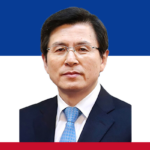
Hwang Kyo-ahn is a South Korean politician and former Prime Minister of South Korea. He served as Prime Minister from 2015 to 2017 under President Park Geun-hye. After Park’s impeachment, he became Acting President from 2016 to 2017, leading the country during a politically sensitive period. Before entering top leadership, he was known for his work as Minister of Justice. Hwang is recognized for his conservative political views and played an important role in maintaining government stability during a national crisis.

="timeline-item"
Lee Nak-yon

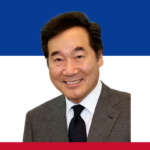
Lee Nak-yon is a South Korean politician who served as the Prime Minister of South Korea from 2017 to 2020 under President Moon Jae-in. Known for his calm leadership and strong communication skills, he played an important role in managing government affairs and supporting domestic reforms. Before becoming Prime Minister, he served as the governor of South Jeolla Province and was also a member of the National Assembly. Lee Nak-yon is respected for his experience, diplomacy, and contributions to South Korea’s modern political development.

="timeline-item"
Chung Sye-kyun

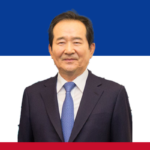
Chung Sye-kyun is a South Korean politician who served as the Prime Minister of South Korea from 2020 to 2021 under President Moon Jae-in. He is known for his calm leadership during the COVID-19 pandemic and for supporting economic stability. Before becoming Prime Minister, he served as Speaker of the National Assembly and held several important government positions. Chung has long been respected for his experience, balanced political style, and contributions to South Korea’s democratic governance and public administration.

="timeline-item"
Kim Boo-kyum

Kim Boo-kyum is a South Korean politician who served as the Prime Minister of South Korea from 2021 to 2022 under President Moon Jae-in. Known for his moderate and reform-minded approach, he focused on promoting national unity, social stability, and effective governance during a challenging period marked by the COVID-19 pandemic. Before becoming Prime Minister, Kim held several important political roles, including Minister of the Interior and Safety. He is respected for his efforts to bridge regional and political divides in South Korea.

="timeline-item"
Kim Min-seok

Kim Min-seok is a South Korean politician who has served in important public roles and is known for his active involvement in national politics. He has been associated with the Democratic Party and has contributed to policy discussions on governance, social welfare, and public administration. Kim Min-seok is recognized for his leadership skills, political experience, and commitment to public service. Over the years, he has built a reputation as an influential figure in South Korea’s political landscape, representing the interests of citizens and supporting democratic development.

List of Prime Ministers of South Korea

Lee Beom-seok (1950–1952) – The first Prime Minister after the Korean War outbreak, he was a nationalist and independence activist.

Chang Myon (1950–1952, 1960–1961) – Known as a diplomat and educator, Chang played a significant role in South Korea’s early political development.

Baek Du-jin (1952–1953) – Focused on post-war reconstruction and economic stabilization.

Paik Too-chin (1953–1954, 1960) – Served during a period of rapid political consolidation under President Syngman Rhee.

Heo Jeong (1954–1956) – Oversaw efforts to strengthen democratic institutions.

Chang Taek-sang (1956–1957) – A former foreign minister, he emphasized diplomatic relations and international partnerships.

Jang Myung-ho (1957–1960) – Focused on social policies and economic development.

Kim Jong-pil (1971–1975, 1998–2000) – Founder of the Korean Central Intelligence Agency, he was influential in both security and economic reforms.

Shin Hyun-hwak (1975–1979) – Known for administrative reforms and stabilizing government operations.

Nam Duck-woo (1980–1982) – Focused on economic planning and modernization during the Chun Doo-hwan era.

Kim Sang-hyup (1982–1983) – Short tenure marked by political continuity and policy implementation.

Lee Han-key (1983–1985) – Oversaw industrial development initiatives.

Chung Won-shik (1991–1992) – Played a significant role in preparing for democratic transition and economic restructuring.

Goh Kun (1997–1998, 2003–2004) – Known for crisis management and long-term policy planning; one of the most respected South Korean Prime Ministers.

Han Duck-soo (2007–2008, 2022–present) – Focuses on economic policy, international relations, and domestic governance efficiency.

Kim Boo-kyum (2021–2022) – Advocated for social equity and administrative reforms during his tenure.

The office of the Prime Minister continues to evolve in South Korea’s democratic system, balancing support for the President with oversight of governmental operations. Over time, South Korean Prime Ministers have played pivotal roles in economic modernization, democratic consolidation, and international diplomacy.
Back to top of page